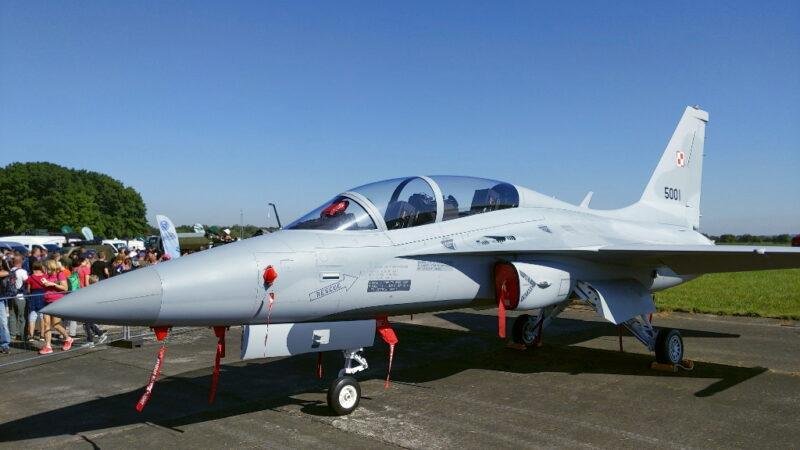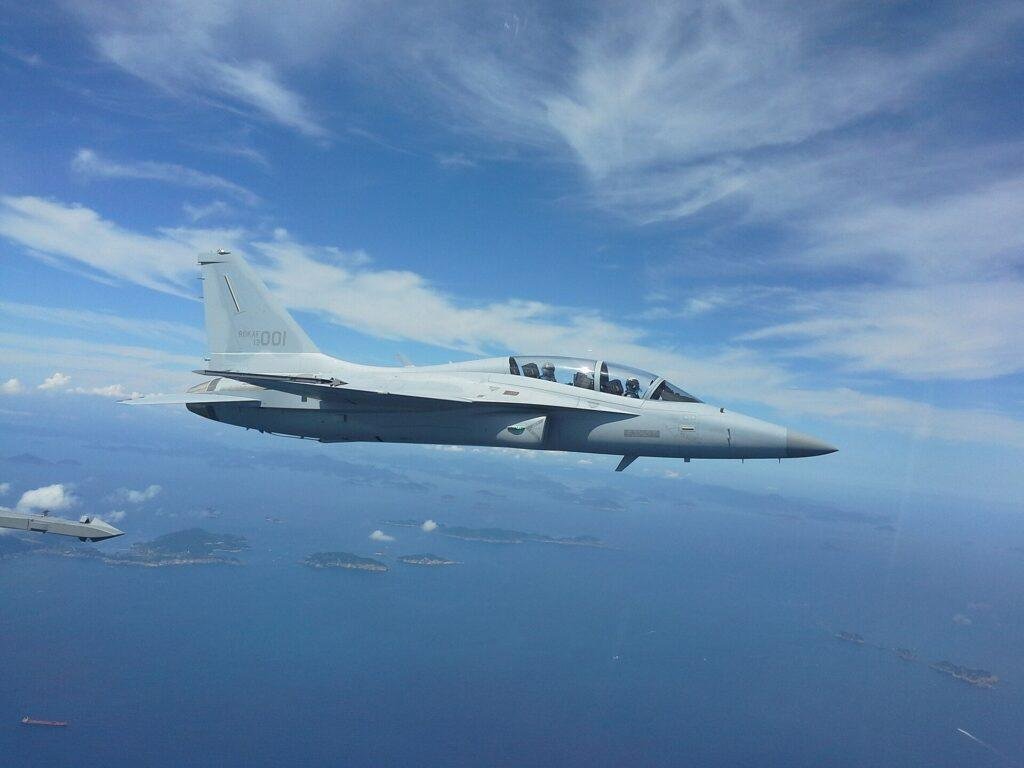
FA-50 drone formation testing achieved a new milestone in South Korea when Korea Aerospace Industries said one of its FA-50 light combat aircraft flew alongside an AAP uncrewed aircraft on October 8, 2026. The company announced the result on October 12.
The pair maintained a reported separation of approximately 9 to 30 meters during a 20-minute flight over waters south of Goheung. KAI said the demonstration took place at about 7,000 feet and at a speed near 360 kilometers per hour.
The test is an early but concrete step toward piloted-uncrewed teaming. It should not be confused with a demonstration that an FA-50 pilot already commanded a group of armed autonomous drones in a live operational mission.
Table of Contents
FA-50 Drone Formation Test Lasted 20 Minutes
KAI reported that the aircraft held position between 30 and 100 feet apart during the flight, equivalent to roughly 9–30 meters. Maintaining an intended separation over time is an important prerequisite for more complex cooperative operations.
The aircraft flew at approximately 360 kilometers per hour at an altitude of around 7,000 feet, according to the company details carried by South Korea’s Yonhap News Agency. Those figures describe a single reported demonstration rather than the full performance envelope of either vehicle.
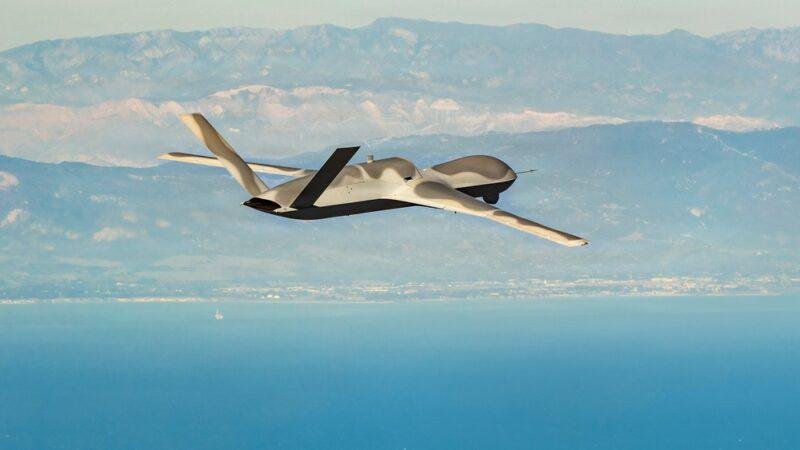
The FA-50 is a piloted light combat aircraft, while the AAP is a smaller jet-powered uncrewed platform being developed by KAI. A formation demonstration allows developers to assess handling, stability, navigation and coordination challenges before tackling broader operational objectives.
The company described the October 8 test as a first successful domestic flight of a crewed and uncrewed aircraft in formation. Independent test telemetry was not included in the public reports.
AAP Drone Program Targets Future Cooperative Missions
Yonhap reports that KAI began privately funded AAP development in 2024. The aircraft is approximately 3.1 meters long, has a wingspan around 2.2 meters and weighs about 150 kilograms.
KAI describes the AAP as a jet-powered high-speed uncrewed aircraft with a reported maximum speed of around 790 kilometers per hour. Its 360-kilometer-per-hour formation-test speed was lower because the demonstration prioritized controllability and operating feasibility.
The company is advancing its KAiLOT AI-pilot concept as part of the longer-term autonomy effort. Future roles envisaged for uncrewed teammates include reconnaissance, electronic warfare, deception and strike support.
Those roles are development ambitions. The October demonstration established formation-flight behavior, not completed flight tests of each payload, autonomous mission or electronic attack capability.
Next Tests Could Put the FA-50 in a Control Role
KAI says it intends to use the test data to develop more advanced multi-aircraft formations and explore controlling the AAP mission from the FA-50 cockpit. That would move the program beyond simply flying two aircraft near one another.
Future piloted-uncrewed systems must also account for command links, deconfliction, sensor-sharing and rules governing human supervision. Those subjects make formation trials relevant even when an early test has limited mission objectives.
For countries interested in affordable fighter capacity, pairing existing piloted aircraft with expendable or lower-cost uncrewed teammates could eventually expand available mission options. The economics and operational value remain dependent on demonstrable reliability and interoperability.
KAI has not publicly established the timing of an operational service entry for the AAP in the sources reviewed. The October flight should be understood as research and development progress rather than a fielded capability.
FAQ: FA-50 drone formation
When did the FA-50 drone formation flight occur?
KAI says the flight took place on October 8, 2026, and it announced the result on October 12.
How far apart were the two aircraft?
KAI reported that the FA-50 and AAP stayed about 9–30 meters, or 30–100 feet, apart during 20 minutes of formation flight.
Did the FA-50 control an armed AAP drone?
The publicly reported test demonstrated formation flying; cockpit mission control and broader autonomous combat roles are planned future capabilities.
Looking Ahead
Next steps include additional speed and separation testing, autonomous flight-system refinements and a future demonstration of FA-50-based mission control. TAD will distinguish each tested capability from the company’s longer-term objectives as results become public.
Sources
- Yonhap News Agency — KAI FA-50 and AAP formation flight (October 12, 2026)
- Aju Press — KAI crewed-uncrewed formation flight (October 12, 2026)
- CHOSUNBIZ — FA-50 and AAP formation flight (October 12, 2026)