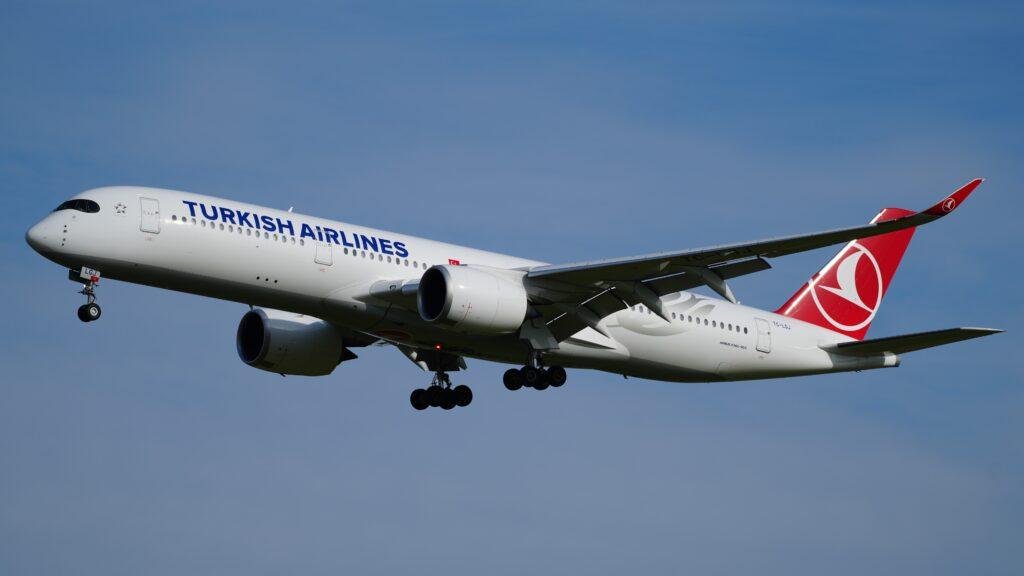
Turkish CFM agreement plans call for the acquisition of more than 300 jet engines and the provision of maintenance services covering over 600 engines, according to an Oct. 16 announcement reported by Anadolu Agency. The airline and CFM International signed a memorandum of understanding connected with Boeing 737 MAX aircraft and future maintenance capabilities in Türkiye.
The distinction between a memorandum and a firm, fully priced purchase contract is essential. The companies outlined an intended engine and support framework, but the news should not be described as hundreds of engines already delivered or a completed cash transaction. The published account also includes support for an engine-maintenance facility.
The proposed new engines, including spares, would power as many as 150 Boeing 737 MAX aircraft associated with an aircraft order announced in September. That earlier Boeing arrangement included firm aircraft commitments and options, which should not be described as a single undifferentiated block of guaranteed aircraft deliveries.
Table of Contents
Turkish CFM Agreement Sets Out Engine Supply Framework
CFM’s LEAP-1B is the engine family used on the Boeing 737 MAX. An airline ordering additional MAX aircraft must also arrange propulsion, spare engines, technical support and long-term maintenance planning. The October memorandum addresses several of those related requirements, rather than only an initial engine purchase.
Anadolu reported that the plan covers more than 300 new engines including spares. Because a twin-engine aircraft uses two installed engines, an engine count cannot be directly equated with an aircraft count, particularly when spare units are included. Readers should not divide the engine number by two and treat the result as a definitive delivery figure.
The framework also encompasses service for engines associated with Turkish Airlines and its subsidiary AJet. The report says this broader fleet includes previously ordered or delivered engines, leased-aircraft engines, spares and potential options. The maintenance-service total therefore differs from the count of new engines under discussion.
The Anadolu report provides the October announcement and company statements. Final commercial terms, implementation dates and separately executed agreements would need confirmation if they are later disclosed.
Engine Maintenance Facility Is Part of the Plan
The memorandum reportedly includes material services supporting the establishment of an engine maintenance, repair and overhaul facility in Türkiye. Building local support capacity can be valuable to airlines managing large fleets, although the announcement itself does not prove a new facility is already operational.
Aircraft engines require specialized inspections, repairs and component management throughout their service lives. Some work is performed on wing, while larger shop visits require equipment, approved processes, parts inventories and skilled technicians. A proposed support arrangement is therefore more complex than a single purchase order.
Turkish Airlines and AJet could benefit from common engine support arrangements as their 737 MAX operations develop. The potential efficiencies described in the announcement are objectives, not audited operating results. No publicly verified reduction in maintenance cost or turnaround time was established by the framework signing.
For other aircraft supply and maintenance developments, see The Aviation Diary’s commercial aviation coverage.
Separating Memoranda, Orders and Deliveries
The agreement was described as a memorandum of understanding, signaling planned cooperation and outlining the scope of a future commercial relationship. The legal and commercial status of individual engine orders should not be overstated without access to definitive contracts or purchase disclosures.
The Boeing aircraft order referenced in the report includes 100 firm aircraft and 50 options. These figures describe aircraft commitments and possible additions, while the more-than-300 engine number includes spare powerplants. They are related but different measures.
The announcement also does not say when all engines will be delivered, where each maintenance task will occur or when a new MRO facility would open. Those unresolved points matter for assessing how quickly the arrangement could change the airline’s day-to-day operations.
FAQ: Turkish CFM Agreement
How many engines does the Turkish CFM agreement discuss?
The reported memorandum covers more than 300 new engines, including spares, plus long-term support for a larger engine population.
Which aircraft use the planned LEAP-1B engines?
The Boeing 737 MAX aircraft connected with Turkish Airlines’ previously announced fleet plan are the intended aircraft family.
Is the engine maintenance facility already open?
The memorandum addresses support for establishing a facility; the October report does not establish that it has begun operating.
Looking Ahead
The next substantive milestones would be definitive engine purchase and service contracts, implementation schedules and any confirmed progress on the proposed maintenance facility. The public framework announcement did not provide fixed dates for those outcomes.
Sources