An Estonia drone alert on November 21 prompted Turkish Air Force aircraft assigned to NATO to go airborne, Estonian public broadcaster ERR reported, citing the Estonian Defense Forces. Authorities later lifted the warning in Lääne-Viru and Ida-Viru counties.
The publicly confirmed events are the warning, the response by allied aircraft and the all-clear. In its account of the incident, ERR did not establish whether a drone crossed into Estonia. That distinction matters for readers trying to understand how a precautionary alert relates to a confirmed airspace violation.
Table of Contents
What prompted the Estonia drone alert
ERR reported that Estonia issued a warning early Saturday through its public alert system, EE-ALARM. The warning told people in the two northeastern counties about a possible aerial threat. Authorities later said the threat had passed, and the broadcaster updated its coverage after the warning was lifted.
The two notifications describe the authorities’ assessment at different points in the morning. The initial warning shows that officials considered the possibility serious enough to inform residents. The all-clear shows that they subsequently ended the warning. Neither message, as reported by ERR, identifies an aircraft or establishes where a suspected drone came from.
What Estonia confirmed about the NATO response
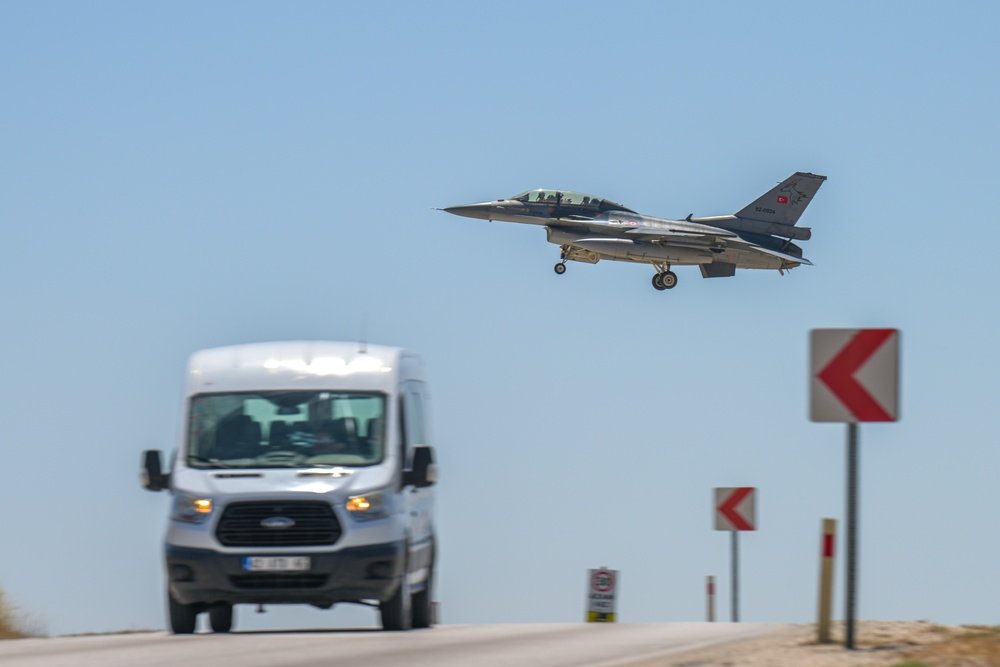
The Estonian Defense Forces told ERR that Turkish Air Force aircraft had gone airborne in response. That provides an attributed confirmation of allied involvement. The public account does not identify the aircraft type or the squadron. The response was reported before authorities issued their all-clear later that morning.
An air policing response can bring aircraft into the air while authorities are still assessing what triggered an alert. A report that aircraft went airborne leaves several separate questions open, including whether a crew acquired a target and whether authorities can confirm an airspace crossing. ERR’s account provides no evidence that the aircraft engaged a target.
The public alert and military response served different purposes
The public warning relayed an assessment to people on the ground. The aircraft response involved a NATO ally, according to the defense forces’ statement to ERR. The two actions can happen during the same incident while serving different audiences. One gives residents official information about a possible threat, and the other gives authorities the ability to respond in the air.
For Estonia, the follow-up question is whether officials can confirm anything about the suspected aircraft once they have reviewed the incident. ERR also reported on precautionary measures in nearby Finland. Its reporting did not establish a connection between a particular object and the response in Estonia. Treating those reports separately preserves what each government’s public account actually supports.
FAQ: Estonia drone alert
Where was the Estonia drone alert issued?
Estonian public broadcaster ERR reported that the warning applied to Lääne-Viru and Ida-Viru counties in northeastern Estonia.
Which allied aircraft responded?
Estonia’s defense forces told ERR that Turkish Air Force aircraft went airborne in response. The broadcaster’s account did not identify the aircraft model.
Did Estonia confirm a drone entered its airspace?
The report described a possible drone threat and a later all-clear. It did not establish that a drone entered Estonian airspace.
Looking Ahead
A subsequent statement from the Estonian Defense Forces could clarify whether an aircraft crossed the border. The public record reviewed for this article confirms the alert and the allied response.
Sources
- ERR report citing the Estonian Defense Forces
- Featured image — U.S. Air Force / Airman 1st Class Zachary Jakel (U.S. public domain).
- Featured image reuse terms
Related profiles