Frank Kendall security clearance access is officially gone. The Department of War revoked the former Air Force Secretary’s eligibility for classified information Friday, cutting off his access and barring him from holding any position requiring it. The move, announced by Pentagon chief spokesman Sean Parnell, follows weeks of reporting on the capabilities of President Trump’s Qatari-gifted Air Force One — reporting in which Kendall was a frequently quoted source.
Kendall, who led the Air Force from 2021 to 2025 under the Biden administration, told the Associated Press he was “completely mystified” by the decision and denied disclosing anything classified.
Table of Contents
What the Department of War Announced
Parnell posted the announcement on X Friday, stating that the Department of War had revoked Kendall’s eligibility for access to classified information and his ability to hold any sensitive position, effective immediately. The department said the action followed an unauthorized disclosure of classified information regarding Air Force One’s capabilities to a media outlet.
Parnell did not name the outlet or specify what information was allegedly disclosed, nor did he say whether Kendall is being referred for prosecution.
“Safeguarding classified information is a non-negotiable duty. Those who violate that trust forfeit the privilege of access and any role requiring it.”
The Air Force One Dispute Behind the Revocation
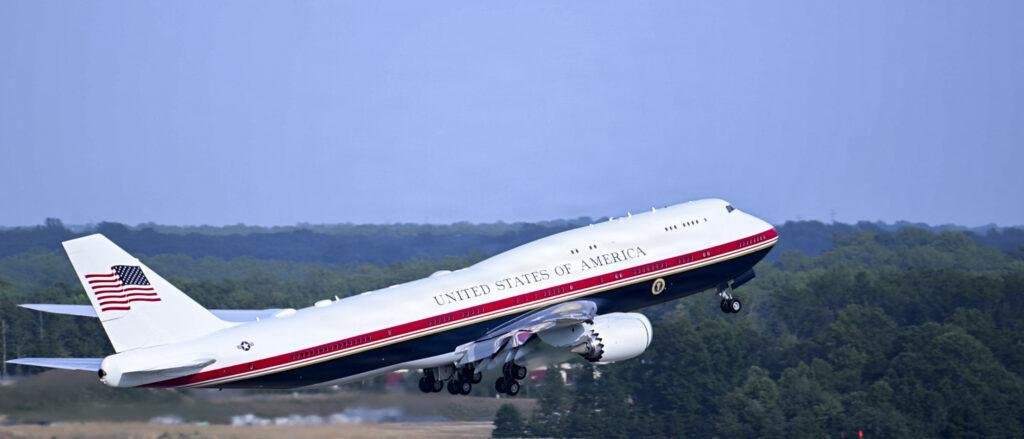
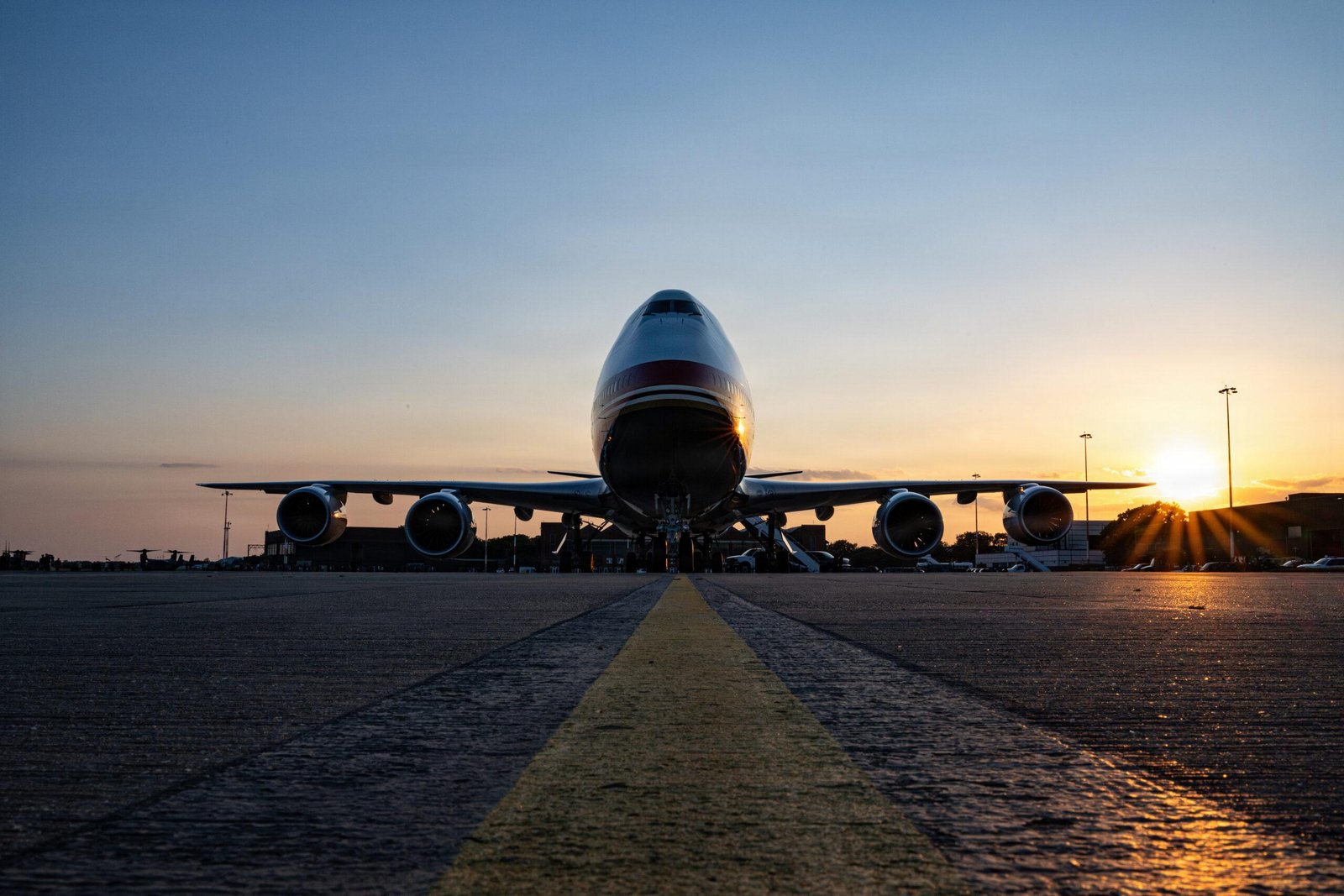
The revocation follows several weeks of reporting, including a Wall Street Journal report and earlier coverage from the New York Times, comparing the capabilities of the Qatari-donated Boeing 747-8 — now serving as a bridge Air Force One — against the older VC-25A jets it is temporarily replacing. Kendall was among the former officials quoted in that coverage.
The reporting described differences between the two aircraft, including that the newer jet reportedly lacks midair refueling capability and hardening against a nuclear blast — features available on the older presidential fleet. Coverage also noted differences in defensive systems, door width, air stairs, baggage handling, and onboard communications equipment.
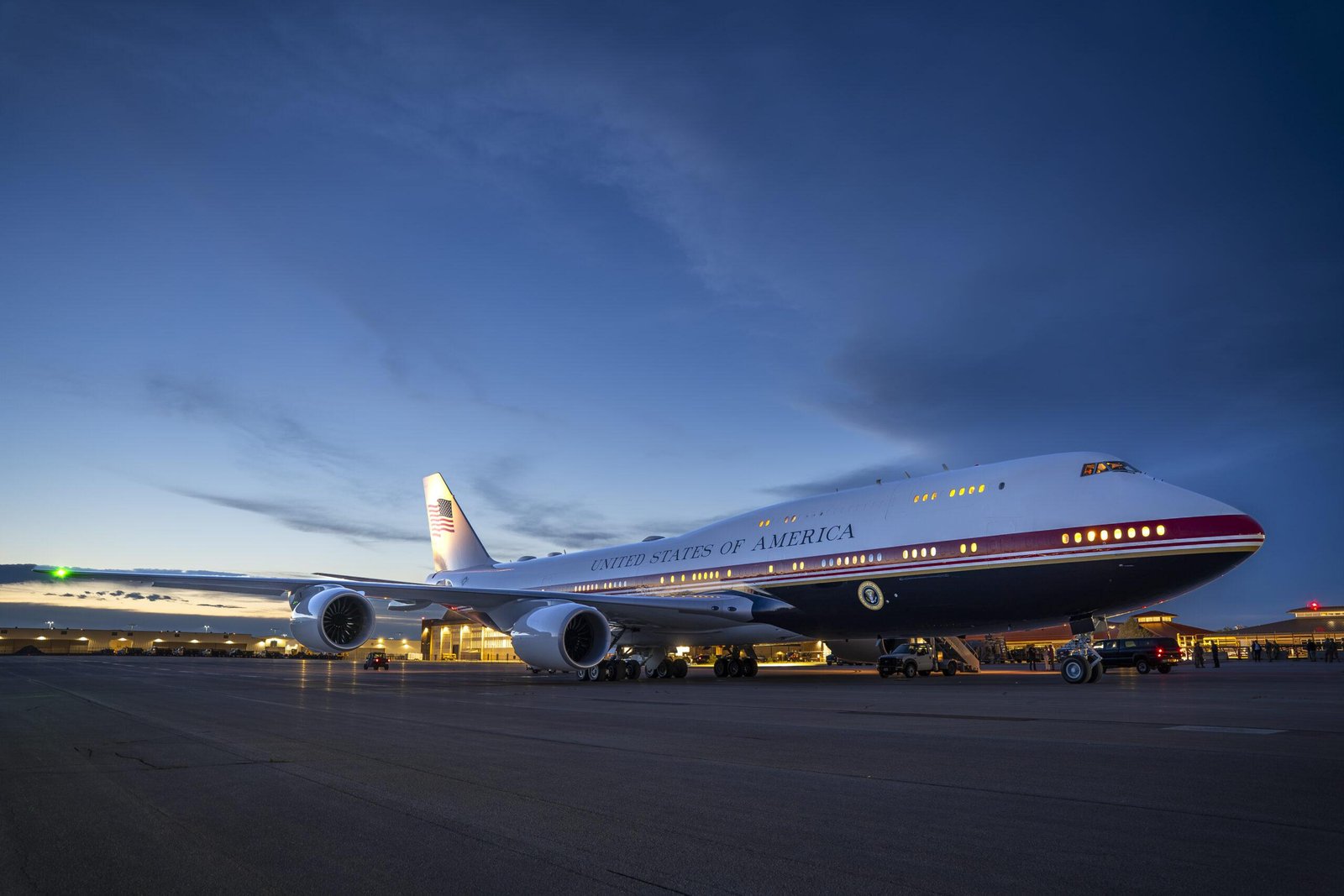
The Air Force has acknowledged some of these differences but maintains that the aircraft’s rapid conversion was completed without accepting risk to security, safety, or secure communications.
- In a CNN interview, Kendall said the aircraft would likely need three to four years of modifications to match the security standards of the older presidential jets
- In a later NPR interview, he questioned whether meaningful hardware changes could be completed in a one-month refit window, though he noted software updates could be made more easily
- The Air Force has said modifications cost less than $400 million and were intended to “relieve pressure” on the aging VC-25A fleet
Kendall Pushes Back
Kendall told the Associated Press late Friday that he was “completely mystified” by the revocation, maintaining he had been careful never to discuss classified specifics.
He said he had been comfortable speaking on the record with reporters and on national television about the Qatari 747 specifically because he believed his comments stayed within unclassified bounds.
Separately, the underlying reporting that first raised questions about the new Air Force One’s security had already drawn scrutiny toward press freedom: the Justice Department subpoenaed New York Times reporters in an effort to identify their sources, later withdrawing those subpoenas after criticism from a judge over how they were issued.
Part of a Broader Pattern of Clearance Revocations
Kendall’s case is not the administration’s first move of this kind. The Trump administration has previously revoked security clearances for dozens of current and former national security officials, and Defense Secretary Pete Hegseth has separately pulled clearances and security protections from senior military officers.
The White House has also pushed back publicly on Kendall’s Air Force One commentary before this week’s action. White House communications director Steven Cheung said in July that the new aircraft is secure and fitted with “high-level security protocols” to protect the president.
What Happens Next
Beyond blocking Kendall’s access to classified material, the Frank Kendall security clearance revocation also bars him from any future role — government or private-sector — that requires a clearance, a significant constraint for someone who has spent decades in defense policy and consulting.
It remains unclear whether Kendall has retained legal counsel or plans to contest the decision. The Department of War has not said whether any further action, including a referral for investigation, is being considered.
FAQ: Frank Kendall Security Clearance
Why was Frank Kendall’s security clearance revoked?
The Department of War says Kendall disclosed classified information about the new Air Force One’s capabilities to a media outlet. The department has not specified the outlet or the exact information involved. Kendall denies disclosing anything classified.
What did Kendall actually say in his public comments?
In on-the-record interviews with CNN and NPR, Kendall discussed how long meaningful security modifications would likely take and expressed skepticism that major hardware changes could be completed in a one-month refit. He maintains those comments did not include classified specifics.
Is Frank Kendall facing criminal charges?
As of this report, no. The Pentagon has not said whether Kendall is being referred for prosecution or further investigation — only that his clearance eligibility has been revoked.
Looking Ahead
The Frank Kendall security clearance dispute sits at the intersection of two ongoing stories: continued scrutiny of the Qatari-gifted Air Force One’s readiness, and the administration’s broader pattern of pulling clearances from officials whose public comments it views as compromising. Kendall’s on-record denial means this is likely to remain contested rather than settled.
The Aviation Diary will continue following developments involving Air Force One, the Department of War, and related military aviation stories.
Sources
For additional information about this story: