KC-10 North Africa transfer possibilities emerged in a U.S. Air Force market-research notice dated October 7, 2026, asking industry what it would take to return up to four retired KC-10 Extender tankers to service.
The Air Force Life Cycle Management Center describes the potential end user as a partner nation in North Africa. Its notice concerns aircraft regeneration, a one-time flight clearance, delivery, maintenance support and training; it does not name a country or award a transfer contract.
The KC-10 fleet left active U.S. Air Force service in 2024. Regenerating aircraft from storage would be a significant engineering and logistics undertaking, so the distinction between market research and an approved acquisition is essential.
Table of Contents
What the KC-10 North Africa Market Survey Seeks
The notice seeks suppliers able to assess and execute depot-level work needed to make stored aircraft flightworthy again. The scope described by TWZ includes a one-time flight clearance, worldwide ferry delivery and logistics support inside the recipient country.
The Air Force also asks about training for aircrews and maintainers. Such requirements show that this would be more than moving aircraft from one parking location to another; operation would depend on personnel, documentation, parts and sustained support.
The potential route is the Excess Defense Articles process, under which materiel surplus to U.S. needs can be made available to partners subject to applicable approvals and conditions. The notice says up to four aircraft could be involved, not that four have been selected for shipment.
KC-10 North Africa arrangements remain at the information-gathering stage. Neither a recipient country nor individual tail numbers have been publicly confirmed in the sources reviewed.
Why Returning a Retired KC-10 Is Complicated
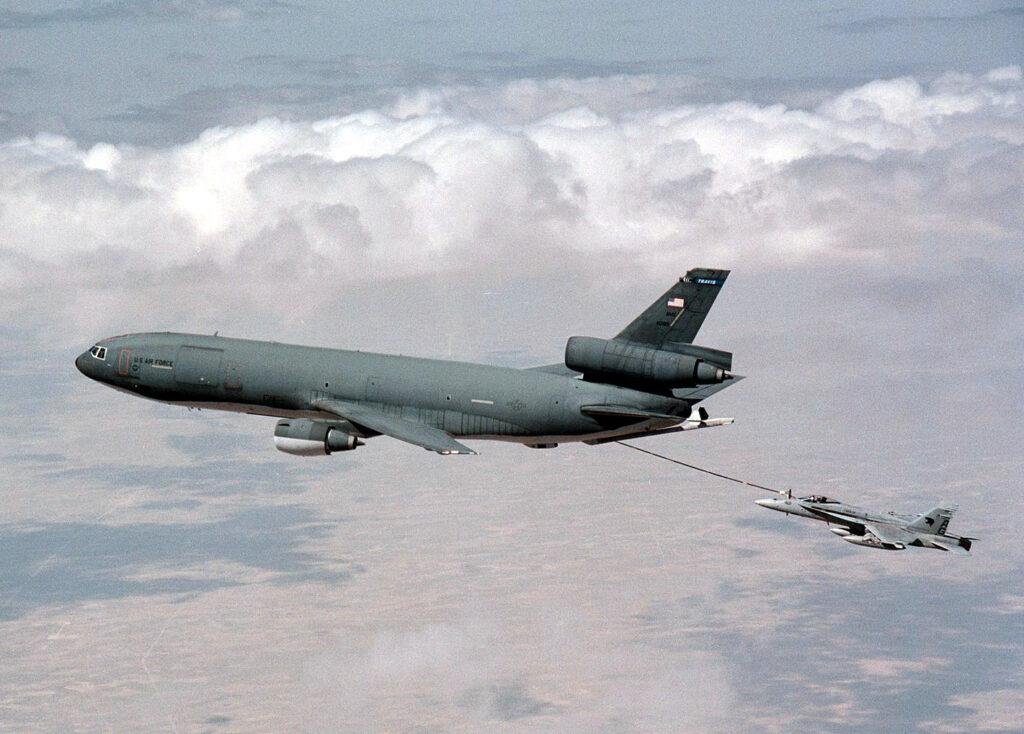
The KC-10 Extender is based on the McDonnell Douglas DC-10 airliner and was used for aerial refueling as well as cargo transport. A military tanker carries specialized fuel-transfer equipment that must be tested along with its basic flight systems.
According to TWZ, the KC-10 can refuel compatible aircraft through a flying boom or probe-and-drogue method. Those options widen potential receiver compatibility, but the recipient’s specific requirements are not publicly documented.
Stored airframes can require inspections, component replacements, engine work, updated records and test flights before they can be cleared to fly. The amount of work depends on condition and storage history, which the notice does not disclose.
Returning a legacy type also creates longer-term questions about spares, training pipelines and maintenance economics. An initial ferry flight would not be equivalent to a fully supported, operational tanker unit.
What Is Known About the Possible Recipient
The public notice describes a North African partner but leaves the nation unidentified. Several countries might be discussed by observers, yet naming a likely recipient without official evidence would be speculation.
Aviation Week and TWZ both treated the notice as a prospective transfer process rather than a confirmed delivery. The sources reviewed contain no signed bilateral agreement, aircraft handover date or final refurbishment budget.
KC-10 North Africa interest demonstrates that retired military transports may still attract potential users. It does not establish that the aircraft will ultimately be sold, granted or restored for this particular program.
FAQ: KC-10 North Africa
How many KC-10 aircraft are being considered?
The Air Force notice concerns up to four retired KC-10 Extenders.
Which North African country would receive them?
The prospective partner is not identified in the public material reviewed.
Has the KC-10 North Africa transfer been finalized?
No. The notice requests industry information and does not announce a completed transfer or aircraft delivery.
Looking Ahead
The next KC-10 North Africa milestone would be a formal acquisition decision or a solicitation following market research. Until then, aircraft condition, recipient identity, cost and flight dates remain unresolved.
Sources