The U.S. Coast Guard 236th Birthday marks more than two centuries of protecting America’s maritime interests through search and rescue, maritime law enforcement, homeland security, environmental protection, and national defense. On August 4, 1790, Congress authorized the construction of the Revenue Marine at the urging of Treasury Secretary Alexander Hamilton, creating the service that would eventually become today’s United States Coast Guard.
Now celebrating 236 years of continuous service, the Coast Guard remains one of the world’s most versatile military organizations. From rescuing people in distress at sea to supporting combat operations alongside the U.S. Navy, Coast Guardsmen continue protecting lives, securing maritime commerce, and defending U.S. interests around the globe.
Table of Contents
U.S. Coast Guard 236th Birthday: How America’s Oldest Seagoing Service Began
The story behind the U.S. Coast Guard 236th Birthday begins on August 4, 1790, when Congress authorized ten revenue cutters to enforce customs laws and collect tariffs for the young United States.
Known originally as the Revenue Marine, the service was responsible for combating smuggling and protecting the nation’s economic interests long before a permanent U.S. Navy existed.
Over time, the organization evolved into the Revenue Cutter Service before merging with the U.S. Life-Saving Service in 1915 to officially form the modern United States Coast Guard.
Today, that uninterrupted history makes the Coast Guard the oldest continuous seagoing military service in the United States.
Why the U.S. Coast Guard Still Matters Today
Although often associated with dramatic rescues at sea, the Coast Guard performs one of the broadest mission sets of any U.S. military branch.
Every day, Coast Guardsmen safeguard ports, protect commercial shipping, intercept narcotics, enforce fisheries regulations, respond to oil spills, conduct Arctic patrols, and support military operations worldwide.
As global trade, maritime competition, and national security challenges continue evolving, the Coast Guard’s role has become more important than ever.
What Does the Coast Guard Do Today?
Unlike the other branches of the U.S. military, the Coast Guard performs both military and civilian missions simultaneously.
Its responsibilities include:
- Search and rescue
- Maritime law enforcement
- Port security
- Drug interdiction
- Migrant interdiction
- Marine environmental protection
- Icebreaking operations
- Marine safety inspections
- Maintaining navigation aids
- Protecting living marine resources
- Supporting national defense
Every year, Coast Guard personnel respond to thousands of emergencies while protecting millions of square miles of U.S. maritime territory.
Coast Guard Aviation Operations Save Lives Every Day
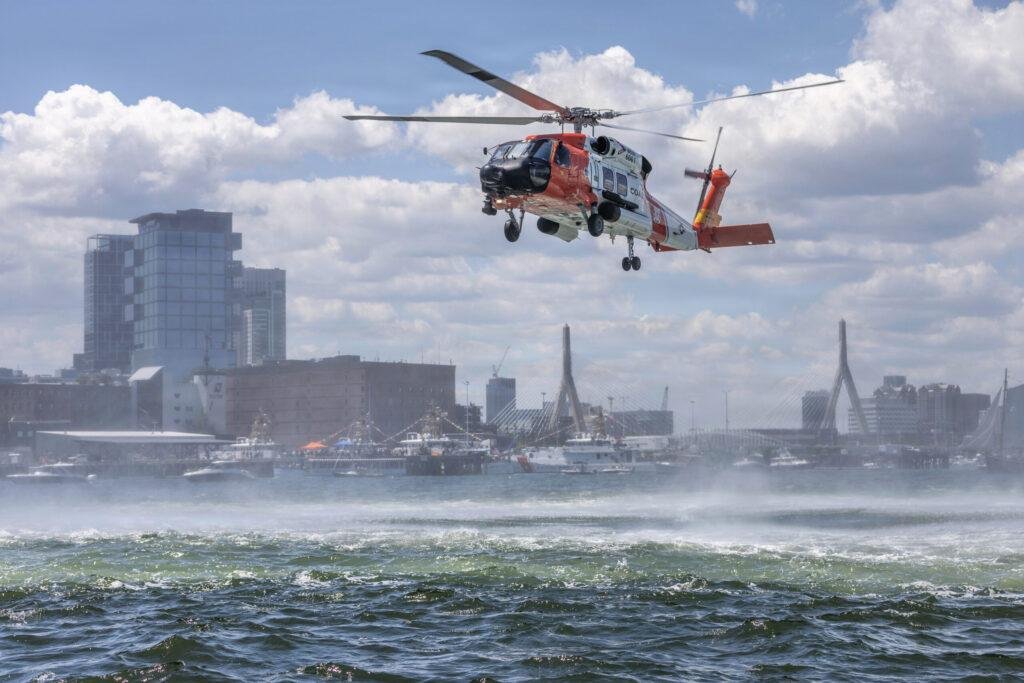
While many people picture white-hulled cutters, aviation has become one of the Coast Guard’s most important operational capabilities.
Its fleet includes:
- MH-60T Jayhawk helicopters
- MH-65 Dolphin helicopters
- HC-130J Super Hercules
- HC-144 Ocean Sentry
- C-27J Spartan
These aircraft perform:
- Offshore search and rescue
- Medical evacuations
- Maritime patrol
- Counter-drug operations
- Disaster response
- Environmental monitoring
- Homeland security missions
Coast Guard aviators routinely fly into severe weather, over open ocean, and into disaster zones where every minute can mean the difference between life and death.
For 236 years, the U.S. Coast Guard has protected America’s waters while standing ready to save lives, defend the nation, and safeguard maritime security around the world.
Supporting National Defense Around the World
Although its humanitarian missions receive much of the public attention, the Coast Guard also plays an increasingly important role in national defense and international maritime security.
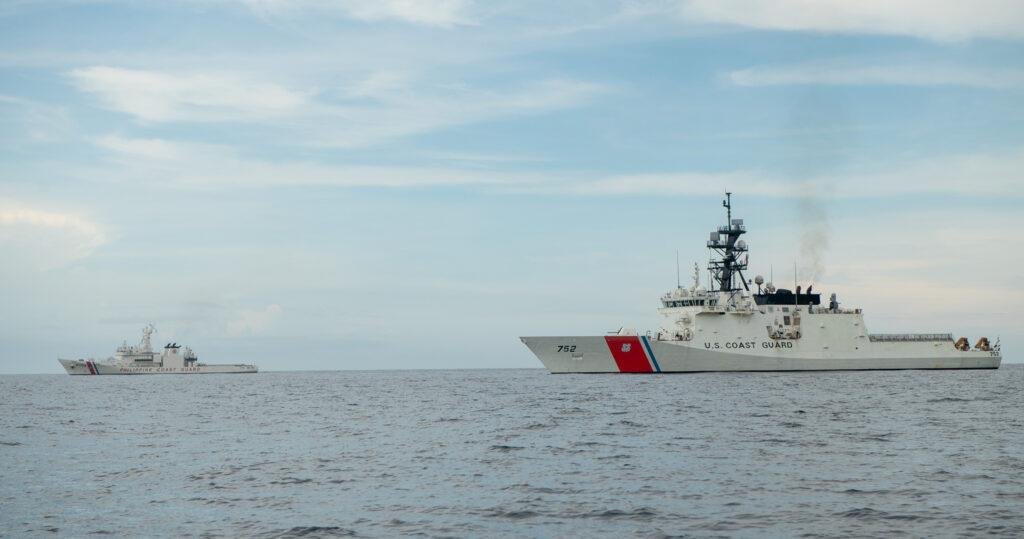
Coast Guard cutters routinely deploy alongside the U.S. Navy and allied partners across the Indo-Pacific, Caribbean, Arctic, and Middle East.
Their missions include:
- Freedom of navigation operations
- Counter-narcotics patrols
- Illegal fishing enforcement
- Maritime sanctions enforcement
- Humanitarian assistance
- International training missions
- Strengthening partnerships with allied coast guards
Recent deployments alongside partners such as the Philippine Coast Guard highlight the service’s growing role in maintaining stability throughout the Indo-Pacific.
The Coast Guard also supports combatant commanders around the world while providing unique maritime law enforcement authorities unavailable to other military services.
Looking Toward the Future
As maritime challenges evolve, the Coast Guard continues modernizing its fleet, aircraft, and technology.
Major initiatives include the Polar Security Cutter program, expanded Arctic operations, new surveillance capabilities, and increased deployments throughout the Indo-Pacific.
Climate change, increasing Arctic shipping, illegal fishing, and growing geopolitical competition are expected to expand the Coast Guard’s responsibilities in the coming decades.
Despite these evolving challenges, the service’s mission remains unchanged: protecting lives, safeguarding America’s maritime interests, and remaining Always Ready.
FAQ: U.S. Coast Guard 236th Birthday
Why is the U.S. Coast Guard birthday celebrated on August 4?
August 4 commemorates the day in 1790 when Congress authorized the Revenue Marine, the predecessor of today’s U.S. Coast Guard.
Is the Coast Guard older than the U.S. Navy?
It depends on which Navy milestone is used for comparison. The Navy traces its official birthday to the Continental Navy’s founding on October 13, 1775, which predates the Coast Guard’s 1790 founding. However, that Continental Navy was disbanded after the Revolutionary War, and the modern Department of the Navy was not established until 1798 — eight years after the Revenue Marine. Measured by continuous, unbroken service, the Coast Guard is the older of the two.
Is the Coast Guard part of the U.S. military?
Yes. The Coast Guard is one of the six branches of the U.S. Armed Forces.
What aircraft does the Coast Guard operate?
The Coast Guard operates the MH-60T Jayhawk, MH-65 Dolphin, HC-130J Super Hercules, HC-144 Ocean Sentry, C-27J Spartan, and several additional aircraft supporting search and rescue, maritime patrol, and homeland security missions.
What is the Coast Guard’s motto?
The Coast Guard’s official motto is Semper Paratus, meaning “Always Ready.”
Looking Ahead
As the U.S. Coast Guard 236th Birthday is celebrated across the country, the service continues a legacy that began with just ten revenue cutters more than two centuries ago.
Today, Coast Guardsmen remain on watch 24 hours a day, protecting America’s waterways, responding to emergencies, defending national security, and saving lives around the world.
The Aviation Diary will continue covering Coast Guard operations, military aviation, naval developments, and maritime security stories from across the globe.
Sources
For additional information about this story: