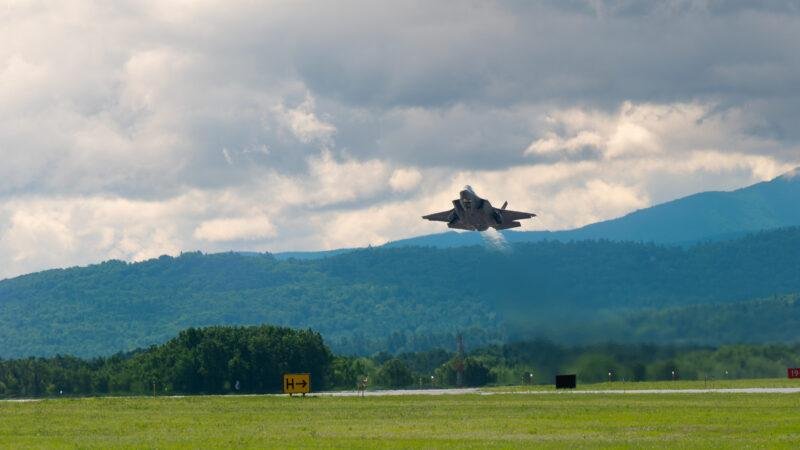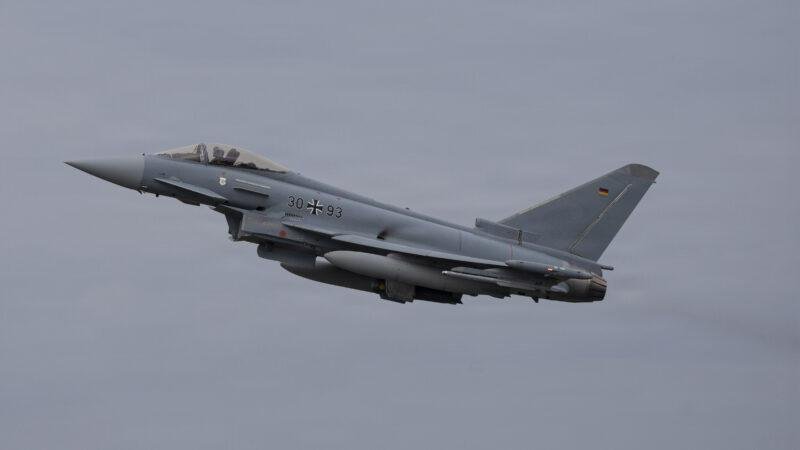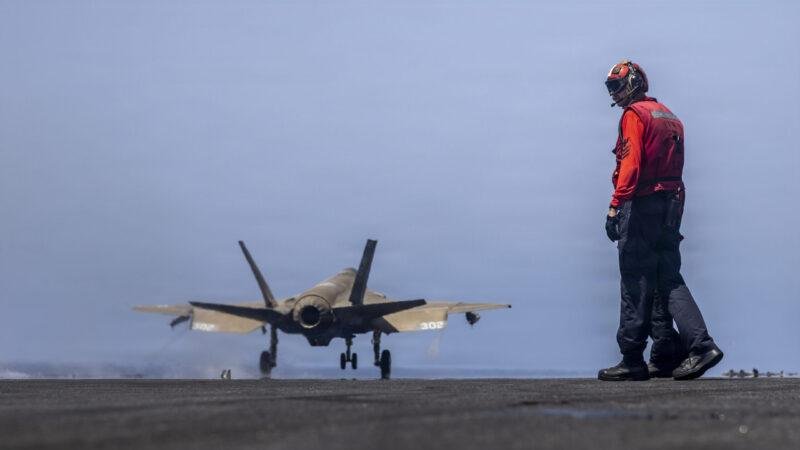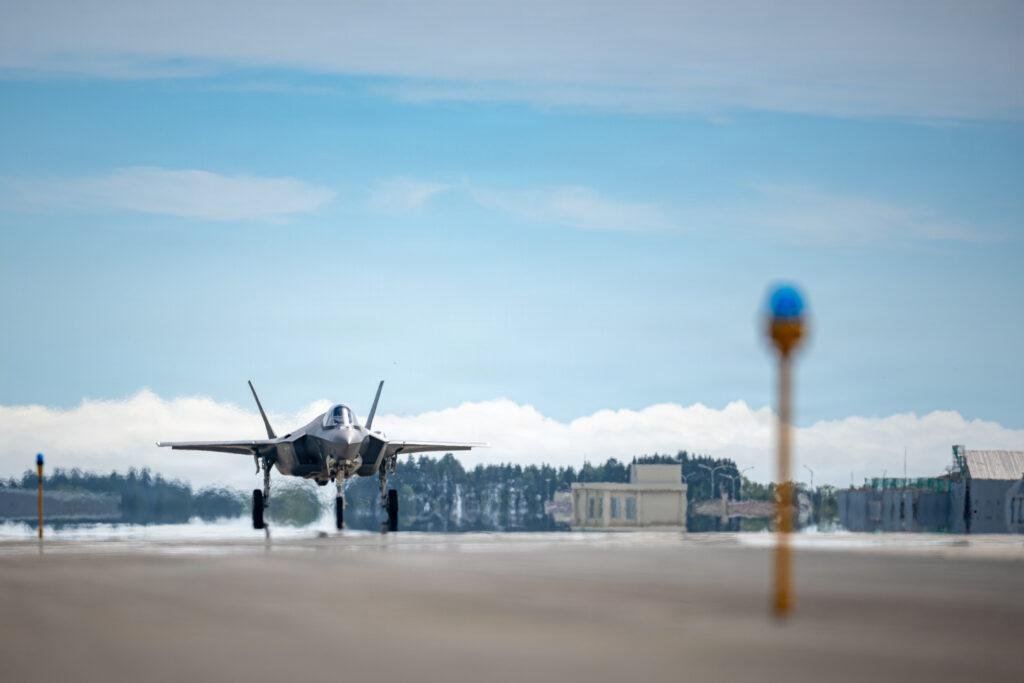
RED FLAG-Alaska 26-3 is underway over Eielson Air Force Base and Joint Base Elmendorf-Richardson, bringing together U.S. Air Force, Marine Corps, and Navy aircraft alongside the Royal Australian Air Force for the third and final iteration of the exercise series this year. Running August 13 through August 28, the exercise marks a milestone for the 35th Fighter Wing at Misawa Air Base, Japan, which deployed its new F-35A Lightning IIs to a Red Flag exercise for the first time.
The drills are flown across the Joint Pacific Alaska Range Complex, the U.S. military’s largest combat training range at roughly 120,000 square miles, giving participating squadrons room to rehearse high-end combat scenarios that smaller ranges cannot replicate.
Table of Contents
What Is RED FLAG-Alaska 26-3
RED FLAG-Alaska is Pacific Air Forces’ premier air combat training exercise, held several times a year and hosted primarily out of Eielson Air Force Base. The 26-3 iteration, which began August 13 and closes August 28, is this year’s third and final run. Unlike the standing garrison training that fills most of a fighter wing’s calendar, Red Flag exercises are built to simulate the opening days of a large-scale conflict, with realistic threat scenarios, contested airspace, and multiple squadrons flying integrated missions rather than solo sorties. PACAF describes RF-A 26-3 as replicating Pacific operational conditions, integrating joint and coalition forces training from simulated forward operating bases.
Misawa’s F-35As Deploy for the First Time
The headline development in this iteration comes from Japan. The 13th Fighter Squadron, part of the 35th Fighter Wing at Misawa Air Base, sent its new F-35A Lightning IIs to a Red Flag exercise for the first time, according to Air & Space Forces Magazine. The deployment is an early step in Misawa’s transition away from its longtime fleet of F-16CJs, which the wing has flown for years in the “Wild Weasel” role of suppressing enemy air defenses.
The 35th Fighter Wing is expected to eventually field 48 F-35s at Misawa. Bringing the jets to RED FLAG-Alaska gives pilots and maintainers their first taste of large-force employment in the new airframe, well before the squadron reaches full operational status.
“The tactical execution performed at Red Flag-Alaska complements that at Nellis by allowing forces to project power across massive distances, much like the Pacific theater.”
Marines and Navy Join the Fight
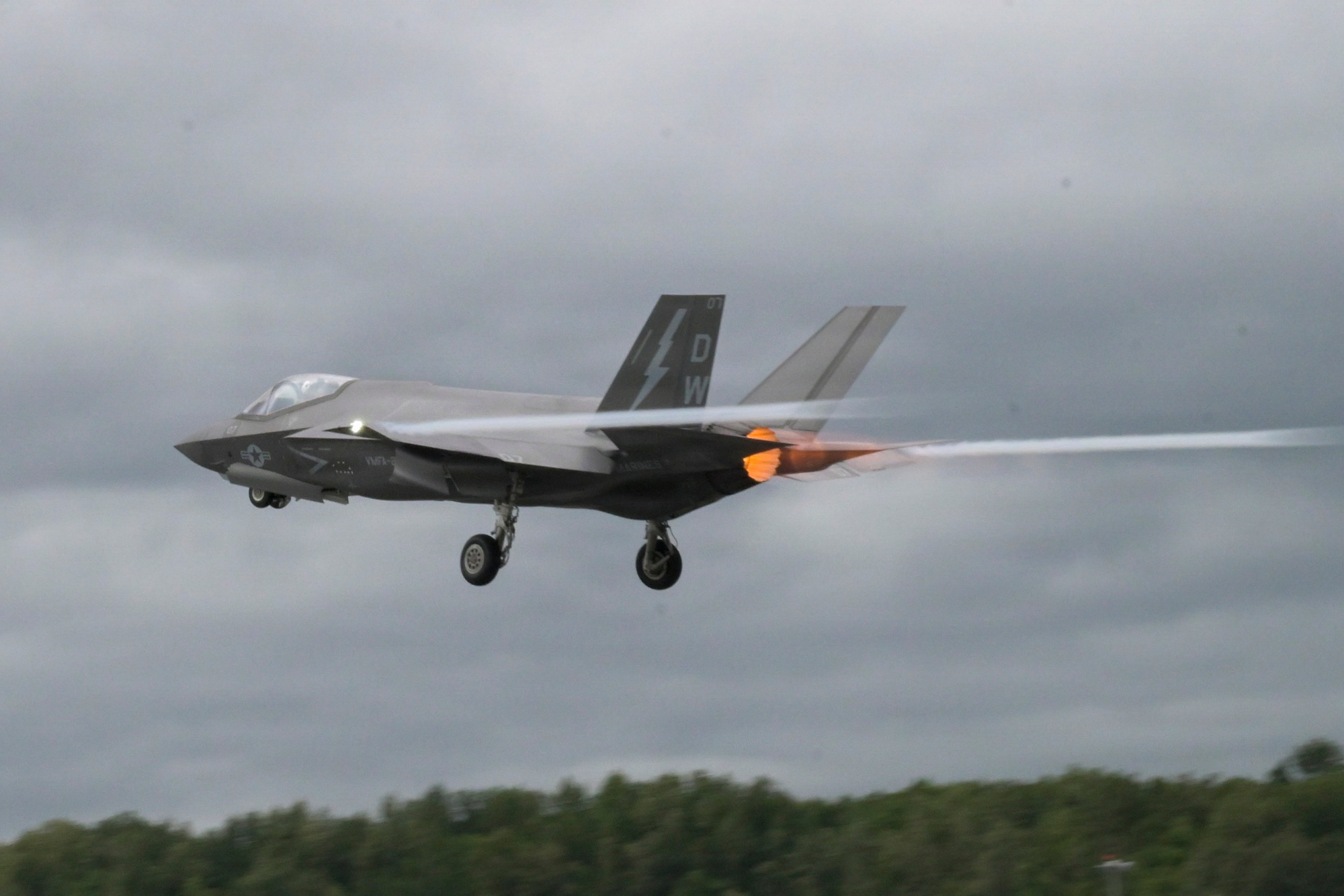
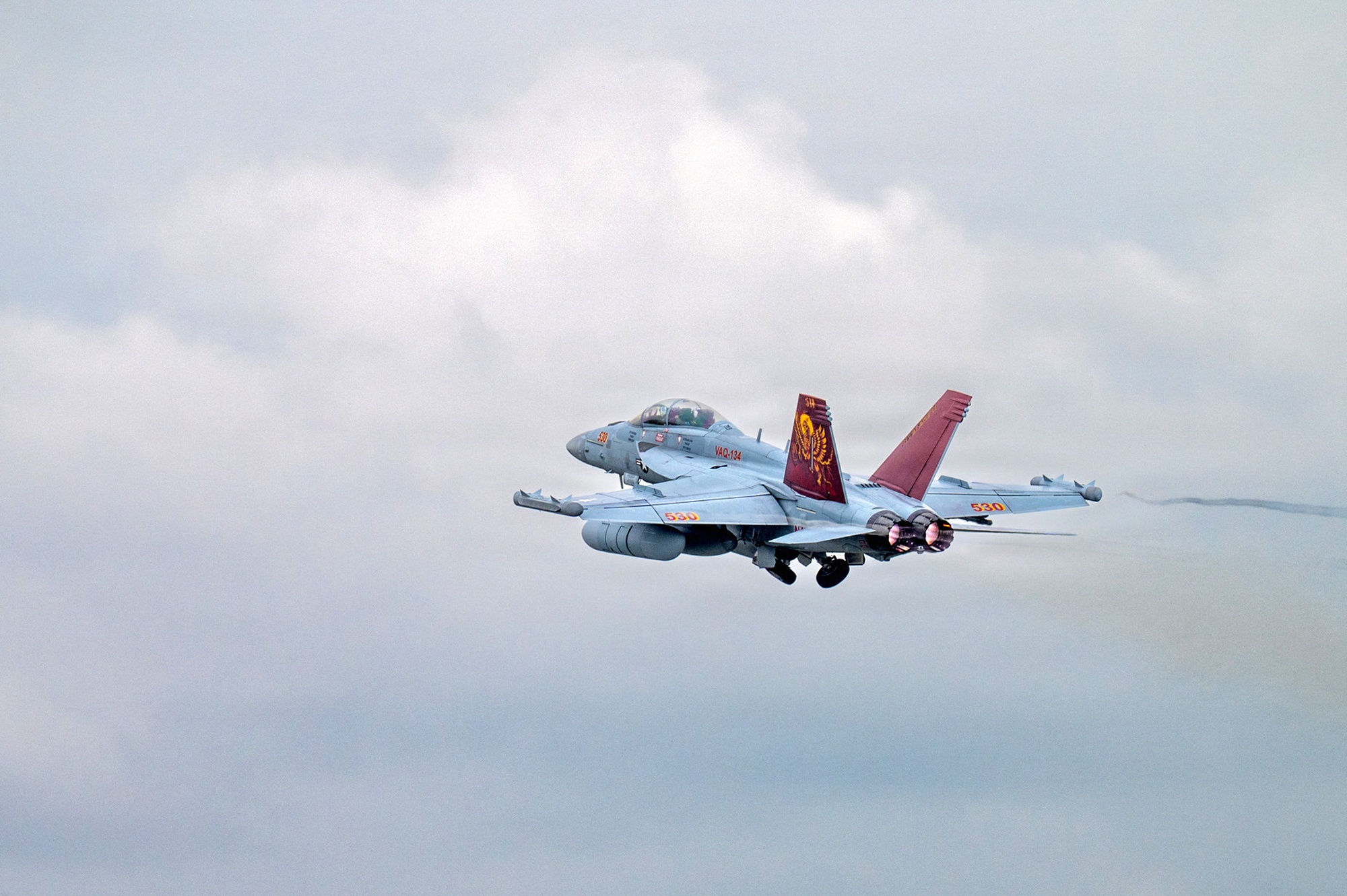
RED FLAG-Alaska 26-3 isn’t an Air Force-only affair. Marine Fighter Attack Squadron 251, based at Marine Corps Air Station Cherry Point in North Carolina, flew F-35C Lightning IIs out of Joint Base Elmendorf-Richardson during the exercise. The Navy’s Electronic Attack Squadron 134, the “Garudas,” brought EA-18G Growlers into the mix from Eielson Air Force Base, providing electronic warfare support alongside the fighter packages.
That kind of joint composition is the point. Real contingencies rarely involve a single service flying alone, and Red Flag-Alaska exists partly to make sure Marine, Navy, and Air Force crews have already worked out the coordination problems before they matter in a real fight.
Inside the Joint Pacific Alaska Range Complex
RED FLAG-Alaska is flown almost entirely within the Joint Pacific Alaska Range Complex, spanning approximately 120,000 square miles of airspace over interior Alaska, according to PACAF. That dwarfs the Nevada Test and Training Range used for the flagship Red Flag exercise at Nellis Air Force Base, which covers roughly 12,000 square miles.
- Primary bases: Eielson Air Force Base and Joint Base Elmendorf-Richardson
- Sponsor: Pacific Air Forces (PACAF)
- Airspace: Joint Pacific Alaska Range Complex, approximately 120,000 square miles
- Duration: August 13–28, 2026
The extra room lets planners spread units across distances closer to what crews would actually cover in a Pacific contingency, rather than compressing a fight into a smaller box.
A Multinational Exercise: U.S. and Australia
Alongside the joint U.S. force package, this iteration pairs in the Royal Australian Air Force, flying primarily out of Eielson and Elmendorf-Richardson. Earlier Red Flag-Alaska rotations this year drew wider international participation, including South Korea’s 51st Fighter Wing leading the April iteration and the Royal Canadian Air Force taking part in June. The narrower U.S.-Australia pairing in 26-3 still delivers the exercise’s core value: forcing squadrons and services that don’t normally train together to fly integrated missions under a shared command structure.
Why RED FLAG-Alaska Matters
Red Flag-style exercises exist because a pilot’s first few combat sorties are statistically the most dangerous of a career. Flying realistic, high-threat missions in Alaska’s expansive airspace lets crews absorb those early lessons in training rather than in an actual fight. For a wing like the 35th at Misawa, still building proficiency on a new airframe, that exposure is worth more than routine local sorties.
The exercise also reinforces the Indo-Pacific posture Pacific Air Forces has leaned into for years: distances in that theater are vast, basing options are limited, and the ability to surge joint airpower across thousands of miles is treated as a core skill rather than an afterthought.
FAQ: RED FLAG-Alaska 26-3
When does RED FLAG-Alaska 26-3 end?
The exercise runs from August 13 through August 28, 2026, making 26-3 the final Red Flag-Alaska rotation of the year.
Which units are flying in RED FLAG-Alaska 26-3?
Participants include the 13th Fighter Squadron’s F-35As from Misawa Air Base, Marine Fighter Attack Squadron 251’s F-35Cs from MCAS Cherry Point, Navy Electronic Attack Squadron 134’s EA-18G Growlers, U.S. Air Force units based at Eielson and Elmendorf-Richardson, and the Royal Australian Air Force.
How does the Joint Pacific Alaska Range Complex compare to Nellis?
At approximately 120,000 square miles, it’s roughly ten times the size of the Nevada Test and Training Range used for the flagship Red Flag exercise at Nellis Air Force Base.
Looking Ahead
RED FLAG-Alaska 26-3 closes out this year’s exercise series on August 28. Expect Pacific Air Forces to publish an after-action summary in the following weeks, along with follow-on coverage of Misawa’s continued F-35A transition. The Aviation Diary will track further Red Flag-Alaska announcements and Indo-Pacific fighter deployments as they develop.
Source
- DVIDS — Joint Base Elmendorf-Richardson Public Affairs
- DVIDS — 354th Fighter Wing Public Affairs
- Air & Space Forces Magazine
- Pacific Air Forces (PACAF)