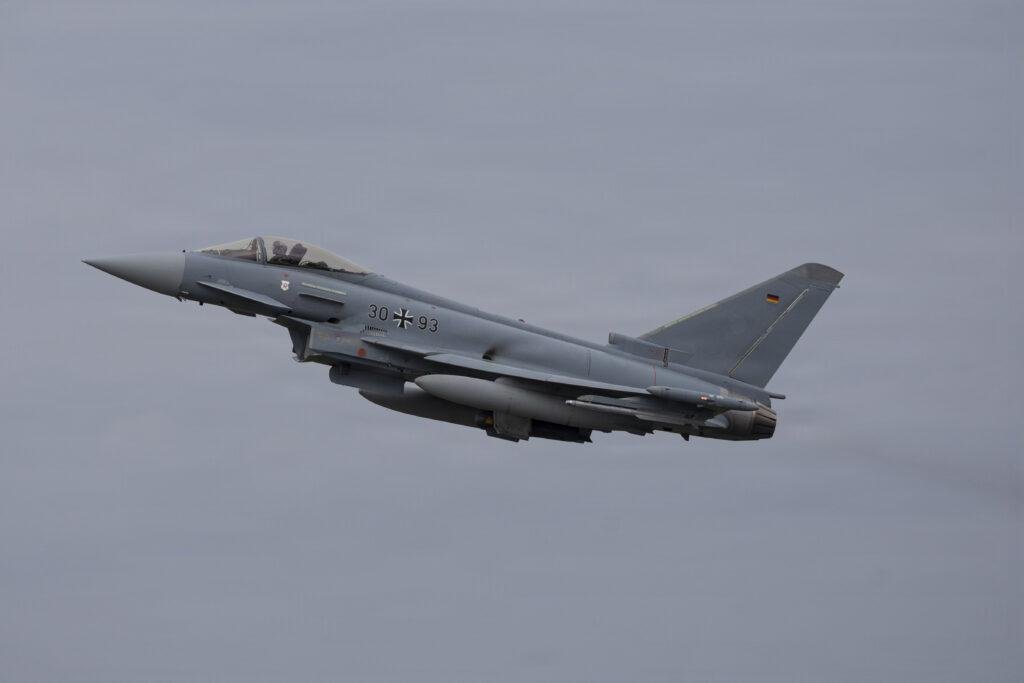
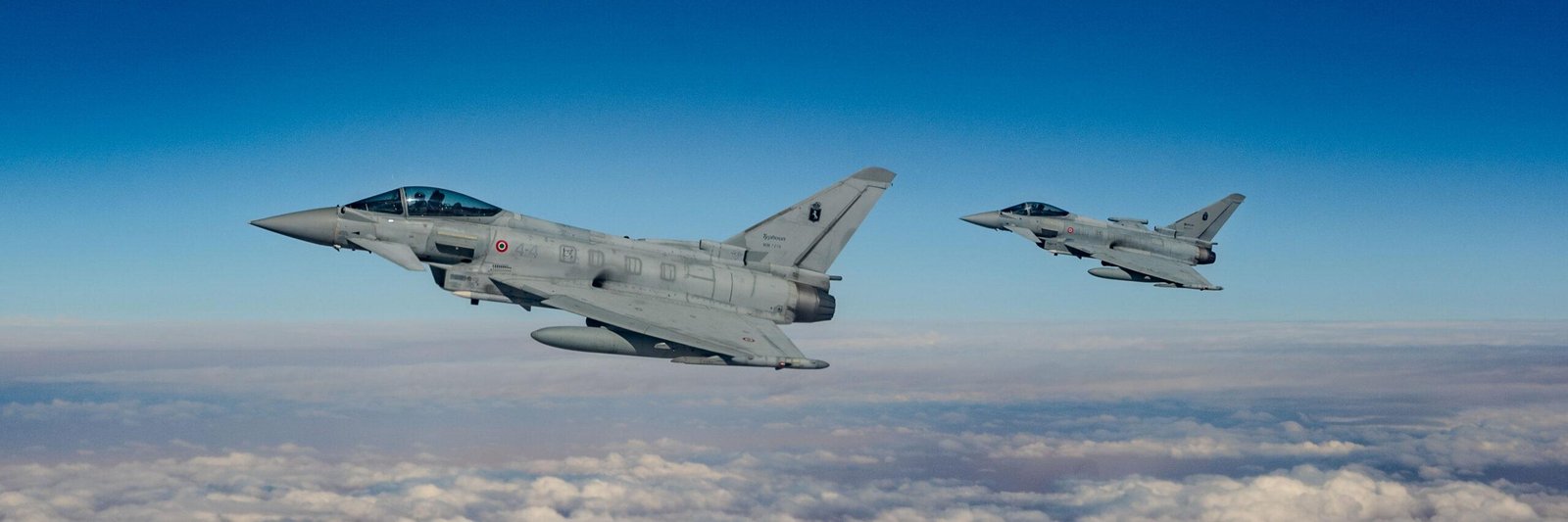
Turkey Eurofighter training entered its practical phase on September 7, 2026, when the first Turkish Air Force pilots began flying the Eurofighter Typhoon in the United Kingdom. The milestone comes even though the first new-build aircraft for Turkey won’t be delivered until the end of the decade — the training pipeline is running years ahead of the hardware itself.
Turkish Defense Ministry spokesman Rear Adm. Zeki Aktürk announced the start of flight training during the ministry’s weekly press briefing, confirming that an undisclosed number of pilots would begin an eight-month course on the aircraft, to be followed by three months of instructor training. Additional pilots will be sent to the UK in phases as the program continues.
Table of Contents
From Classroom to Cockpit
The pilots now flying in the UK completed a theoretical training phase that began in August before moving into actual flight instruction this month. Under the training arrangement, the Royal Air Force has agreed to train 10 Turkish Air Force pilots and 100 ground crew on the Typhoon, establishing a training pipeline that Turkish officials have said will continue on an ongoing basis rather than as a single one-off course.
Running pilot and maintainer training years before the first aircraft arrive is a deliberate sequencing choice, not a delay. It gives Turkey a trained cadre of Typhoon-qualified pilots and technicians ready to stand up operational squadrons as soon as aircraft deliveries begin, rather than starting personnel training only once the jets are on the ramp.
The Deal Behind the Training
The training pipeline flows from an £8 billion (roughly $10.7 billion) agreement Turkish President Recep Tayyip Erdoğan and then-UK Prime Minister Keir Starmer signed in Ankara on October 27, 2025, covering 20 Eurofighter Typhoon Tranche 4 aircraft for the Turkish Air Force. The package includes Meteor air-to-air missiles built by MBDA, pilot and maintainer training, spare parts and integration services.
A follow-on agreement signed March 25, 2026, in London by Turkish Defense Minister Yaşar Güler and his then-British counterpart John Healey covered the logistical and technical support arrangements needed to actually operate and maintain the aircraft once they arrive — the framework that made this month’s training deployment possible.
Why Turkey Turned to the Typhoon
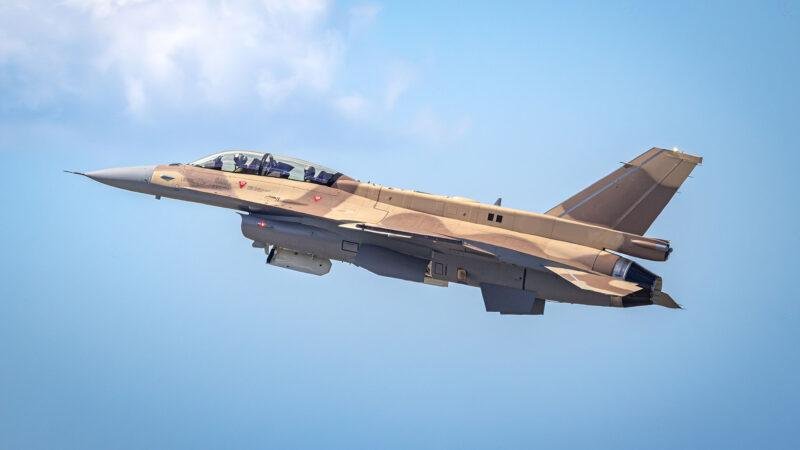
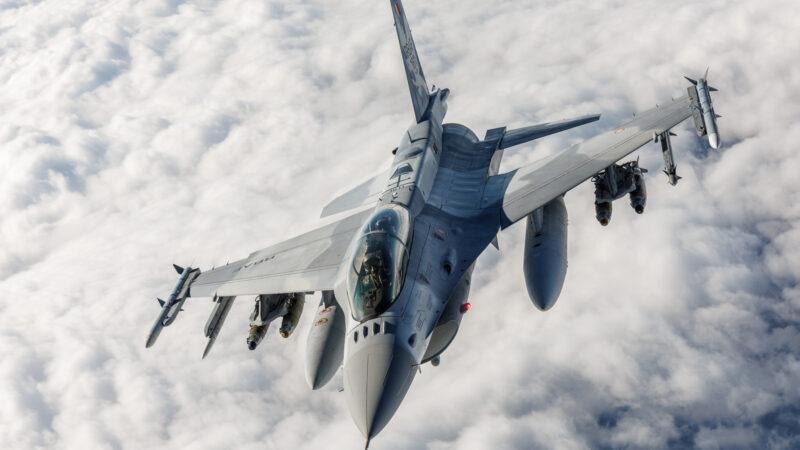
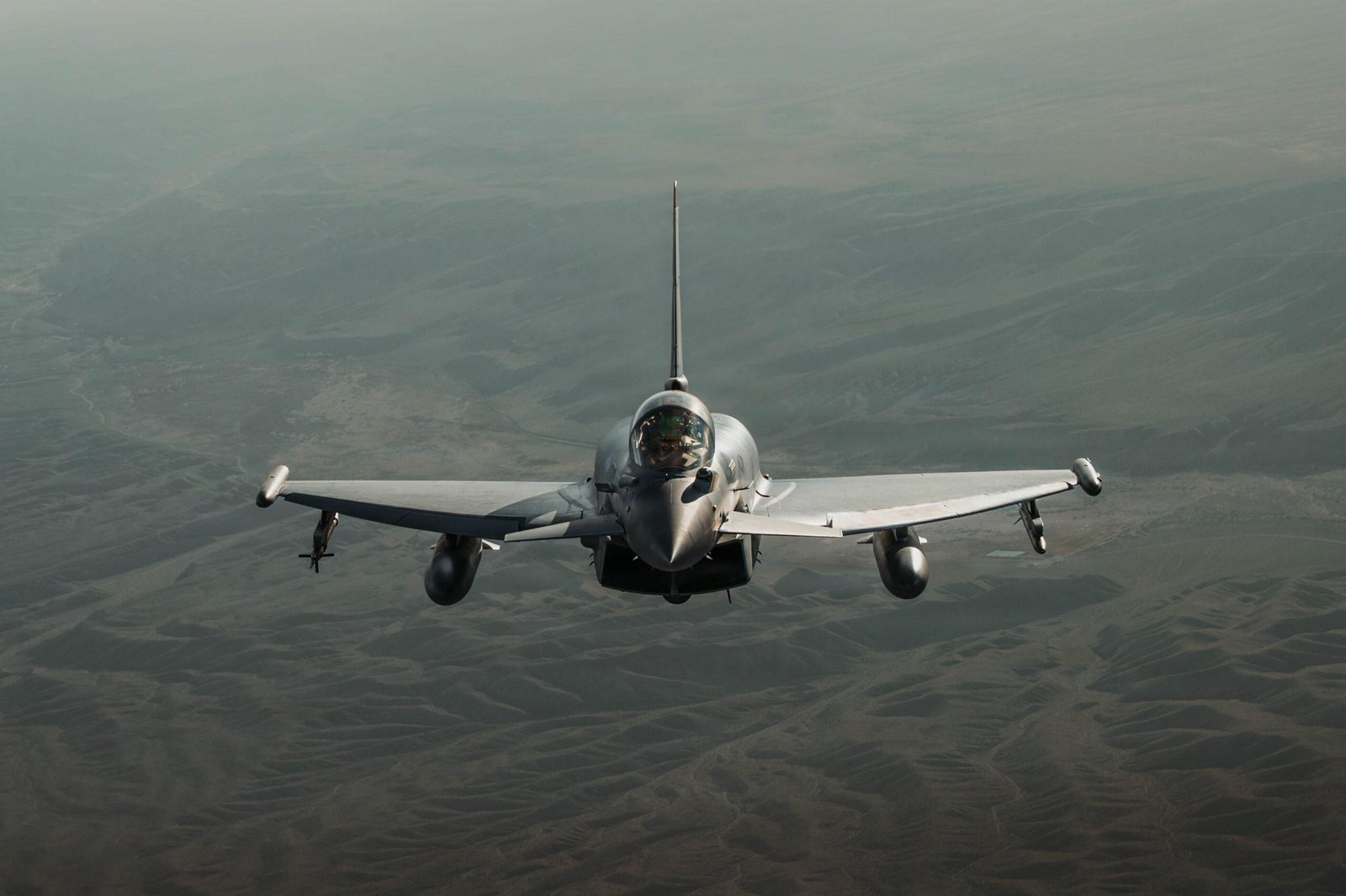
Turkey’s push toward the Eurofighter followed years of difficulty securing modern Western fighters through its usual American channels. The country was removed from the F-35 Lightning II program in 2019 after purchasing Russian S-400 air defense systems, which the United States said posed a security risk to the stealth jet. Ankara also grew frustrated with prolonged negotiations over additional F-16 purchases and upgrade kits from Washington, pushing it to look toward Europe instead.
The Eurofighter deal required sign-off from Germany, a member of the four-nation manufacturing consortium alongside the UK, Italy and Spain, whose earlier objections had stalled Turkish interest in the aircraft for years before being resolved.
A Fleet Still Years Away
Final assembly of Turkey’s Eurofighters will take place at BAE Systems’ Warton, Lancashire facility, with production already underway there and at other Eurofighter partner-nation sites. Despite pilots already flying training sorties in the UK, the first new-build aircraft for Turkey aren’t expected until close to 2030 — meaning the training program now underway will run for years before it has operational jets to support back home.
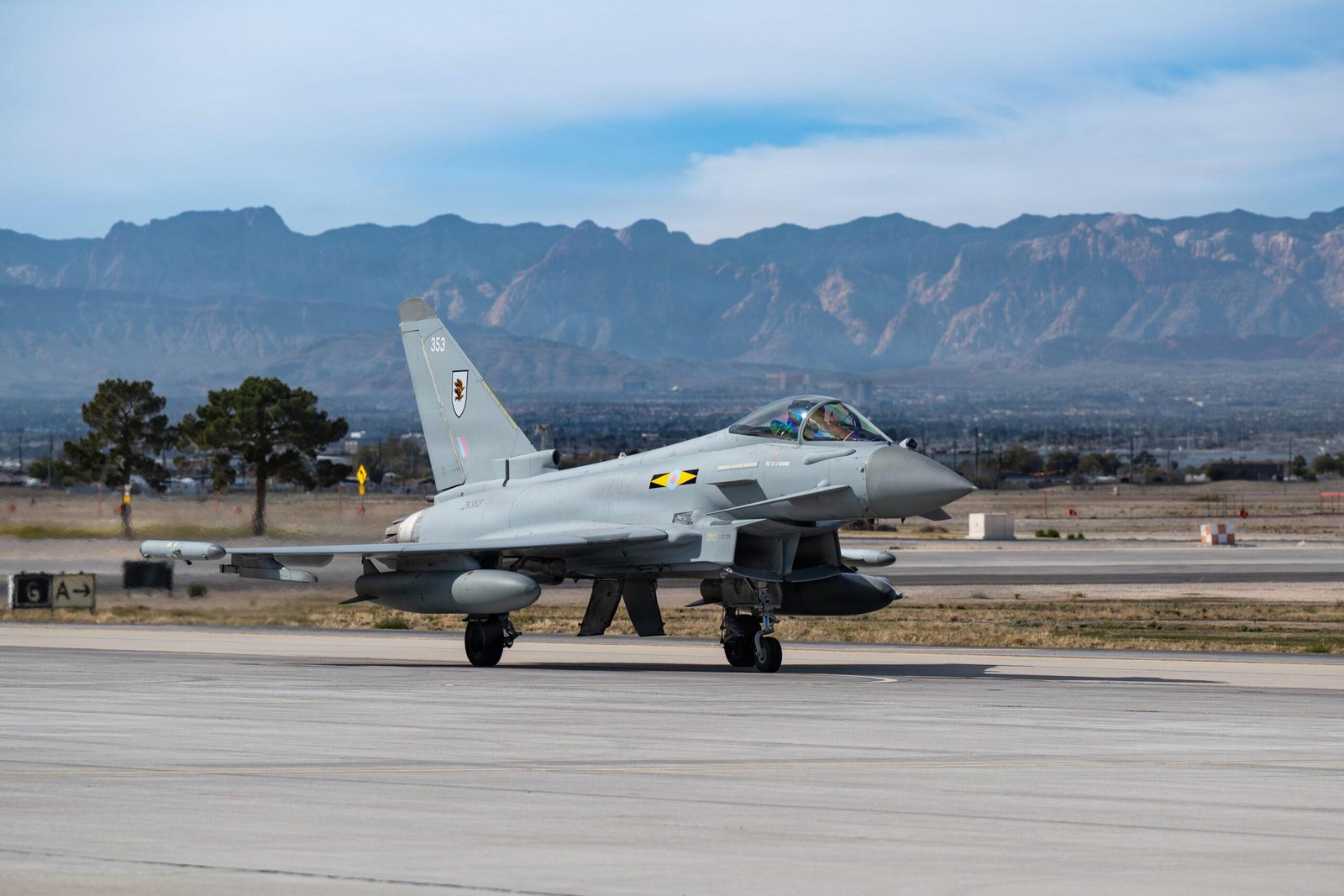
Once deliveries begin, Turkey will become the 10th nation to operate the Eurofighter Typhoon, joining the UK, Germany, Spain, Italy, Austria, Oman, Qatar, Kuwait and Saudi Arabia. Turkey is separately developing its own indigenous fifth-generation fighter, the KAAN, with Turkish Aerospace Industries, targeting an operational capability around 2028 — meaning the Typhoon and the KAAN could end up entering Turkish Air Force service within a few years of each other.
FAQ: Turkey Eurofighter Training
How many Eurofighters is Turkey buying?
The signed agreement covers 20 Eurofighter Typhoon Tranche 4 aircraft, though Turkey has previously expressed interest in acquiring additional jets, potentially including second-hand aircraft from Qatar or Oman, that could grow the eventual fleet further.
When will Turkey actually receive its jets?
The first new-build Eurofighters for Turkey are not expected until close to the end of the decade, roughly 2029-2030, even though pilot training is already underway.
Is this connected to Turkey’s F-35 situation?
Indirectly. Turkey was removed from the F-35 program in 2019 after buying the Russian S-400 air defense system, and the Eurofighter deal is widely seen as part of how Turkey is filling the resulting gap in its fighter fleet, alongside its own indigenous KAAN fighter program.
Looking Ahead
Turkish officials have said additional pilots and maintenance personnel will continue traveling to the UK for training in the years ahead as the program builds toward eventual aircraft deliveries. The Aviation Diary will continue following Turkey’s Eurofighter training pipeline and the broader modernization of the Turkish Air Force.
Sources
- Aviation Week — Turkish Pilots Ready To Begin Eurofighter Training In UK
- BTA — Turkish Pilots to Start Flying Eurofighters From September 7 During UK Training
- Türkiye Today — Turkish Eurofighter Pilots to Begin UK Flight Training in August
- Defense Magazine — Turkey Joins the Eurofighter Club: £8 Billion Deal Modernizes Air Force and Bolsters NATO’s Eastern Flank
- Daily Sabah — Türkiye to Begin Eurofighter Pilot Training in UK Next Month
- BTA — Turkish Pilots to Undergo Training in UK Under Eurofighter Aircraft Deal
- National Interest — Turkey Wanted the F-35, and Now It Will Get the Eurofighter Typhoon Fighter
- AP via The Republic — Turkey and Britain Sign Preliminary Deal for Eurofighter Typhoon Jets