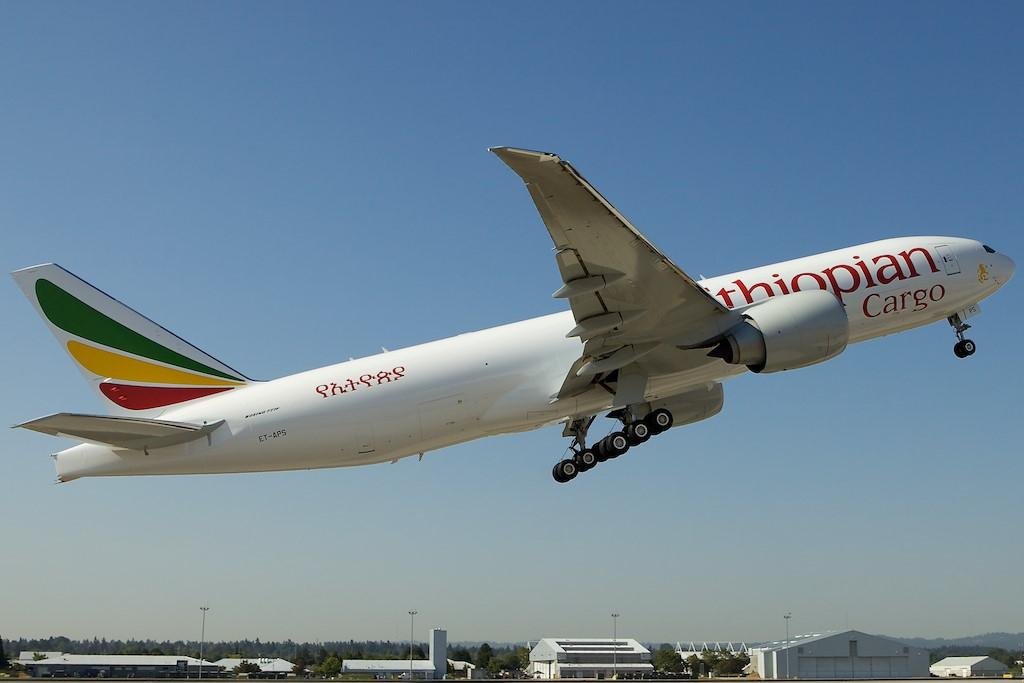
Ethiopian Airlines cargo operations received formal authorization from Argentina on October 7, 2026, opening a regulatory path for international all-freight flights involving the country.
Argentina’s transport ministry said the decision grants the Ethiopian carrier rights for regular international cargo services, including traffic rights contemplated under the countries’ air-services framework. A proposed weekly cargo operation is targeted for October 31.
The authorization is not proof that a cargo aircraft has already entered service on the route. Actual launch, frequencies and the exercise of individual traffic rights must be distinguished from what the permit allows.
Table of Contents
What Argentina Authorized for Ethiopian Airlines Cargo
The Argentine government identified the measure as Disposición 26/2026, published October 7. Its announcement said Ethiopian Airlines may provide regular international air freight services under an expanded set of commercial aviation rights.
The ministry described potential rights extending up to ninth-freedom cabotage, subject to the authorization’s legal scope. Such wording concerns permitted categories of traffic, not a statement that domestic Argentine cargo flights are already scheduled.
Argentina connected the decision to a January 16, 2025 memorandum of understanding with Ethiopia that broadened routing and frequency arrangements. The transport ministry presented it as part of a wider open-skies approach.
Ethiopian Airlines cargo participation would add another airline option to the country’s international freight sector, but realized capacity must be measured from flights actually operated.
How the Proposed Freight Route Would Work
The government says Ethiopian already operates a passenger route linking Addis Ababa, Lagos, São Paulo and Buenos Aires, with seven weekly frequencies. The new cargo-only service is a different operation, even where it would share airports along that corridor.
The airline is expected to begin one weekly cargo frequency on the same broad route from October 31, according to Argentina’s official announcement. The language is explicitly prospective rather than a confirmation of a completed inaugural flight.
A multi-stop route can connect shippers across Africa and South America, but the economic value depends on available freight space, transit times, customs handling and the airline’s eventual cargo product.
The Ethiopian Airlines cargo authorization does not identify aircraft type, exact planned flight numbers or payload volumes in the government text reviewed.
Why Traffic Rights Matter in Air Cargo
International air transport rights define what traffic an airline from one country may carry between, through or within other territories. Broad authorizations can give carriers more flexibility to design freight networks than a restrictive bilateral route list.
Ninth-freedom rights refer to cabotage operations within a foreign country without a connection to the carrier’s home state. The Argentine measure refers to rights up to that level, but the statement should not be read as proof of actual internal cargo flights.
Cargo operators still need aircraft, airport slots, customs processing and commercial demand to turn permissions into flights. Governments can approve access that an airline does not immediately use.
For shippers, the measurable consequence will be published schedules and available capacity rather than the legal ceiling alone.
FAQ: Ethiopian Airlines cargo
When did Argentina approve Ethiopian Airlines cargo operations?
The transport ministry announced the authorization on October 7, 2026.
When is a weekly all-cargo flight planned?
Argentina said the airline planned to start one weekly cargo-only frequency from October 31.
Does the permit prove Ethiopian is flying domestic cargo within Argentina?
No. The authorization describes potential rights; actual route operation has not been established.
Looking Ahead
Watch for a confirmed October 31 launch, published flight identifiers and operating aircraft. The Ethiopian Airlines cargo permit is a regulatory milestone, with delivery of the planned services still to be demonstrated.
Sources
- Argentina Ministry of Economy, Ethiopian Airlines cargo authorization
- Aviación en Argentina, October 8 account of authorization
- iProfesional, regulation and traffic rights