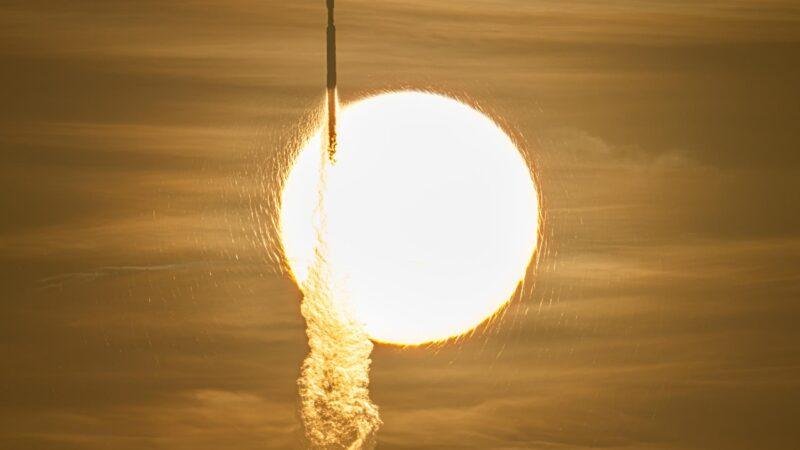
NASA SSPICY mission operations are preparing for a series of close inspections of inactive objects in low Earth orbit, following a spacecraft launch on October 1 from California.
The agency says the Otter spacecraft, built and operated by Starfish Space, will approach as many as four out-of-service American satellites or rocket bodies during its technology demonstration.
The mission is not an orbital debris removal flight. It will inspect objects and demonstrate navigation technologies needed for possible future servicing missions, while avoiding contact with the targets.
Table of Contents
NASA SSPICY Mission Will Approach Inactive Objects
The first planned close approaches are expected in early 2027. NASA says Otter will navigate to within hundreds of yards of each selected target and evaluate orientation, spin rate and visible condition using onboard sensing.
The spacecraft combines computer vision with automated guidance and control software. Rather than a ground operator manually commanding every adjustment, the system is intended to make some navigation decisions from sensor observations in real time.
The objects to be inspected are inactive U.S.-origin spacecraft or rocket bodies. NASA has not publicly identified all four target objects in the announcement, and the operational proximity of each pass will depend on actual mission conditions.
NASA SSPICY mission: Electric Propulsion and Robotic Boom Testing
Otter uses an electric propulsion system to move between objects. A movable robotic boom is planned to test thruster pointing for precise changes in the spacecraft’s path between orbits.
NASA presents the mission as an integrated demonstration: autonomous approaches, inspection instruments and propulsion working together on one flight. Individual features may have been developed earlier, but proving their combined behavior is the stated objective.
The agency emphasizes that Otter will neither touch nor dock with the objects it examines. Successful inspections would therefore provide technical evidence rather than a completed example of refueling, repairing or capturing another spacecraft.
Why Orbital Inspections Matter for Future Missions
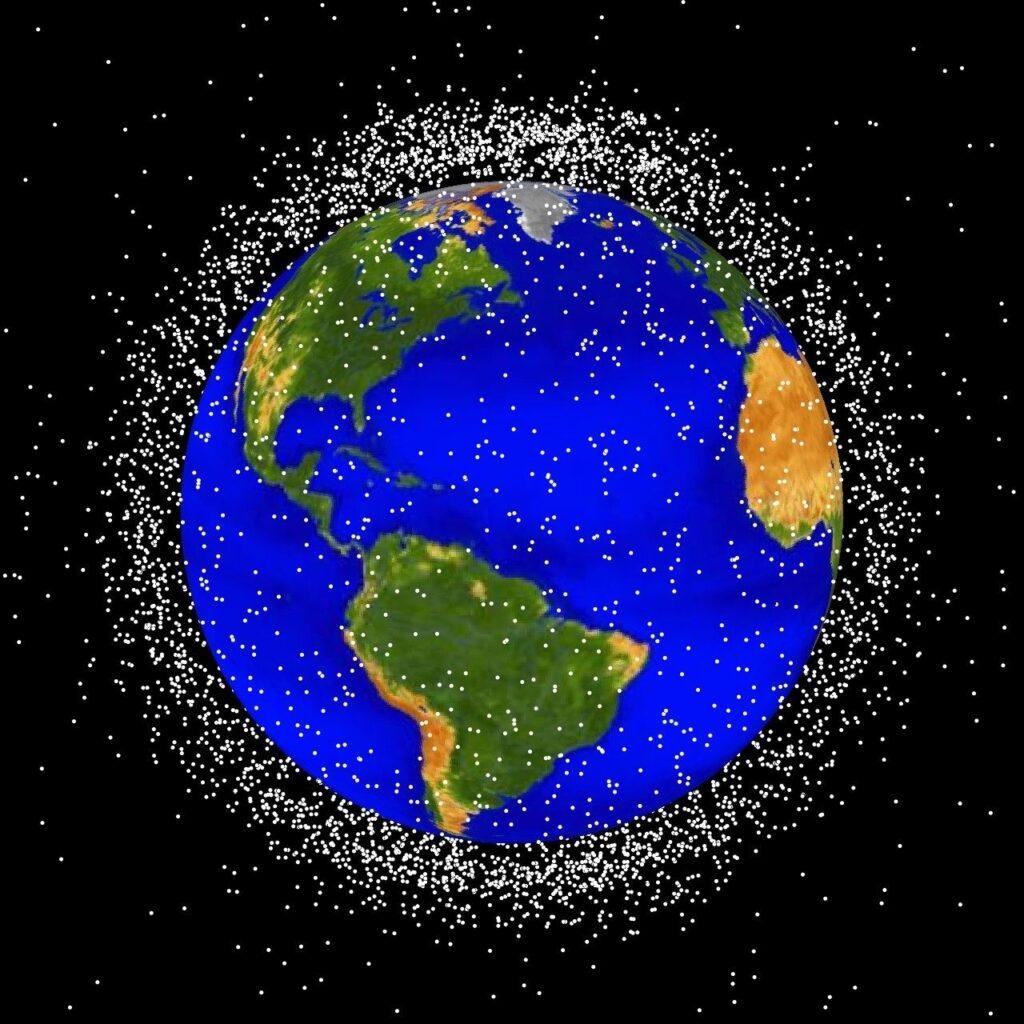
Uncontrolled satellites and spent rocket hardware can eventually fragment or collide, generating debris that threatens other spacecraft. A close-range assessment of a damaged or retired object could help a future servicing mission determine whether and how to interact with it.
NASA’s Small Spacecraft and Distributed Systems program manages and funds the mission. The agency also supported parts of Starfish Space’s earlier technology development through its small-business research programs. The NASA SSPICY mission will test inspection behavior without physically grabbing or docking with the target objects.
The space agency has not claimed the demonstration can already remove debris on a commercial scale. Outcomes to watch include how reliably Otter positions itself and whether the inspections provide useful surface and motion measurements.
FAQ: NASA SSPICY mission
What does the NASA SSPICY mission stand for?
It is the Small Spacecraft Propulsion and Inspection Capability technology demonstration.
Will SSPICY remove debris from orbit?
No. NASA says it will inspect inactive objects without touching or docking with them.
When will the first SSPICY inspections begin?
NASA expects the Starfish Space Otter spacecraft to begin close approaches in early 2027.
Looking Ahead
First close-range target inspections are expected in early 2027. NASA will use the results to assess whether the combined autonomous navigation and propulsion approach performed as designed.
Sources
Image credit: NASA / Wikimedia Commons (US-GOV-PUBLIC-DOMAIN; reuse terms). Featured image is an archival or contextual illustration, not the reported event.