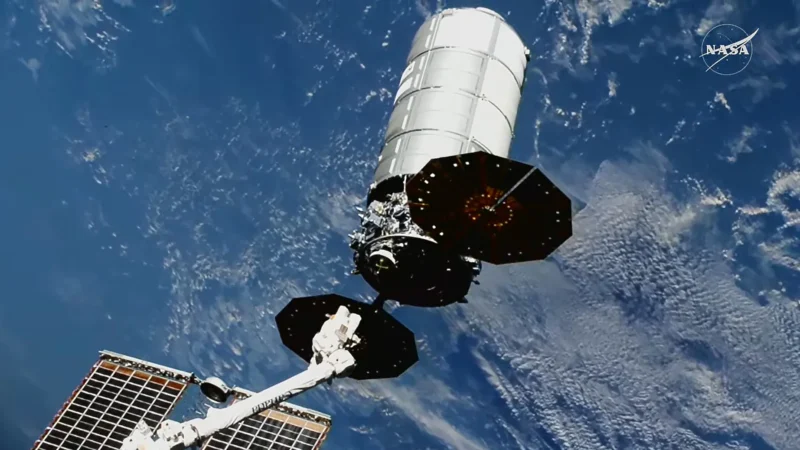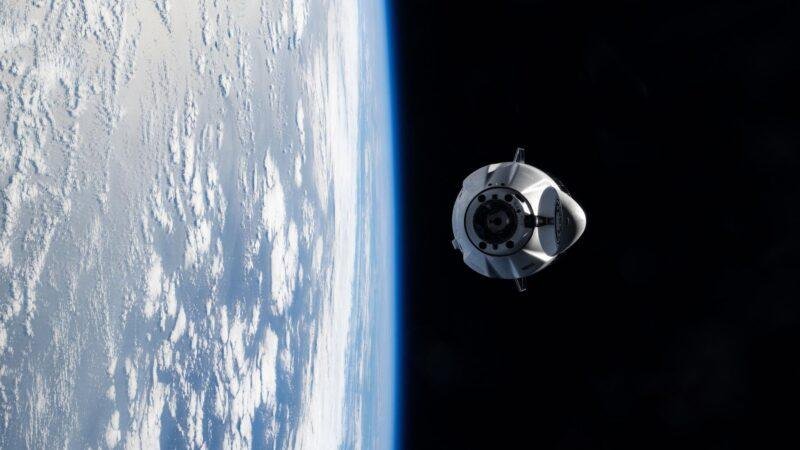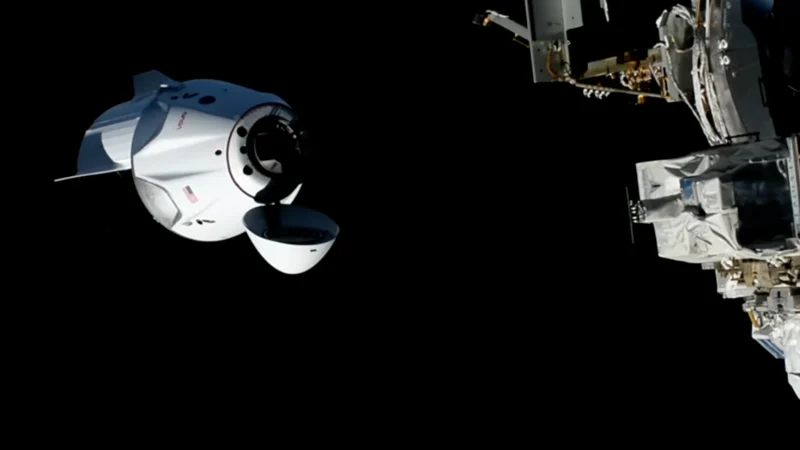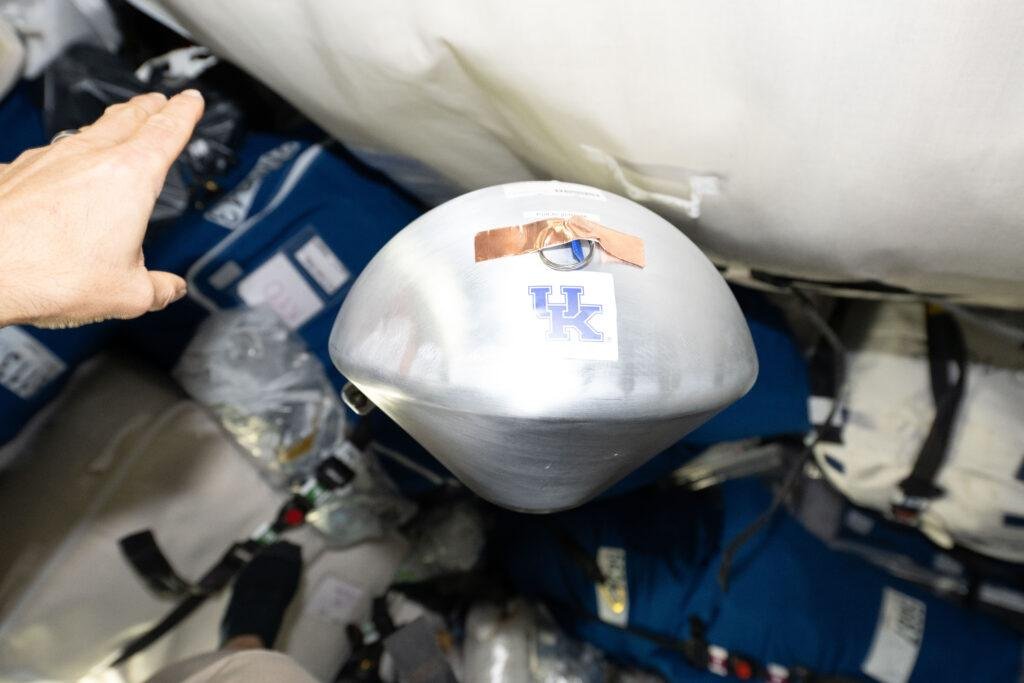
KREPE-3 heat shield capsules left the International Space Station on Oct. 9, 2026, inside Northrop Grumman’s Cygnus XL cargo spacecraft. NASA and the University of Kentucky say 12 experimental probes are part of a mission designed to measure how different thermal protection materials perform during atmospheric reentry.
NASA confirmed that Canadarm2 released the spacecraft at 12:44 p.m. EDT. Mission controllers plan to command Cygnus XL to deorbit on Monday, Oct. 12, when the capsules are designed to separate from the spacecraft as it breaks apart in Earth’s atmosphere.
The departure completes the space station phase of the Kentucky Re-Entry Probe Experiment-3 (KREPE-3). The atmospheric test remains ahead, and NASA has not announced results. Researchers hope the measurements will help improve heat shields for future spacecraft, including missions involving the Moon and Mars.
How the KREPE-3 Reentry Experiment Works
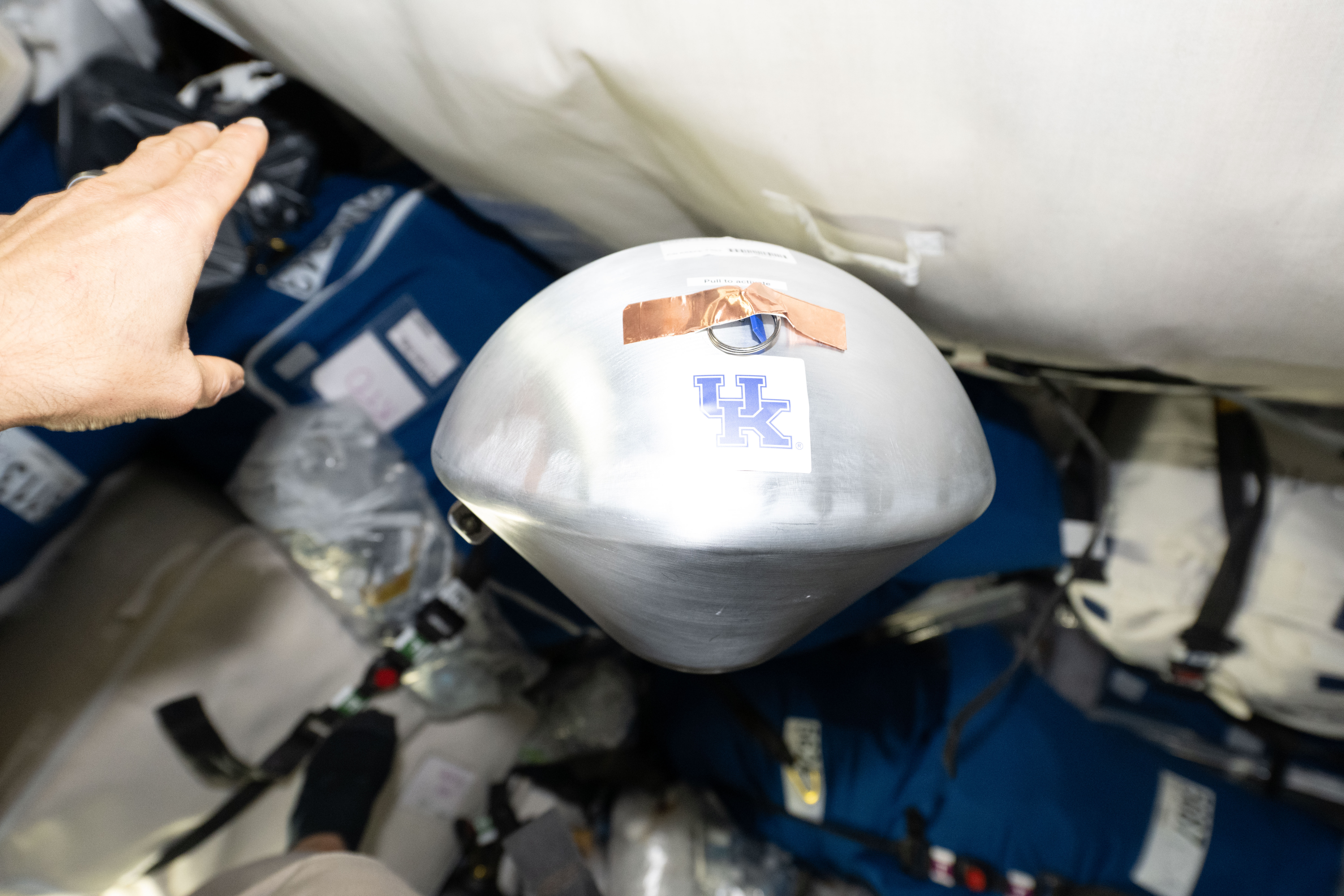
The experiment uses the final stage of a cargo spacecraft’s mission to conduct atmospheric testing without launching a separate dedicated reentry vehicle. Before departure, astronauts loaded Cygnus XL with disposal cargo and activated the experimental capsules developed by University of Kentucky students and research partners.
Each instrumented capsule is designed to record conditions during atmospheric descent. NASA says the sensors will measure temperature, pressure, motion, magnetic field and light. Satellite communications will transmit measurements to researchers as the capsules descend.
Cygnus XL launched April 11 aboard a SpaceX Falcon 9 and delivered approximately 11,000 pounds of supplies and research equipment to the station. NASA describes CRS-24 as the second flight of the larger Cygnus XL variant. Unlike reusable crew spacecraft, Cygnus is intended to be destroyed during its disposal mission.
NASA Tests Multiple Heat Shield Materials and Designs
The capsules carry different thermal protection technologies rather than identical equipment. Some use established materials, including ceramic tile similar to that used on the space shuttle. Others carry experimental components, including a 3D-printed heat shield developed through research involving NASA’s Johnson Space Center and Oak Ridge National Laboratory.
NASA Ames contributed materials known as Materials Engineered for Re-entry using Innovative Needling Operations, or MERINO. These protective layers combine carbon and phenolic fibers in a stitched structure. NASA says they offer potential advantages in flexibility, production time and cost, particularly for missions involving the comparatively thin atmosphere of Mars.
Other capsules examine how different vehicle shapes behave during hypersonic flight. The Kentucky Instrumented Conical Hypersonic Experiment uses a dual-cone design combining a tungsten tip and MERINO protection. Another capsule resembles the aeroshell planned for NASA’s Dragonfly mission to Saturn’s moon Titan and uses Phenolic Impregnated Carbon Ablator to test the design’s dynamic stability.
The experiment also includes a version of NASA’s Adaptable Deployable Entry and Placement Technology, an umbrella-shaped heat shield designed to increase surface area during descent. Additional international research contributions include a heat-flux sensor developed at the University of Stuttgart in Germany. Together, the instruments will allow researchers to compare measured flight conditions with computer predictions.
Building on Earlier University of Kentucky Experiments
KREPE-3 follows earlier University of Kentucky experiments that demonstrated the value of collecting data during a cargo spacecraft’s destructive reentry. In July 2024, the KREPE-2 mission carried five student-built capsules that survived temperatures exceeding 4,000 degrees Fahrenheit and successfully transmitted measurements through the Iridium satellite network, according to NASA.
During that earlier experiment, the capsules were released at approximately 180,000 feet while traveling near 16,000 mph. The resulting data helped researchers investigate the heating and flight conditions experienced by small reentry vehicles.
The current project involves NASA’s Established Program to Stimulate Competitive Research, the University of Kentucky, several NASA centers and domestic and international collaborators. Its objective is to produce flight measurements that can inform future material development and improve models used to predict spacecraft performance during atmospheric entry.
FAQ: KREPE-3 Heat Shield Experiment
What is the purpose of the KREPE-3 experiment?
KREPE-3 is designed to collect atmospheric reentry measurements from experimental heat shields and capsule shapes. Researchers will use the data to assess thermal protection materials and improve predictive computer models.
Will the KREPE-3 capsules return safely to Earth?
The capsules are designed to separate from Cygnus XL during atmospheric reentry and transmit experimental measurements. NASA has not described the mission as a capsule recovery operation.
When will NASA release the KREPE-3 test results?
NASA has not announced a results publication date. Researchers must first receive and analyze the transmitted measurements before drawing conclusions about material performance.
Looking Ahead
The next scheduled milestone is Cygnus XL’s destructive atmospheric reentry on October 12, 2026. The University of Kentucky has organized a public research-data watch event for that date, although successful receipt of every capsule’s measurements has not been established. NASA does not plan to broadcast the spacecraft’s deorbit, and no date has been announced for a final scientific report. The experiment’s significance will depend on the data researchers recover and what those measurements reveal about the proposed heat shield technologies.
Sources
- NASA Ames — NASA Demonstrates Next-Generation Heat Shield Technologies, October 9, 2026
- NASA — Cygnus XL Cargo Spacecraft Released from Station by Canadarm2, October 9, 2026
- NASA — Northrop Grumman CRS-24 Departure Advisory, updated October 8, 2026
- NASA — Northrop Grumman CRS-24 Mission Overview
- NASA — Student-Built Capsules Endure Heat of Re-entry for NASA Science
- University of Kentucky — KREPE-3 Reentry Data Watch Party