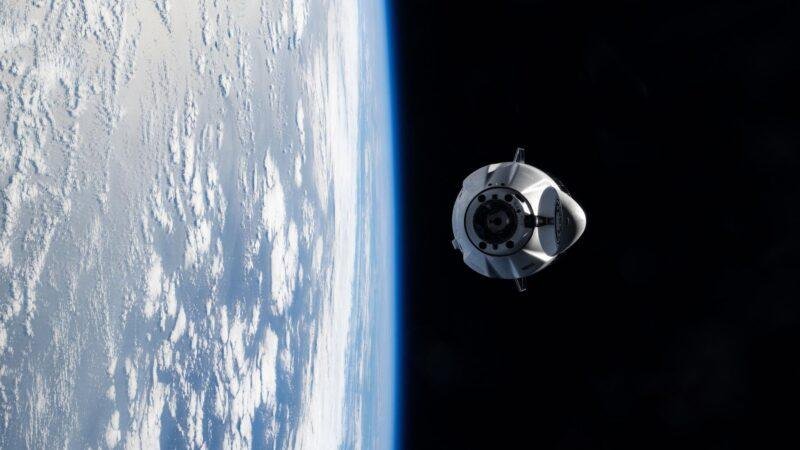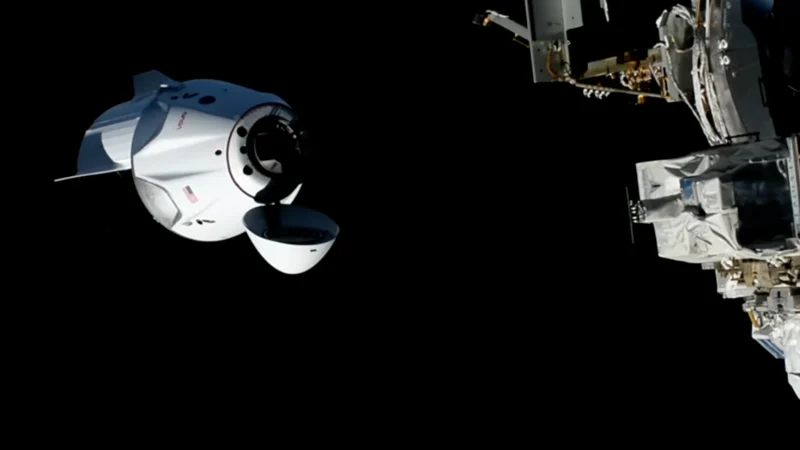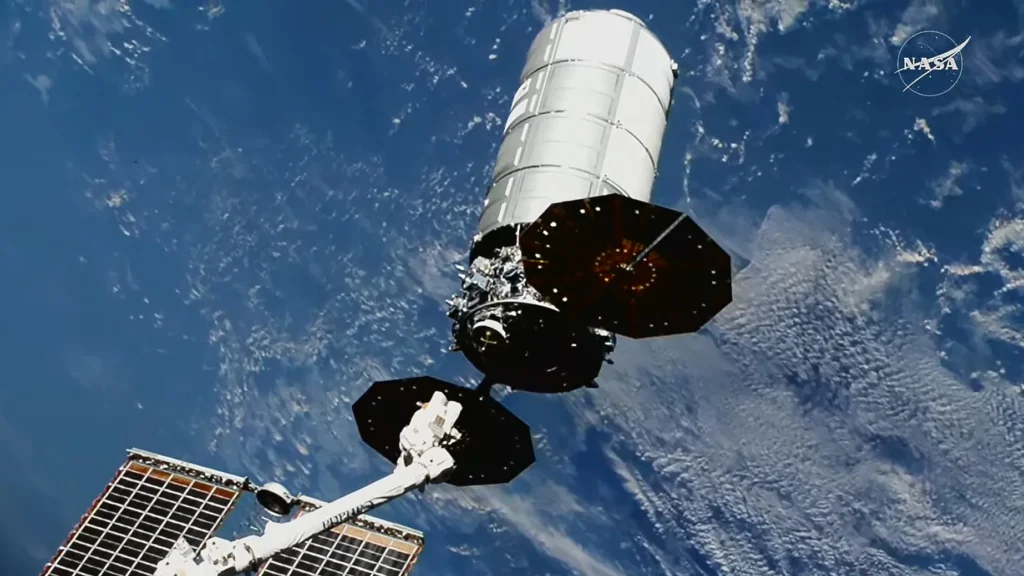
Cygnus XL departure operations ended a nearly six-month stay at the International Space Station on Friday, Oct. 9, when mission controllers released Northrop Grumman’s cargo spacecraft from the Canadarm2 robotic arm at 12:44 p.m. Eastern time over the Pacific Ocean, NASA reported.
The uncrewed vehicle is carrying unwanted station cargo and 12 experimental reentry capsules that NASA intends to use to test thermal-protection materials. Mission controllers plan to deorbit the spacecraft Monday, Oct. 12, for a destructive atmospheric reentry; NASA said it will not broadcast that final descent.
The release closes a resupply visit that began in April and turns the spacecraft’s disposal flight into a research opportunity. The heat-shield experiments are intended to transmit measurements before the host vehicle burns up.
Table of Contents
How the Cygnus XL Departure Unfolded
Controllers used the station’s Canadarm2 arm to detach Cygnus XL from the Earth-facing port of the Unity module and move it away from the complex. NASA recorded the release at 12:44 p.m. EDT while the International Space Station was roughly 260 miles above the Pacific.
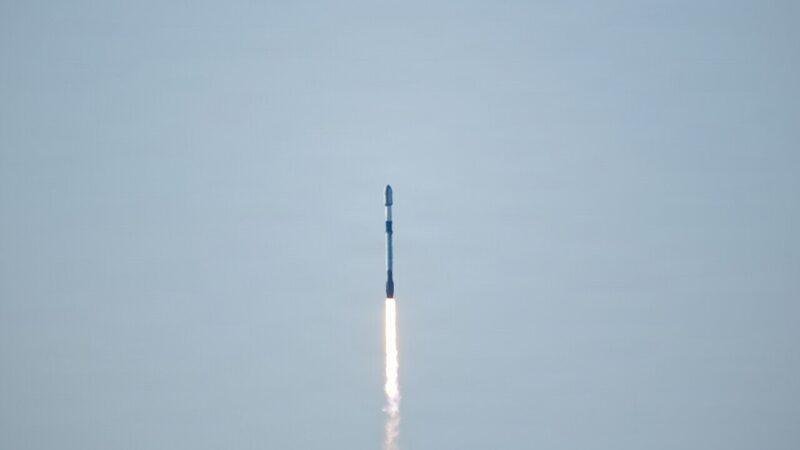
Cygnus XL reached the orbital outpost April 13 after an April 11 launch aboard a SpaceX Falcon 9. NASA said the mission delivered more than 11,000 pounds of supplies, investigations and equipment to its crew and international partners. The spacecraft’s cargo role is distinct from the later disposal mission.
NASA had announced an earlier deorbit estimate of Oct. 11 in a departure preview. The agency’s later Oct. 9 release explicitly moved the planned destruction to Monday, Oct. 12. The newer flight-status notice governs this report.
Why 12 Heat-Shield Capsules Are Aboard
During the Cygnus XL departure mission, NASA’s Ames Research Center says the Kentucky Reentry Probe Experiment-3, or KREPE-3, includes 12 small test capsules accompanying Cygnus XL into reentry. The experiment uses an otherwise routine cargo disposal to gather conditions that are difficult to reproduce completely on the ground.
The capsules are designed to transmit measurements over satellite links during descent. They carry materials and designs for understanding heating and protective behavior, including traditional ceramic tiles, new three-dimensional printed structures and heat-shield concepts that expand during entry.
A NASA article describes work involving Johnson Space Center, Oak Ridge National Laboratory, the University of Stuttgart and other partners. Those contributions are tests of candidate approaches, not announcements that the materials have qualified for crewed missions.
Six Months of Cargo and Station Support
The mission extended beyond delivering supplies. In September, NASA reported that Cygnus XL fired its thrusters to raise the station’s orbit, demonstrating another support role for the visiting cargo spacecraft. The Sept. 25 firing lasted 18 minutes according to the agency’s operations account.
Cygnus XL cannot be recovered intact after this particular flight. Its planned destructive reentry provides a way to dispose of accumulated refuse from the station while gathering experimental information on materials intended to tolerate high entry temperatures.
Results from the KREPE-3 capsules were not available when this story was prepared. NASA has described the telemetry plan but had not announced whether each capsule would transmit successfully or what the measured thermal performance would show.
FAQ: Cygnus XL departure
When was the Cygnus XL departure from the ISS?
NASA logged the release at 12:44 p.m. EDT on Friday, Oct. 9, 2026.
Will Cygnus XL return to Earth intact?
No. NASA plans a destructive atmospheric reentry on Monday, Oct. 12, after the spacecraft carries away station refuse.
What are the 12 experiment capsules testing?
The KREPE-3 payload tests thermal-protection materials and entry technologies while transmitting heat-shield data during descent.
Looking Ahead
NASA plans to deorbit the spacecraft Oct. 12, completing the Cygnus XL departure. The next useful update will be a mission-status and experiment-data report confirming whether the 12 KREPE-3 capsules transmitted results during the planned destructive reentry.
Sources
- NASA — Oct. 9 Cygnus XL release
- NASA Ames — next-generation heat-shield capsules
- NASA — April 13 installation
- NASA — Sept. 25 orbital reboost