NASA SPEARS batteries operated at temperatures as low as minus 80 degrees Celsius during laboratory testing, while separate exposure tests showed that prototype cells survived even colder conditions without damage, the agency reported October 14, 2026.
The research aims to develop more resilient energy storage for future lunar surface missions. SPEARS stands for Solid Power for Extreme Environment Adaptability and Resilience in Space, a project led by NASA’s Glenn Research Center in Ohio.
The distinction between surviving the cold and producing electricity in it is essential: NASA has demonstrated a promising materials result, not a finished battery ready to power a rover on the Moon.
Table of Contents
NASA SPEARS Batteries Survive Extreme-Temperature Tests
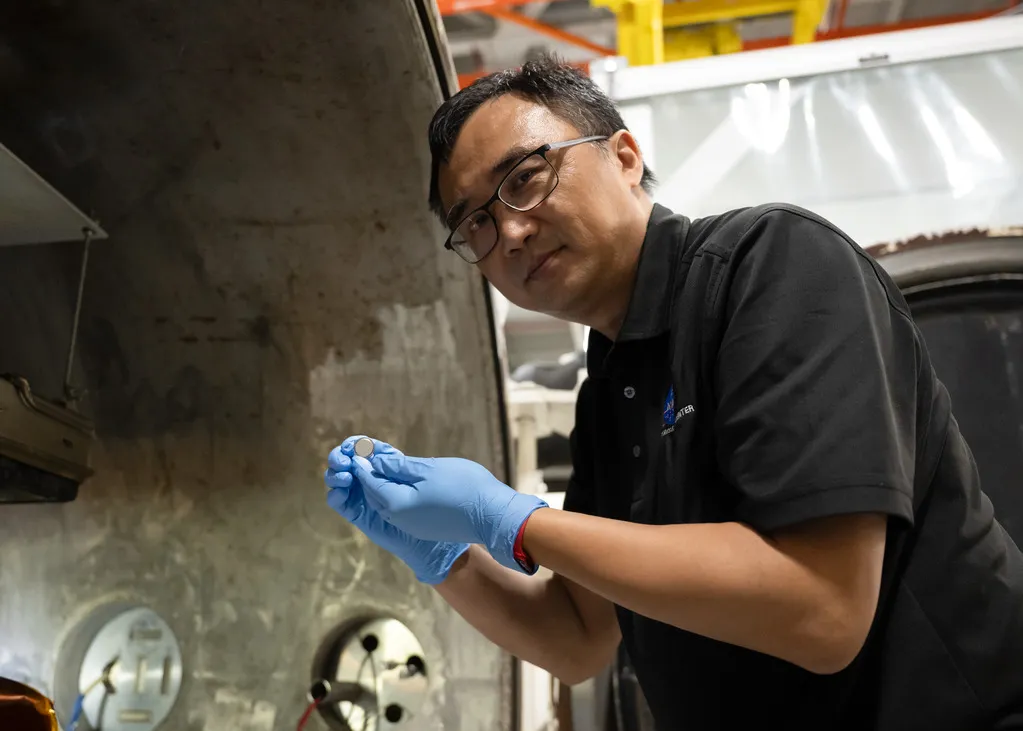
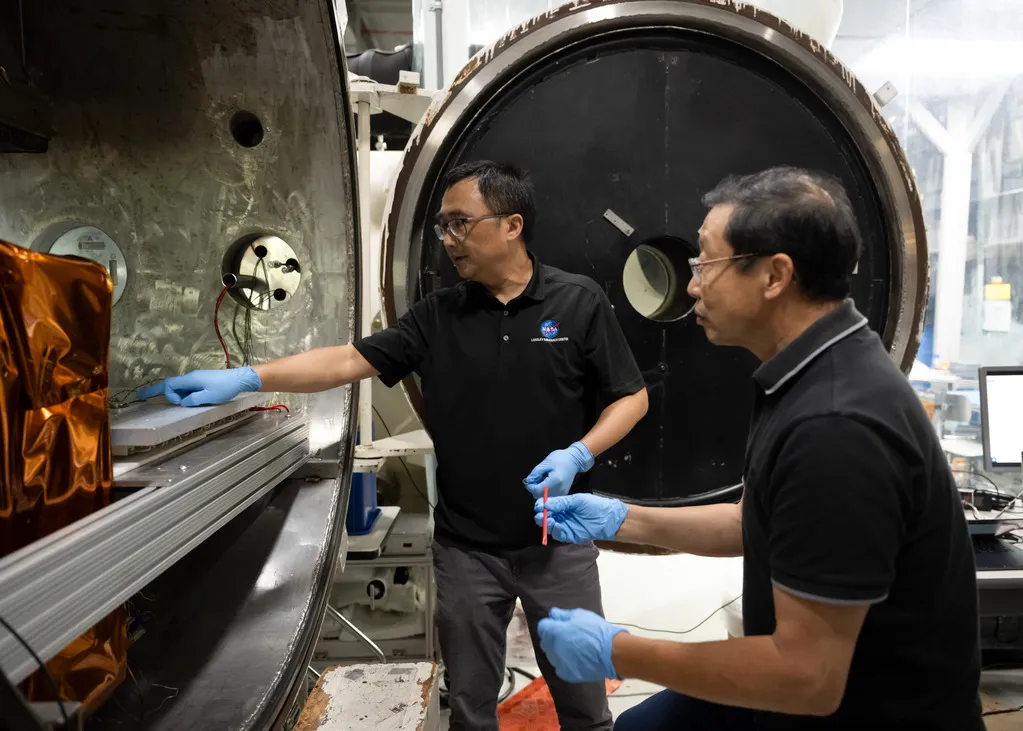
At NASA’s Langley Research Center in Virginia, engineers tested small prototype cells inside a thermal-vacuum chamber. NASA reported that the cells operated well from minus 60 degrees Celsius to plus 80 degrees Celsius, with somewhat reduced performance at minus 80 degrees Celsius.
In another part of the test campaign, cells tolerated exposure across an even wider range, from minus 170 degrees Celsius to plus 100 degrees Celsius, without sustaining damage. That survival result does not mean the batteries can deliver power throughout the full temperature range.
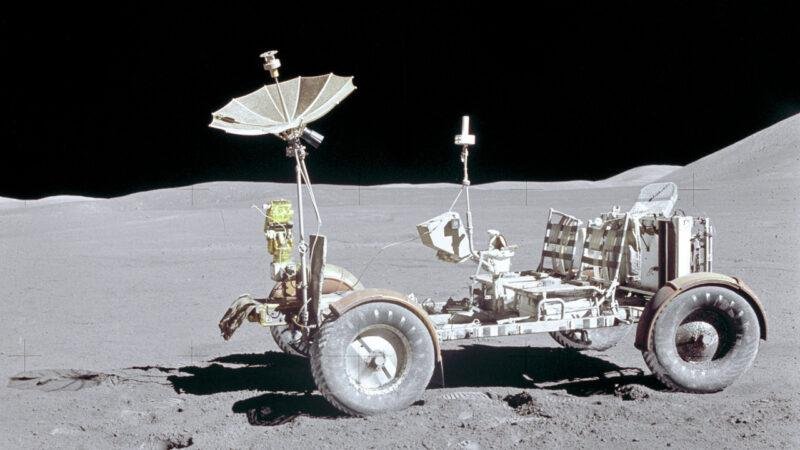
The Moon’s south polar environment can reach approximately minus 200 degrees Celsius at night, according to NASA. A system exposed to such conditions must protect its energy storage and still provide usable electrical power when equipment needs to operate.
NASA Langley researcher Yi Lin described the minus 80-degree operating result as a first for the prototype cells. The announcement did not provide full-scale rover battery results, long-term cycle-life data or a date for an operational lunar deployment.
Why Solid Electrolytes Matter for Lunar Missions
Conventional lithium-ion batteries commonly use liquid electrolytes to transport ions between electrodes. Very low temperatures can limit their performance, while severe thermal and vacuum conditions complicate their protection and packaging for space applications.
NASA SPEARS batteries use a solid ceramic- or polymer-based electrolyte instead. NASA is investigating whether this approach can withstand extreme conditions more reliably and reduce the need to keep a battery continuously warm throughout a long lunar night.
Localized heaters would still be required. NASA specifically notes that the SPEARS cells cannot operate at minus 170 degrees Celsius; they would have to warm to a suitable temperature before delivering useful power again.
That distinction matters to mission design. Thermal-control systems consume energy and add mass, so a battery that can safely cool down during inactivity might eventually free resources for instruments or longer surface operations. Those are potential benefits, not yet measured mission savings.
Possible applications include tools used in permanently shadowed craters, scientific instruments, emergency power packs and small lunar rovers. Different tasks would require different balances of energy storage, instantaneous power and durability.
From Prototype Cells to Flight-Ready Lunar Power
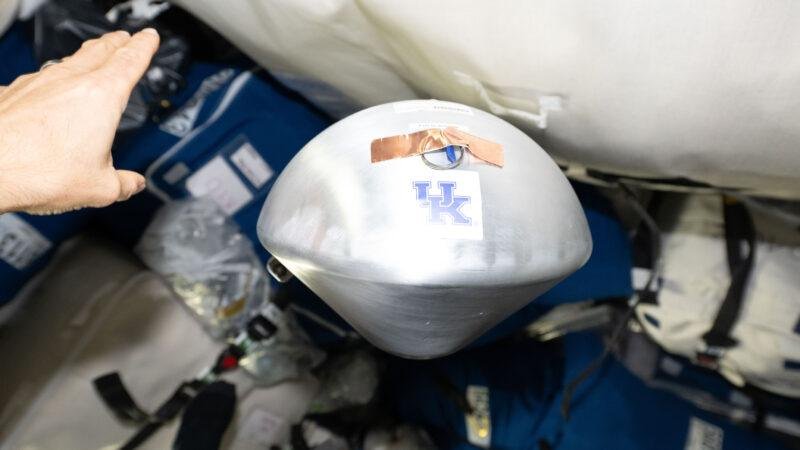
Testing of NASA SPEARS batteries involved small coin-cell prototypes, not a complete flight-qualified battery assembly. An operational system would need protection, wiring, controls, thermal management and verification that it performs reliably after repeated charging and temperature cycles.
NASA said the SPEARS effort began in 2026. Glenn leads the project, Langley conducts testing and materials work, and NASA’s Ames Research Center is developing supporting flight hardware, including boards and electronics for future space-environment tests.
Researchers are also examining how changing electrode materials could tailor solid-state cells for specific uses. The agency sees possible longer-term applications beyond the Moon, including aircraft, vehicles and portable equipment, but commercial products have not been announced.
For now, the achievement is best understood as a research milestone. The results narrow important material questions while leaving significant engineering work between a laboratory cell and dependable equipment operating on another world.
FAQ: NASA SPEARS Batteries
What does SPEARS stand for?
Solid Power for Extreme Environment Adaptability and Resilience in Space.
How cold could the NASA cells operate?
NASA reported operation down to minus 80 degrees Celsius with reduced performance. Survival after exposure to minus 170 degrees Celsius is a different result.
Are NASA SPEARS batteries already flying to the Moon?
No. NASA describes an early-stage research effort using prototype cells, with additional hardware development and testing planned.
Looking Ahead
Further tests of NASA SPEARS batteries will need to establish cycling durability, battery-pack performance and heating requirements before a lunar flight opportunity can be evaluated. NASA has not announced a confirmed Moon deployment date for SPEARS batteries.
Sources
- NASA — Develops Batteries to Power Humanity’s Return to Moon (October 14, 2026)
- NASA Technical Reports Server — Materials Challenges for Solid-State Batteries in Aerospace Applications (2026)