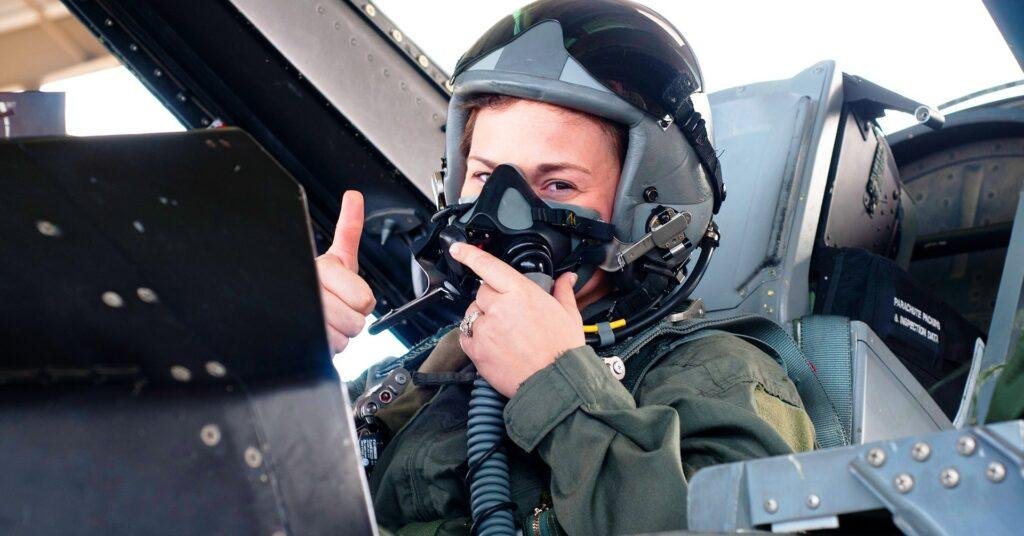
FAA flight deck training — the FAA announced on Oct. 14 that its Flight Deck Training program is returning, giving air traffic controllers opportunities to observe pilots at work aboard eligible aircraft.
The program allows controllers to apply for jumpseat access on commercial, general aviation and military flights to see pilot workload and cockpit procedures firsthand.
Table of Contents
What the announcement establishes
The initiative was paused at the beginning of the pandemic and was reinstated after work with the National Air Traffic Controllers Association, according to the FAA.
Watching flight crews execute clearances can give controllers operational context that is difficult to capture in a classroom alone.
The reinstated initiative concerns the professional perspective of controllers. Seeing how a crew handles checklists, navigation changes, radio traffic and workload provides context for why an apparently simple clearance can require attention and time in the cockpit. The FAA’s Oct. 14 announcement says eligible controllers may seek access aboard commercial, general aviation and military aircraft. It does not describe the initiative as a substitute for simulator training, controller certification or the formal procedures used in active air traffic control.
What the change means
The program is professional training, not an invitation to ordinary passengers to occupy cockpit jumpseats. Eligibility and security requirements continue to apply.
FAA Order JO 3120.29D describes program administration and states the provision cannot be used for personal travel or material gain.
The training arrangement had been paused at the start of the COVID-19 pandemic, creating a lengthy gap in opportunities for first-hand cockpit observation. FAA officials say they worked with the National Air Traffic Controllers Association to bring it back. That collaboration matters because controllers are the intended users of the program and will need to fit observations into their operational responsibilities. The agency did not say that every controller will immediately receive a seat or that all operators will participate without restrictions.
Limits, questions and next steps
The agency views the experience as one means of reinforcing operational knowledge within the national airspace system, rather than a replacement for its controller certification processes.
An updated administrative instrument, FAA Order JO 3120.29D, was issued on Oct. 15 and addresses the Flight Deck Training program and its automated system. The order states that participation is not official or personal travel and may not be used for private financial or material advantage. Those guardrails distinguish a targeted safety-training opportunity from travel perks. The program’s long-term value will depend on access, participation and how lessons from flight-deck observations inform controller understanding, none of which the first announcement quantified.
The reason flight-deck observation can matter is the difference between issuing a clearance and carrying it out. Controllers work with aircraft separation, airspace constraints and traffic flows; flight crews must also manage aircraft configuration, checklists, weather and competing cockpit tasks. Observing those steps directly can provide a richer understanding of how pilots receive and execute instructions. The FAA has not, however, presented evidence that a particular number of observation flights will produce a quantified reduction in incidents.
The administrative restrictions are important to the program’s credibility. FAA Order JO 3120.29D treats participation as a specific professional activity rather than a recreational benefit. Access remains dependent on eligibility, approvals and operator arrangements; the return of the program should not be interpreted as a blanket right to occupy any available cockpit seat. Security considerations are especially relevant because cockpit access is tightly controlled in commercial aviation.
The policy also should not be confused with recurrent training, certification or simulator work. Those mechanisms remain central to controller qualification. Flight Deck Training adds a different perspective by allowing qualified participants to experience the working environment of flight crews. The agency’s initial announcement leaves open how many controllers will participate, how frequently flights will be available, and whether any measurable changes will be reported after reinstatement. Those are reasonable questions for future FAA updates, not facts that can be assumed now.
FAQ: Faa Flight Deck Training
Who can participate in the FAA flight deck program?
The initiative allows eligible air traffic controllers to apply for flight deck observation opportunities on qualifying flights.
Why did the program need reinstatement?
The FAA says it had been paused at the beginning of the COVID-19 pandemic.
Does the order authorize free personal travel?
No. FAA Order JO 3120.29D expressly excludes personal travel or financial and material gain.
Looking Ahead
The program returns under FAA policy; controllers must follow its application and approval process before any training flight.
Sources