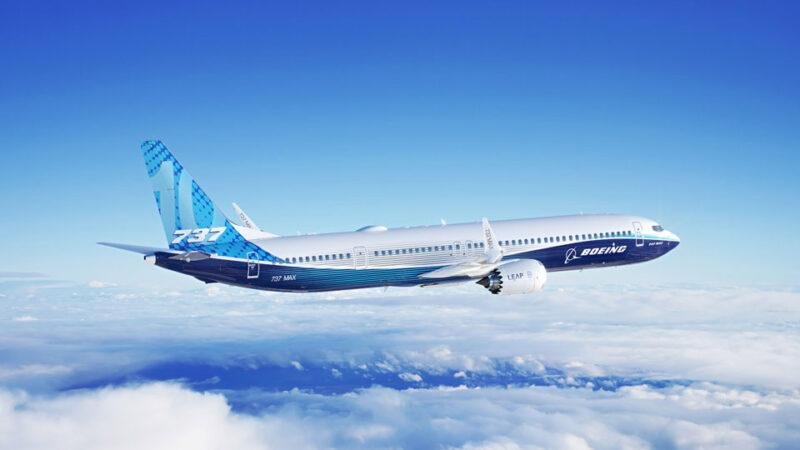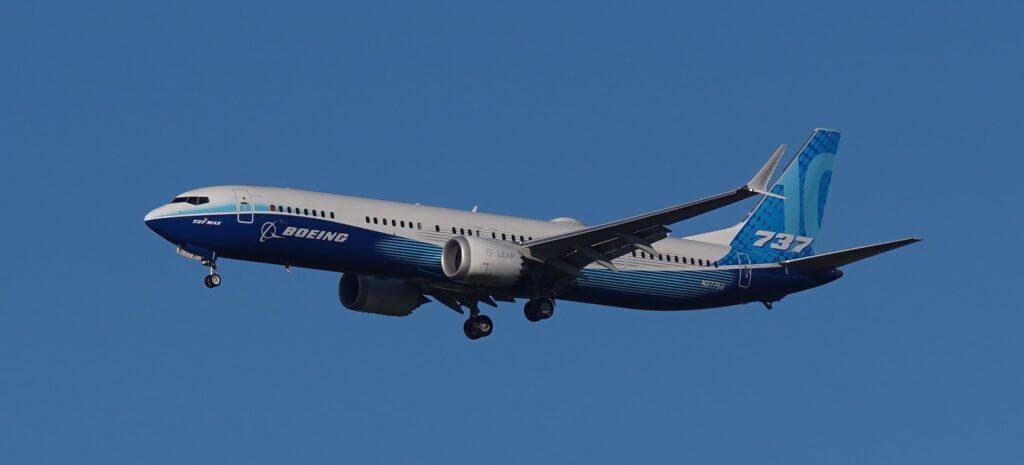
Boeing MAX 10 certification cleared a major regulatory hurdle on Oct. 20 when the Federal Aviation Administration approved the amended type certificate for the largest member of the 737 MAX family. Boeing said the decision allows it to begin delivering the aircraft to airline customers in the coming months. Approval establishes that the design meets applicable requirements; it does not by itself mean any particular aircraft has been delivered or placed in scheduled passenger service.
The announcement brings to a close an extended certification campaign for a model intended to provide more seats on busy short- and medium-haul routes. Boeing said the program included nearly 1,000 test flights, alongside engineering reviews and safety assessments. The manufacturer also disclosed a substantial customer backlog, although orders should not be confused with deliveries.
Table of Contents
What Boeing MAX 10 Approval Covers
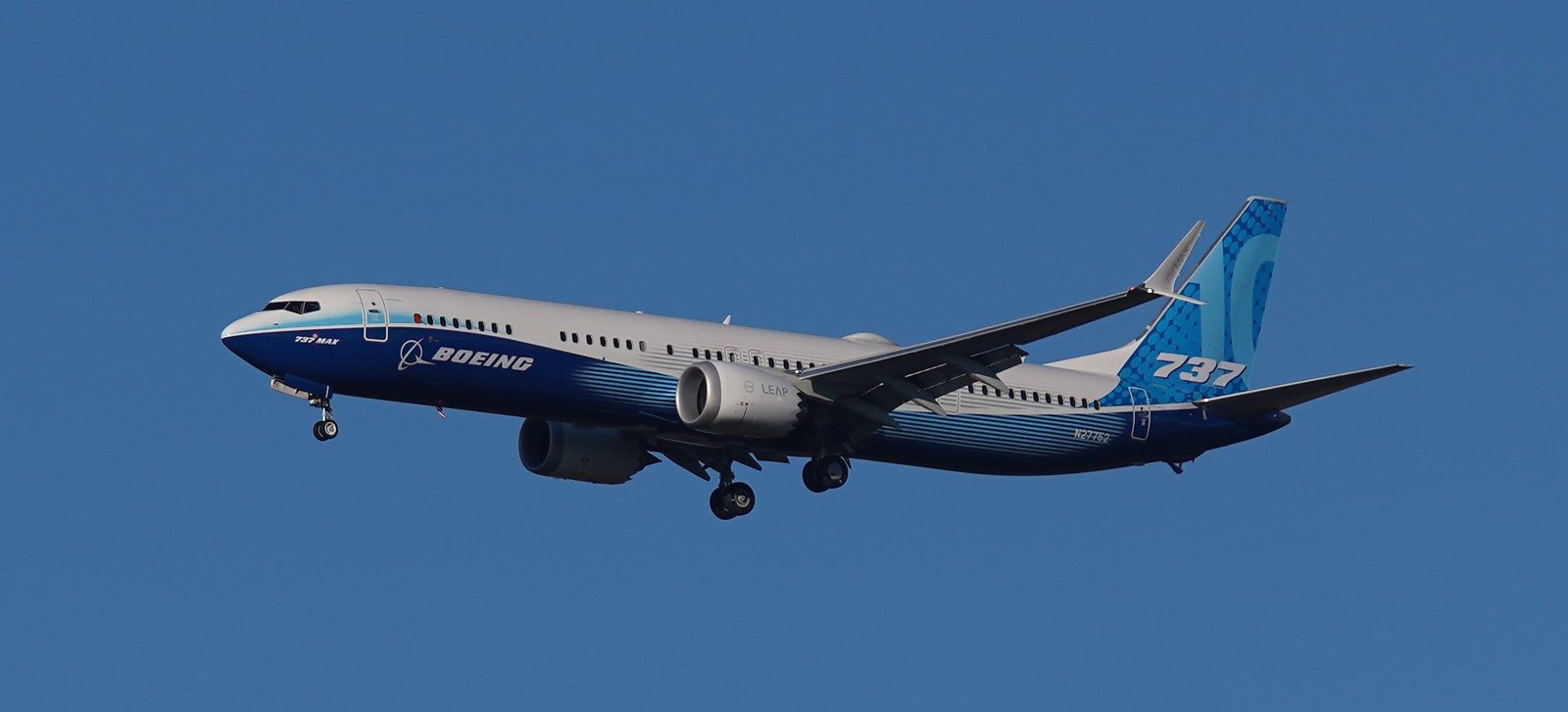
The FAA action applies to the airplane’s amended type certificate, the regulatory approval needed before this variant can enter commercial operations. Certification is a design-level milestone, not a blanket approval for every subsequent production aircraft. Individual airplanes must still meet production and airworthiness requirements, and airlines must complete their own operational preparations. Boeing said its 737-10 is the final MAX variant to receive certification, completing the family lineup.
Boeing advertises a maximum seating capacity of 230 passengers, a configuration that depends on an airline’s chosen cabin layout. The company’s claim that the airplane delivers particularly favorable cost per seat should be attributed to Boeing rather than treated as independently established. Operators may choose a lower-density seating plan to provide different cabin products, legroom or onboard service arrangements.
The primary announcement is available at the original source.
Why Certification Took on Broader Significance
The MAX family has faced elevated regulatory scrutiny since two fatal 737 MAX 8 crashes in 2018 and 2019 and later manufacturing and safety concerns. Those events involved different circumstances, and they should not be presented as findings about the MAX 10 itself. The FAA’s review of this derivative model nevertheless unfolded within a more demanding oversight environment. Associated Press reporting noted the long delay and the importance of the decision for customers planning their fleets.
For airlines, certification removes a major planning uncertainty. Carriers can begin moving from a provisional delivery assumption toward accepting aircraft and training crews. Fleet assignments and announced network plans can still change as aircraft come off the production line. A regulator’s design approval cannot guarantee Boeing will manufacture airplanes at a particular monthly rate or meet each customer’s expected handover date.
Orders, Capacity and the Competitive Picture
Boeing reported 1,555 orders for the 737-10 from more than 30 customers. Orders indicate commercial demand, but order books can include scheduled deliveries years ahead and are subject to commercial changes. The significance of the model is partly its position above the smaller MAX variants in seat capacity. That gives airline planners another option when they want to carry more passengers without moving to a widebody jet.
The Airbus A321neo is a central competitor in the large single-aisle segment. Actual route economics depend on seating, stage length, fuel prices, maintenance agreements and aircraft utilization, so a universal cost comparison would be misleading. The MAX 10’s certification makes an additional airplane available to airlines weighing those trade-offs, rather than settling which manufacturer offers the better aircraft on every route.
What Happens Between Approval and Passenger Service
Boeing can now pursue deliveries under the approved design, while customers prepare crews, schedules and technical support. The manufacturer has not established a single date when all MAX 10 customers will receive their first aircraft. Each carrier’s entry-into-service timetable will depend on its own readiness and its place in the delivery sequence. Readers should distinguish the date of the FAA decision from later airline milestones.
The industry will be watching delivery performance, reliability reports and initial operational experience after the first aircraft join fleets. Those developments will provide a clearer picture of what the certification means for passengers and airlines than order figures alone.
FAQ: Boeing MAX 10
Has Boeing MAX 10 entered airline service?
No. The FAA certified the design on Oct. 20, while Boeing said customer deliveries could begin in the coming months. Airline service requires additional steps.
How many passengers can a 737-10 carry?
Boeing advertises a maximum configuration of 230 seats. Each airline determines its actual passenger capacity through cabin layout and operating choices.
Does certification mean every aircraft is already approved?
No. Type certification approves the design; production airplanes and their operators must still satisfy the applicable airworthiness and operational requirements.
Looking Ahead
The next verifiable Boeing MAX 10 milestones will be the first customer deliveries and airline service announcements. Until they occur, routes, handover timing and early fleet performance should be described as plans or expectations, not completed operations.
For related TAD reporting, see Boeing commercial deliveries.
Sources