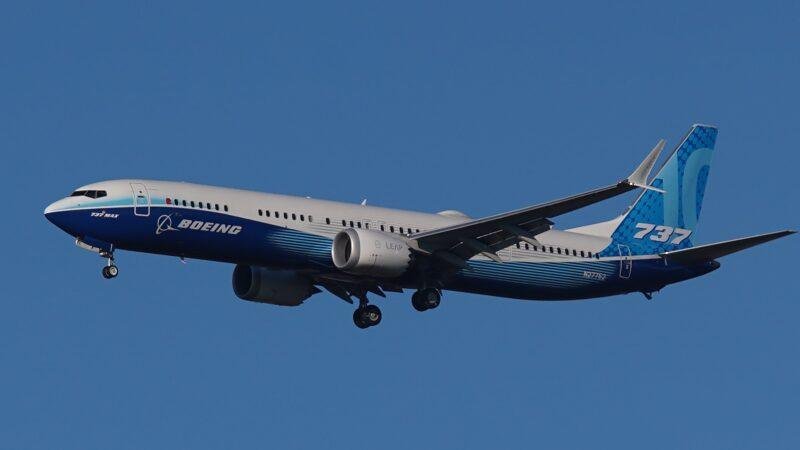
Boeing 737NG inspections will be required on certain older-generation 737 jets under a U.S. Federal Aviation Administration airworthiness directive published on Oct. 19, 2026. The rule takes effect Nov. 23 and targets excessive movement in the horizontal-stabilizer system after operators reported pitch oscillations.
The FAA estimates that 1,987 U.S.-registered airplanes are covered. The directive applies to specified 737-600, -700, -700C, -800, -900 and -900ER aircraft identified by Boeing service documentation; it does not automatically apply to every Boeing 737 in operation.
The agency said the unsafe condition could lead to flutter and potentially loss of aircraft control if not addressed. The new rule sets out measurements and corrective actions rather than reporting a new crash or ordering an immediate fleetwide grounding.
Table of Contents
Boeing 737NG Inspections Focus on Stabilizer Freeplay
The horizontal stabilizer helps control an aircraft’s pitch. Its mechanical attachments and adjustment system must remain within specified movement limits. Excessive freeplay can produce unwanted motion, so the FAA is requiring checks of the stabilizer pivot hinges and the jackscrew rather than relying only on reports from flight crews.
According to the published final rule, Boeing Alert Requirements Bulletin 737-55A1104 RB, dated June 12, 2025, describes the required measurements. The bulletin also establishes further steps when measured movement exceeds specified limits. Operators must use the applicable compliance intervals instead of assuming every aircraft requires identical maintenance.
Depending on what technicians find, follow-up work can include repeated measurements, determining total freeplay or repairing and replacing worn components. The directive also requires certain checks after corrective work to ensure the system has returned to acceptable limits. The FAA adopted these actions following comments on an earlier proposal.
Affected Fleets, Cost and Compliance Schedule
The FAA calculated a basic measurement cost of six labor hours per airplane at $85 per hour, or $510, excluding parts. Across 1,987 U.S.-registered aircraft, that produces an estimated $1,013,370 for the initial measurement procedures. Actual operator bills could rise when worn components require additional work.
Nov. 23 is the date the rule becomes legally effective, not a deadline requiring every affected aircraft to be checked that day. Individual inspection thresholds and repeat intervals come from the Boeing requirements bulletin incorporated into the rule. Airlines must account for aircraft configuration, maintenance records and any previous work when planning compliance.
The FAA rejected a request to broadly extend certain inspection intervals, explaining that the selected intervals support an acceptable fleet safety level. It also described a formal alternative-method-of-compliance process, under which operators can seek approval for equivalent procedures supported by safety data.
Why the Rule Matters Beyond One 737 Model
The 737NG family remains important to passenger and cargo networks, so even routine inspections can have scheduling and maintenance implications. The directive identifies a specific control-surface issue, however, and should not be described as evidence that all aircraft in the family have failed or are unsafe to fly.
This action concerns a different generation and technical issue from the FAA certification milestones covered in TAD’s 737 MAX 10 report. Confusing separate 737 programs would misstate both the affected population and the remedy.
The FAA’s documentation records comments from manufacturers, airlines and pilot representatives. Their discussion focused on inspection intervals, previously completed checks and acceptable repair pathways. Those details illustrate that a final airworthiness directive is a regulated maintenance instruction, not a determination about the cause of any particular accident.
FAQ: Boeing 737NG inspections
What are Boeing 737NG inspections checking?
They measure excessive horizontal-stabilizer freeplay at pivot hinges and the jackscrew. The FAA specifies additional action when measurements exceed limits.
Does the FAA directive immediately ground 1,987 airplanes?
No. The published rule establishes an effective date and compliance requirements based on the incorporated Boeing service bulletin; it does not announce an immediate blanket grounding.
Which 737 models are covered?
Specified 737-600, -700, -700C, -800, -900 and -900ER aircraft identified in Boeing’s requirements bulletin are covered. The directive is not a general order for every 737 variant.
Looking Ahead
The Boeing 737NG inspections rule becomes effective Nov. 23, 2026. Operators must review aircraft applicability and the incorporated Boeing instructions, then schedule the appropriate measurements and any necessary corrective work within the stated compliance windows.
Sources