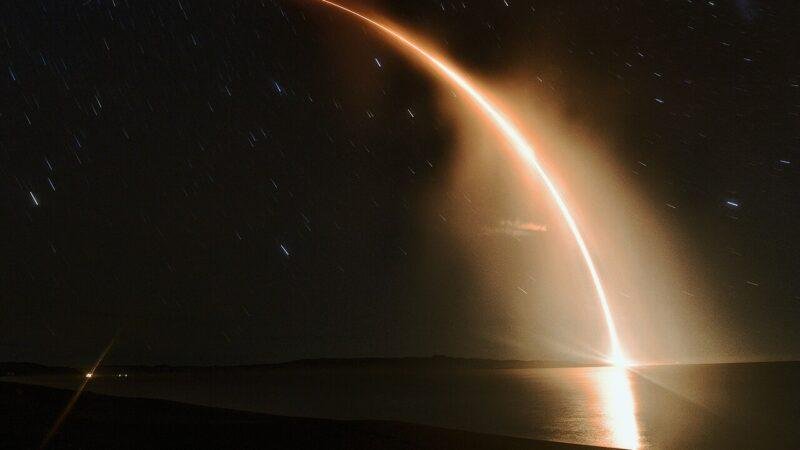
The Long March 8A launch from Wenchang on November 20 sent another group of internet satellites toward low Earth orbit, according to Chinese state media and launch tracking reports.
China in Space reported that the rocket lifted off at 19:59 Beijing time. Xinhua identified the payload as the 30th group of low-orbit internet satellites, listed by launch trackers as SatNet LEO Group 30. The reporting describes an addition to China’s satellite internet constellation rather than the first flight of the rocket.
Table of Contents
What the Long March 8A launch carried
The new group is associated with China’s satellite internet network, commonly called Guowang. The launch records provide a group number, a rocket type and a time. The cited public reporting does not provide a complete satellite-by-satellite manifest.
Group naming is useful for comparing successive launches, but the group number is not a count of satellites aboard the rocket. The available evidence is strongest for the launch and its designation. Orbital catalog updates or a fuller statement from program authorities would provide additional evidence on individual spacecraft.
Where and when the flight took place
The rocket launched from the Wenchang commercial launch site in Hainan. The local launch time corresponds to 11:59 UTC on November 20. The China in Space account identifies the rocket as the Y13 vehicle in its reporting on the event.
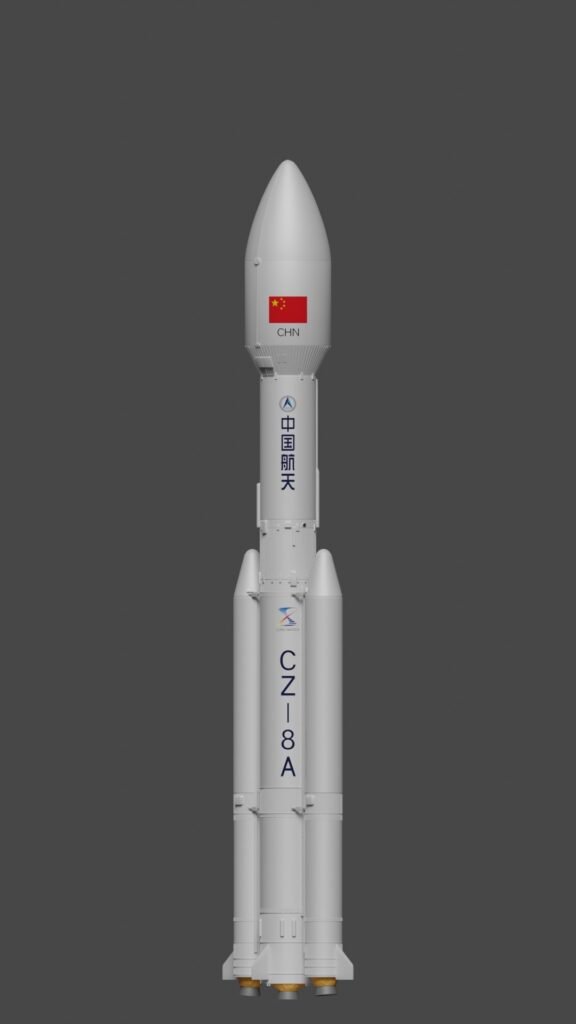
For launch records, the site and vehicle are important because different versions of the Long March family can fly from different Chinese launch centers. The image accompanying this story is a rendering of the Long March 8A. It illustrates the launch vehicle without reproducing imagery from this specific flight.
Why constellation deployments are reported in groups
A satellite constellation is assembled over successive flights. A launch adds another group to that effort, while orbital checkout and service availability happen later. Launch coverage can document when a group left Earth without establishing that every satellite is already providing operational service.
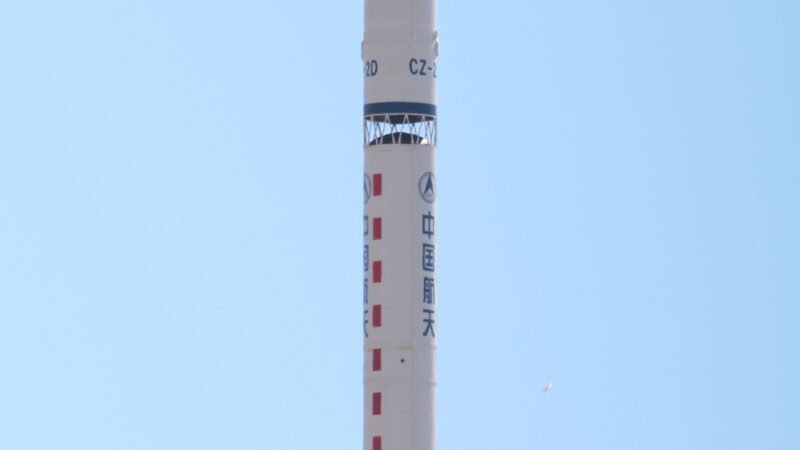
TAD’s reporting on the separate Long March 2D launch identified a different rocket and a different payload. The Wenchang flight is a separate development. This update follows a deployment for the internet constellation, with the group’s full makeup and operational status still open in the public sources.
The group number also helps researchers distinguish the Long March 8A launch from other launches with similar naming. For people following the constellation, the public milestones are a sequence of filings and observations. Liftoff can be documented quickly, while matching individual objects in orbit requires other evidence.
FAQ: Long March 8A launch
When was the Long March 8A launch?
The rocket lifted off on November 20 at 19:59 Beijing time, or 11:59 UTC.
What mission name do launch trackers use?
They label the payload SatNet LEO Group 30.
Does the group number tell us how many satellites flew?
The number identifies the group in the launch records. The cited accounts do not provide a confirmed individual satellite count.
Looking Ahead
Updates to orbital catalogs and program announcements could add details about the satellites after deployment. The reported liftoff establishes the latest public launch milestone for this group, while any service or commissioning information would be a separate development.
Sources
- China in Space launch report
- Xinhua launch report
- The Aviation Diary on the separate Shijian-24 launch
- Featured illustration credit — Shujianyang (CC BY-SA 4.0)
Related profiles