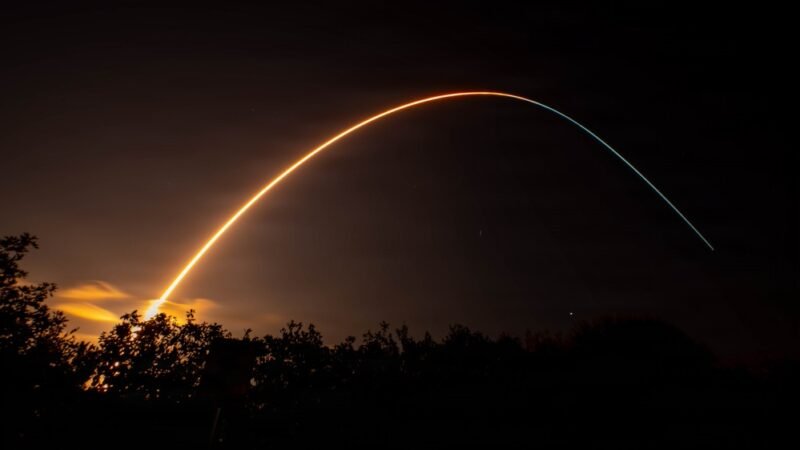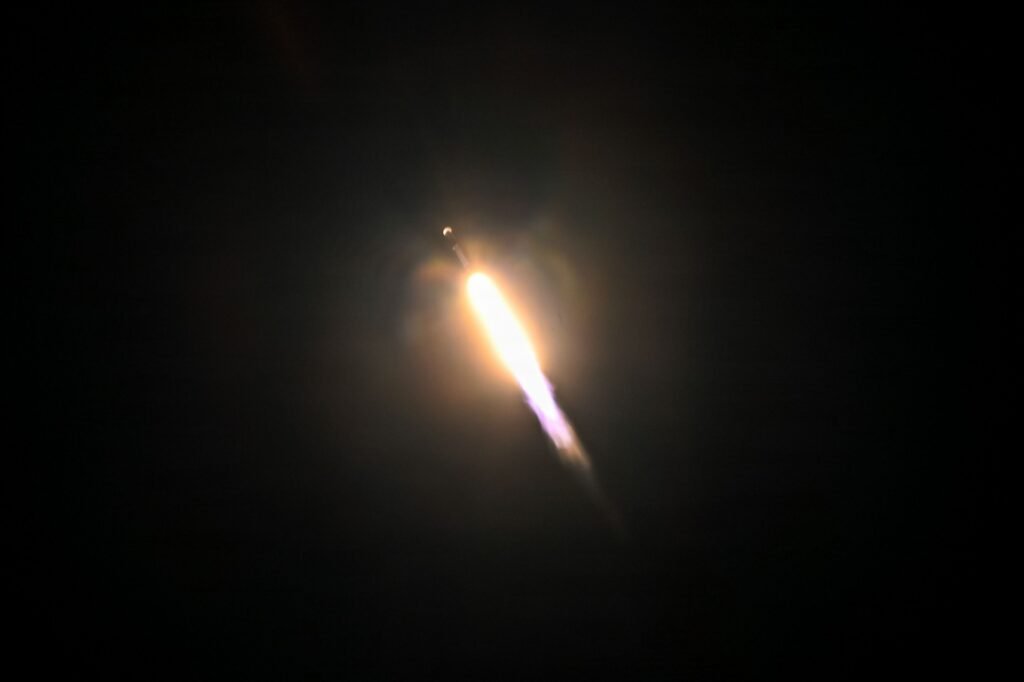
The USSF-317 launch lifted off from California on November 20, carrying an undisclosed payload for the United States Space Force on a Falcon 9 whose first stage subsequently landed at sea.
Spaceflight Now reported that liftoff from Vandenberg Space Force Base took place at 8:20 p.m. Pacific time. The launch occurred on November 21 in UTC, explaining why international launch calendars can display the following date.
Table of Contents
What the USSF-317 launch confirmed
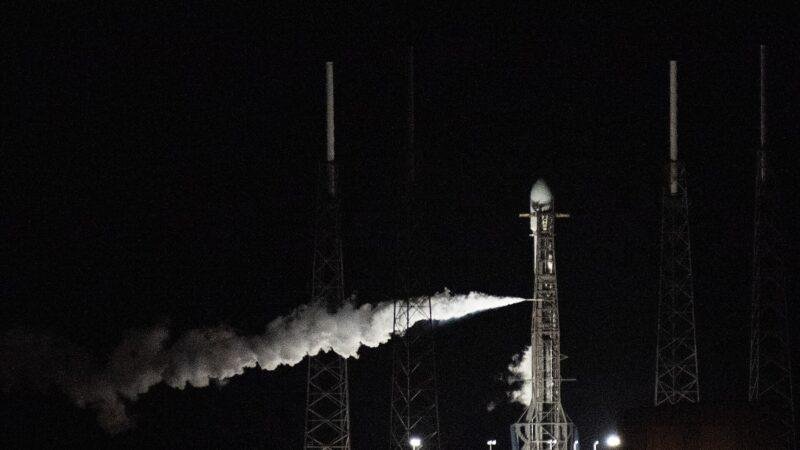
The rocket flew from Space Launch Complex 4 East. The published launch coverage identifies the mission number, vehicle and time. A U.S. Space Force photograph shows the rocket’s engines igniting for the mission and identifies the same pad.
The customer name and mission number are public. Spaceflight Now reported that the number of satellites carried was undisclosed. Claims about the payload’s function or what happened after ascent should be kept separate from the publicly observed launch and recovery.
How the booster returned
Spaceflight Now identified the Falcon 9 first stage as B1100 and described the mission as the booster’s 11th flight. The stage landed on the droneship Of Course I Still Love You in the Pacific a little more than eight minutes after liftoff, the outlet reported.
That landing concluded the visible part of the booster’s role. It records recovery of the reusable first stage, while the upper stage and payload continued on a separate portion of the mission. The exact flight number matters because the same first stage has operated on several different missions.
How the launch date moved
Vandenberg’s public-affairs notice had listed a Thursday window and a Friday backup. Spaceflight Now reported Thursday’s attempt was scrubbed and gave no reason. The Friday liftoff followed the earlier published backup date, although the notice itself did not confirm that the mission flew.
TAD’s coverage of the Vulcan launch investigation dealt with a different rocket and mission. In this case, independent reporting and the official launch photograph establish the liftoff, and reporting establishes booster recovery. Public information on the classified payload remains limited.
The launch time and the date can also look different across records because Vandenberg operates on Pacific time, while many launch trackers publish in UTC. Using the time zone alongside the clock reading makes it possible to match the independent account with the military photograph and identify the USSF-317 launch.
FAQ: USSF-317 launch
When did the USSF-317 launch lift off?
The Falcon 9 lifted off at 8:20 p.m. Pacific time on November 20, which was 04:20 UTC on November 21.
Where did the Falcon 9 booster land?
It landed on SpaceX’s Of Course I Still Love You droneship in the Pacific, according to launch reporting.
Has the Space Force identified the payload?
The public sources identify the mission as USSF-317 and do not disclose payload details.
Looking Ahead
A later Space Force statement could add information about mission status. The available public record establishes the time and place of liftoff and the first-stage recovery, with the launch photograph providing direct documentation of the event.
Sources
- Spaceflight Now launch coverage
- Vandenberg Space Force Base public advisory
- U.S. Space Force event photograph
- The Aviation Diary on the Vulcan investigation
- Featured photo credit — U.S. Space Force/Staff Sgt. Joshua LeRoi (U.S. public domain)