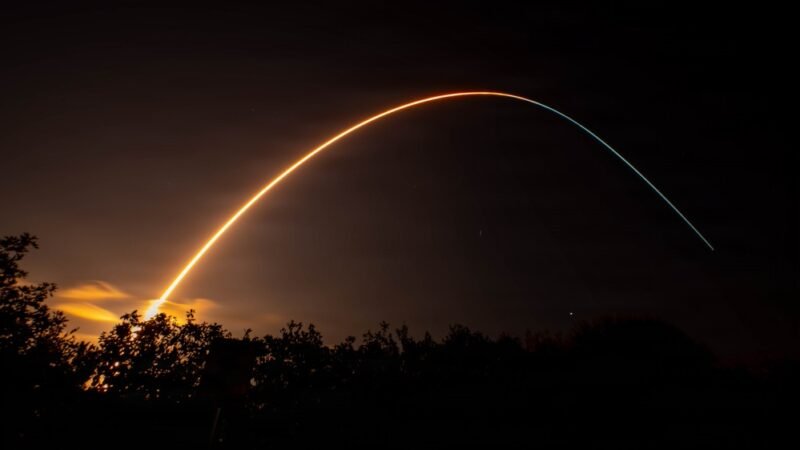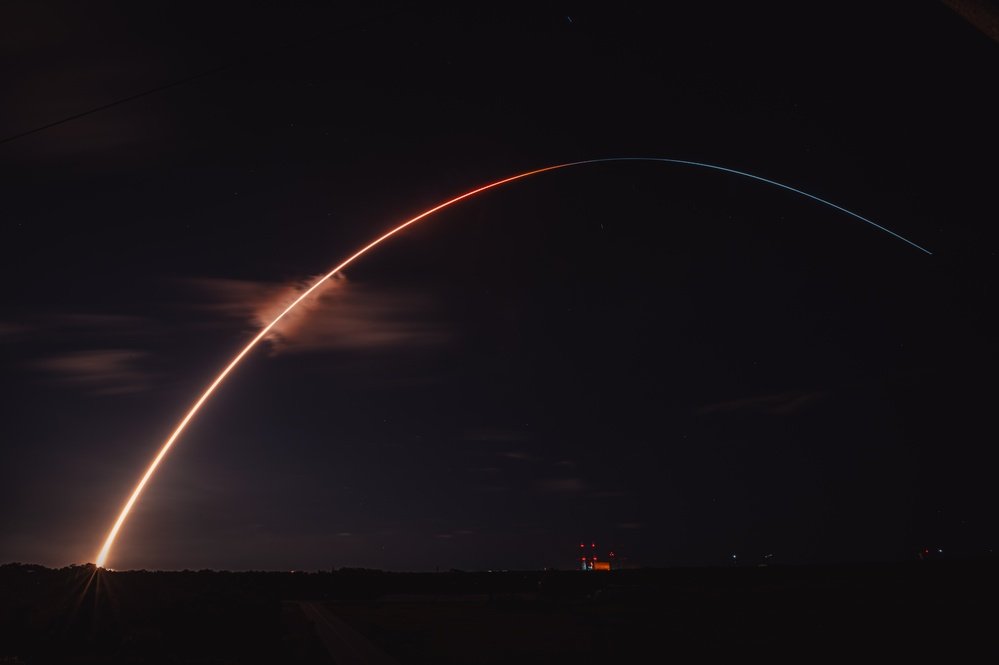
Vulcan fuel supply became the focus of a Nov. 18 update from United Launch Alliance after an initial flight-data review of the failed Leo 1 mission. The company said preliminary evidence pointed to inadequate fuel delivery from the launch vehicle to its BE-4 engines, which would explain the low thrust recorded early in the flight.
The Nov. 15 launch from Cape Canaveral Space Force Station ended without reaching orbit. ULA’s updated mission statement gives the first company finding on the fuel-feed question. Investigators are still working to establish what caused the inadequate supply.
Table of Contents
What the Vulcan fuel supply finding adds
In its first technical update on Nov. 17, ULA reported weak booster performance shortly after liftoff. The company said Vulcan separated its stages at an altitude and speed below what it needed to reach orbit. At that point ULA had identified where in the flight the shortfall mattered, while leaving open what had produced it.
TAD’s earlier account of the booster shortfall reported that outside sources had raised the possibility of a problem feeding the engines. The Nov. 18 statement changes the standing of that explanation. ULA now says its integrated review of flight data supports it as a preliminary finding. The company has yet to identify the specific fault that led to insufficient fuel delivery.
That distinction matters for the investigation. The new statement addresses the supply the engines received during this flight. Establishing why that supply was inadequate is a separate step, and the update gives no component-level diagnosis or corrective action.
What happened after the booster lost thrust
ULA said the upper stage appeared to start normally and that its RL10 engines operated as planned. The stage was unable to make up the performance lost during the booster phase. Starting normally and reaching the intended orbit are different milestones, and the company’s account explains how the upper stage could meet the first and still fall short of the second.
The company also said available indications pointed to normal operation of the solid rocket boosters after nozzle changes introduced for this launch. Those observations help explain the focus on the liquid-fueled booster, while the investigation continues to review the flight as a whole.
Mission controllers lost telemetry about 10 minutes into flight, according to ULA’s initial account. TAD’s first mission report details the loss of the Amazon Leo payload. The new statement concerns what happened well before telemetry was lost, during the part of the ascent when the booster had to build the speed needed for the upper stage to finish the job.
What remains for the investigation
ULA is leading the investigation under FAA oversight. The company said the FAA will review and approve the final report, including corrective actions. The initial data review narrows the inquiry, while the final report is the place to look for a documented cause and what ULA will do about it.
The vehicle’s return depends on what investigators establish and how the resulting actions are handled. ULA’s Nov. 18 statement gave no schedule for a final report or the next Vulcan flight. A timetable based on the preliminary finding alone would go beyond what the company disclosed.
FAQ: Vulcan fuel supply
What did ULA say about Vulcan fuel supply?
The company said initial evidence points to inadequate fuel delivery from the vehicle to the BE-4 engines during Leo 1. It is still investigating why.
Did the upper stage start?
ULA said the upper stage appeared to start normally, but it could not recover the speed and altitude lost during the booster phase.
Who oversees the mishap investigation?
The FAA oversees the ULA-led investigation and will approve the final report, including corrective actions.
Looking Ahead
The next substantive milestone is a finding that explains why the Vulcan fuel supply fell short and identifies any corrective action. ULA said it will share further updates as information becomes available.
Sources
- United Launch Alliance’s Leo 1 mission updates
- TAD’s earlier report on the booster shortfall
- TAD’s initial Leo 1 mission report
- Featured photo by U.S. Space Force photo by Gwendolyn Kurzen (U.S. public domain)