FAA modernization funding moved back before Congress on Nov. 17 as Transportation Secretary Sean Duffy and Federal Aviation Administrator Bryan Bedford pressed for an additional $50.1 billion for the air traffic control system. The officials made their case after a Nov. 13 communications and radar disruption led to a nationwide ground stop.
The Transportation Department’s briefing outlined the request alongside an update on the outage investigation. Separately, Rep. Laura Gillen of New York asked Duffy to testify before the House Transportation and Infrastructure Committee, seeking answers about the outage and the use of money Congress had already provided.
Table of Contents
What the FAA modernization funding would cover
Duffy tied the new request to the network that moves information across the air traffic system and to the tools controllers use to manage airspace. He described work under way to replace copper connections with fiber and analog equipment with digital systems, while arguing that the network still needs a more resilient architecture.
The secretary also pointed to the age of software used to manage airspace and said the department wants to replace it. The funding announcement sketches the scope of the work. It leaves Congress to decide whether to appropriate the money and under what terms.
At the briefing Duffy cited new radar equipment as an example of how delivery and spending can occur at different times. He said the department had contracts for radars being built at facilities in Florida and Kansas and expected to pay when it received them. That timing distinction is relevant to the debate over how to assess progress on money already in the program.
What Congress had already provided
Gillen’s letter points to $12.5 billion appropriated in July 2025 and another $1.9 billion in fiscal 2026 appropriations. Those figures add up to $14.4 billion. She asked Duffy to explain how the department has used that money, what further upgrades are needed and how the planned work would help prevent another disruption.
DOT said the $12.5 billion has been allocated and that work supported by it is on track for full implementation by the end of 2028. Gillen cited separate figures for money formally obligated and spent. An allocation, a legal commitment to spend and a payment are different points in the funding process, so the figures describe different stages.
Gillen’s request was for Duffy to appear before the committee and answer questions. Her statement did not announce a hearing date. The new FAA modernization funding request remains a proposal.
How the ground stop figures in the debate
TAD’s earlier outage report covered DOT’s description of abnormal router traffic during a network transition. In the Nov. 17 update, Duffy said the router began broadcasting into the network and overloading it. DOT said normal air traffic operations had resumed.
That account gives lawmakers an example of the reliability issues they are asking the department to address. The federal government has yet to announce a final public root-cause report, and the funding proposal by itself does not resolve how the installation, equipment and network configuration contributed to the outage.
FAQ: FAA modernization funding
How much FAA modernization funding did DOT request?
Duffy described an additional $50.1 billion request. Congress would need to act before that money became available.
Is there a date for Duffy’s House testimony?
Gillen requested testimony before the House Transportation and Infrastructure Committee. Her Nov. 17 statement did not give a date.
Has the FAA lifted the nationwide ground stop?
Yes. DOT said normal operations had resumed, and officials continued reviewing what caused the disruption.
Looking Ahead
Watch for a committee hearing notice, further detail on the additional FAA modernization funding request and a public account of the corrective actions from the outage investigation.
Sources
- DOT’s Nov. 17 briefing
- Rep. Laura Gillen’s letter and statement
- TAD’s report on the nationwide ground-stop investigation
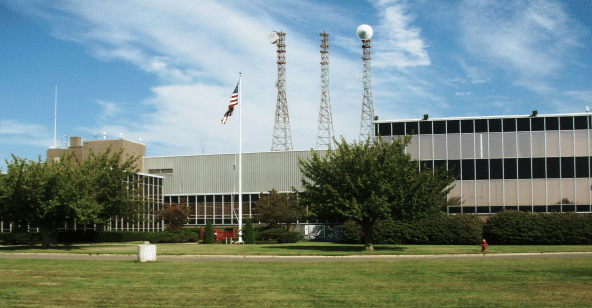
- Featured photo by Federal Aviation Administration (U.S. public domain)