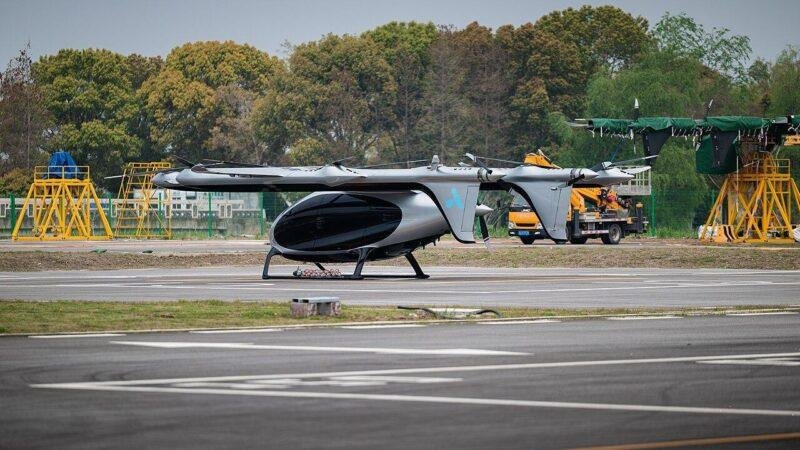
The Atea prototype rolled out near Toulouse on November 19 as French developer Ascendance moved its full-scale hybrid-electric vertical takeoff and landing demonstrator into ground testing ahead of planned piloted flight trials.
Aviation International News reported that Ascendance had started ground testing and was working toward permission to fly. AeroTime reported from the unveiling at Muret-Lherm airfield near Toulouse. The public presentation and the start of ground work are separate milestones from a first flight.
Table of Contents
What the Atea prototype rollout establishes
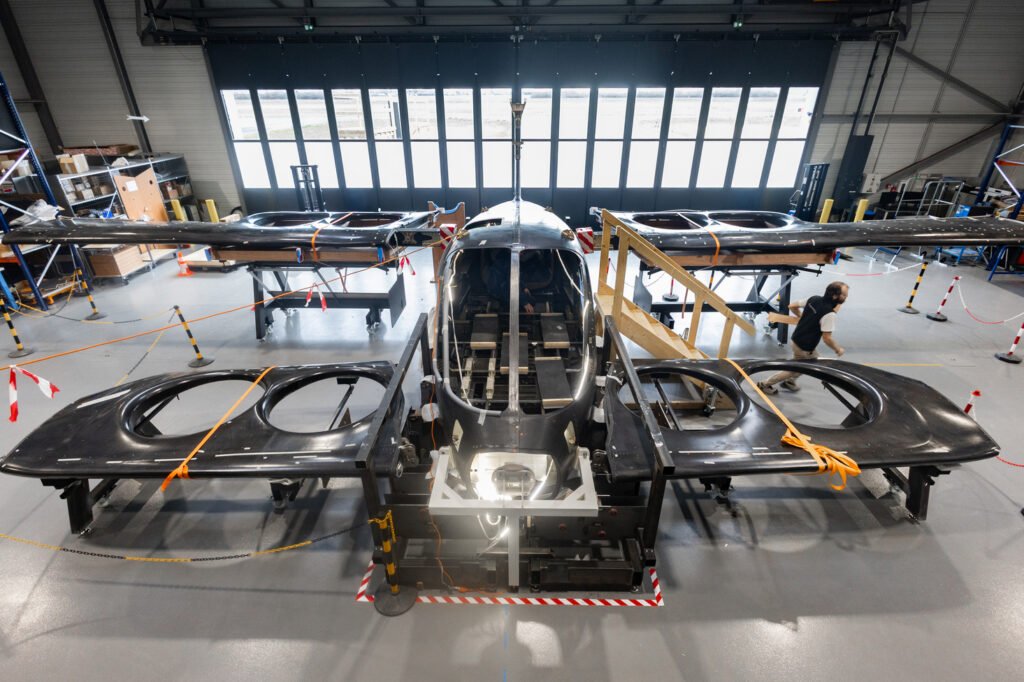
The event showed a full-scale demonstrator of Ascendance’s proposed passenger aircraft. The company’s media center also shows the aircraft during assembly. The rollout provides a reference point for the program’s transition from building the prototype to testing it on the ground.
The developer describes a hybrid-electric aircraft that can take off and land vertically. Its Sterna system is being developed for the Atea and is also being offered for other aircraft applications, according to AIN. That gives the company an aircraft program and a separate propulsion offering.
What comes before piloted testing
Ascendance said it was seeking a permit to fly before beginning piloted flight testing. Ground tests can establish whether the assembled aircraft and supporting systems are ready for the next phase. The rollout reporting does not establish that the aviation authority has already issued the permit.
Prototype programs often publish performance targets during development. A measured result, a flight authorization and a public rollout each carry different weight. Here the confirmed developments are the unveiling and the reported start of ground testing.
How the demonstrator fits the wider program
A single demonstrator gives Ascendance an aircraft on which to gather evidence. It does not establish a fleet delivery date, an approval for passenger service or a production schedule that a customer can book against. Those points will depend on the next phases of the program and regulatory review.
TAD’s coverage of SkyDrive’s Kyushu partnership concerned another advanced-aircraft program at a different stage. The Atea story has a concrete airframe milestone. For this program, a permit and a completed first flight would provide the next public measures of progress.
The Atea prototype rollout gives observers a first look at a full-scale airframe, which is a milestone for judging whether the programme has moved beyond models and renderings. Evidence for performance will come from later tests, and the ground phase offers its own milestones before the company is in a position to report flight results.
FAQ: Atea prototype
Where did Ascendance unveil the Atea prototype?
The company presented it on November 19 at Muret-Lherm airfield near Toulouse, France.
Has it flown with a pilot?
The rollout reporting says ground testing has begun. It does not document a piloted flight.
What is Sterna?
Sterna is Ascendance’s hybrid-electric propulsion system, which the company is developing for Atea and other potential applications.
Looking Ahead
The next milestones are the flight permit and, once authorized, evidence of a first piloted test. Those developments would provide a stronger basis for evaluating the prototype’s schedule and future performance.
Sources
- AIN on the Atea rollout
- AeroTime on the full-scale demonstrator
- Ascendance newsroom
- The Aviation Diary on SkyDrive’s aircraft development
- Featured illustration credit — The Aviation Diary (Original TAD editorial graphic)