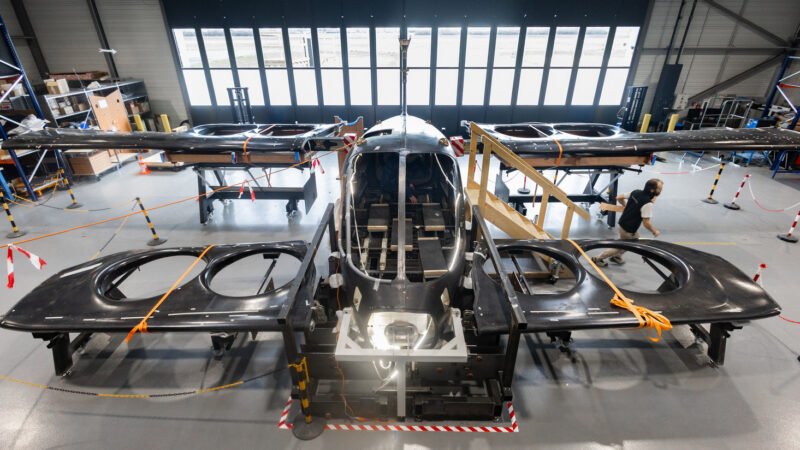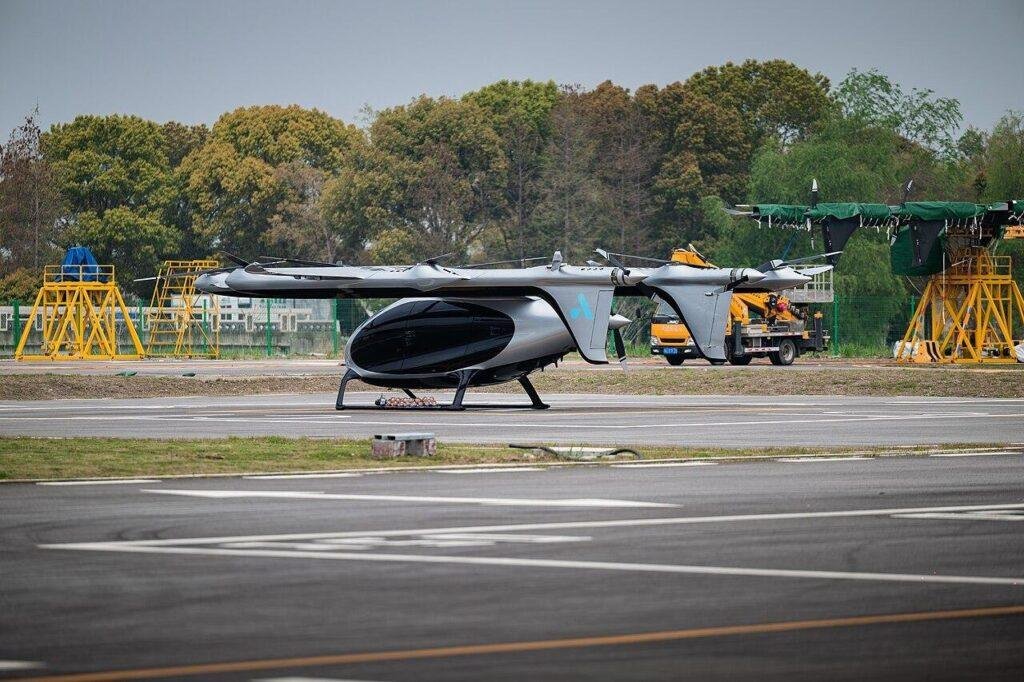
Moya 256 has completed a full-scale transition flight in Brazil, moving between vertical lift and wing-borne flight before returning to a vertical landing, according to developer Moya Aero. The achievement was disclosed in an October 21 announcement and reported by aviation publications later in the month. It should not be described as a new flight conducted on October 27.
The cargo-oriented electric vertical takeoff and landing aircraft is still in development. Demonstrating a transition in flight is a substantial engineering step, but it is not equivalent to receiving a commercial operating approval or beginning routine cargo deliveries. The company has not announced a certified entry-into-service date.
Table of Contents
Moya 256 Demonstrates a Full Transition
In the announcement reproduced by official announcement, Moya Aero described a test beginning with vertical takeoff, continuing through the change to aerodynamic wing-borne flight and then returning to vertical flight. That sequence is central to aircraft intended to combine the runway independence of rotorcraft with the cruising characteristics of a fixed-wing vehicle.
The developer reported extensive testing before the transition milestone, with the aircraft having flown on numerous earlier sorties. A number of test flights does not indicate that every flight used the complete transition sequence. The company’s claim is that it has now demonstrated that particular operation with a full-scale prototype.
Why Transition Flight Is Technically Significant
Hover and forward flight impose different aerodynamic and control requirements. During transition, the aircraft’s control systems must manage changing lift sources, attitude and propulsion demands. Engineers therefore evaluate both the transition path and how the vehicle handles conditions before and after the change, rather than treating takeoff alone as proof of a complete flight envelope.
An airframe may successfully transition under a narrow set of test conditions and still require a much broader validation program. Wind, payload, energy reserves and control margins all influence operational design. The October milestone does not establish the maximum payload, certified range or safety performance of a future customer aircraft across every expected mission.
Cargo Missions and the Brazilian Market
Moya Aero is developing its aircraft for cargo applications rather than conventional passenger service. Electric unmanned cargo aircraft could eventually support industrial transport, regional logistics and other missions where suitable operating sites are available. Yet customers will need realistic flight range, payload capacity and ground-handling procedures before a viable service can be judged.
The developer has reported letters of intent from prospective customers. Such expressions of interest are not the same as firm aircraft orders or aircraft delivered into revenue service. earlier TAD coverage has covered an Archer eVTOL flight-test milestone in the United States; the two efforts are separate projects with different intended operations, even though both must demonstrate robust transition-flight control.
The Remaining Path to Service
Moya must continue flight testing and establish that the prototype’s results can be repeated safely in the configurations it plans to sell. Certification, operator approvals, maintenance arrangements and charging infrastructure are distinct challenges from a single successful transition. No regulator has been identified in the reviewed material as having approved the type for routine commercial operations.
The company’s future progress is likely to be measured through further flight-envelope demonstrations and an increasingly specific certification program. The technical achievement should be reported precisely: a flight-test milestone, not a completed deployment. No confirmed date for the first commercial cargo mission was announced.
FAQ: Moya 256
What did Moya 256 achieve?
Moya Aero reported a full-scale flight that transitioned from vertical lift to wing-borne flight and back.
Did the transition happen on October 27?
No. The developer announced the milestone earlier, around October 21; it was subsequently reported by aviation outlets.
Is the aircraft carrying commercial cargo yet?
The verified sources describe development testing, not a certified commercial cargo service.
Looking Ahead
Further prototype trials and regulatory progress will determine whether Moya can move toward commercial deployment. The developer has not established a verified service launch date in the material reviewed, and potential customer interest should remain distinct from firm deliveries.
Sources
autonomyglobal.co — original announcement
ainonline.com — supplementary source