CRS-35 research return ended with Dragon splashing down in the Pacific near Los Angeles at 2:03 p.m. PST on Nov. 21, NASA said.
The uncrewed capsule brought back research samples, including a 3D-bioprinted blood-vessel construct, frozen tumor organoids and microbial samples, along with a lighting system that had been tested aboard the International Space Station.
The splashdown closed the mission’s cargo run, while scientists now have to analyze the returned material before its findings can be assessed.
Table of Contents
Dragon returned four research payloads from orbit
NASA said the returned biological material includes a bioprinted blood-vessel construct used to study vascular aging and cardiovascular disease. Researchers can compare how the construct behaved in microgravity with measurements gathered on Earth, but the agency has not reported results from that analysis.
The capsule also carried frozen tumor organoids treated aboard the station. NASA said the material may help researchers investigate cancer treatment and personalized medicine. Frozen microbial samples will be studied for clues about how antibiotic-resistant bacteria survive and adapt in space.
The CRS-35 research return includes an older station experiment
A lighting system also came home after spending more than three years on the station. NASA said researchers tested whether the system could support astronaut sleep and well-being during long-duration missions. The return allows investigators to examine the hardware after extended use in orbit.
NASA did not give a total mass for the returning cargo or a schedule for when the research teams will publish results. The agency described the samples and hardware, but the splashdown itself does not establish scientific conclusions.
The splashdown completes a mission TAD previously followed
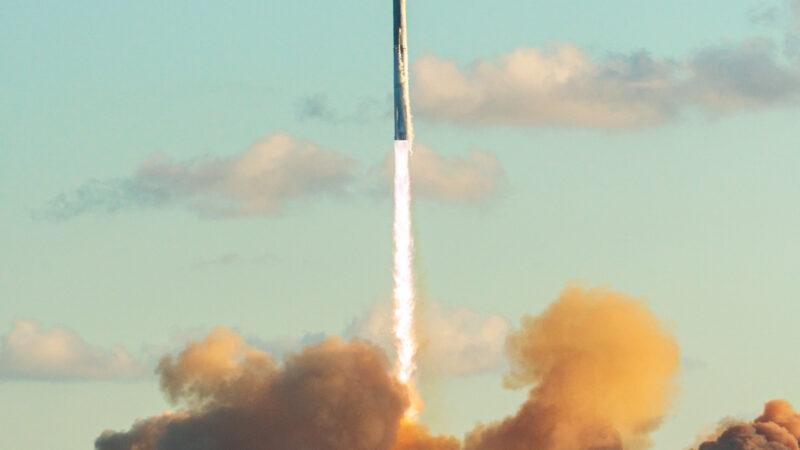
The spacecraft launched from Cape Canaveral on Oct. 13 and reached the station on Oct. 15. It undocked on Nov. 20 before the Pacific recovery the next day. NASA’s Nov. 21 report describes the end of the mission and the specific research returning to Earth.
TAD previously reported on CRS-35’s arrival at the space station, when the capsule brought science hardware and other supplies to Expedition 75. This follow-up covers the return leg and the research that can now be examined on the ground.
FAQ: CRS-35 research return
When did SpaceX Dragon CRS-35 return to Earth?
NASA said the spacecraft splashed down in the Pacific near Los Angeles at 2:03 p.m. PST on Nov. 21, 2026.
What came back on the CRS-35 research return?
The return included a bioprinted blood-vessel construct, frozen tumor organoids, microbial samples and a lighting system tested aboard the station.
Has NASA released results from the returned samples?
NASA described the samples and their research purpose, but it has not reported results from post-return analysis.
Looking Ahead
NASA and the research teams will analyze the returned samples and equipment. The next public milestone will be a report on that work; NASA has not announced a release date.
Sources
- NASA, “Dragon Returns to Earth Packed With Science and Cargo”
- NASA, CRS-35 launch image and mission caption
- NASA image and media usage guidelines
- Featured image: NASA/John Kraus. NASA media usage guidelines; editorial/informational use with attribution. Image source and attribution details.