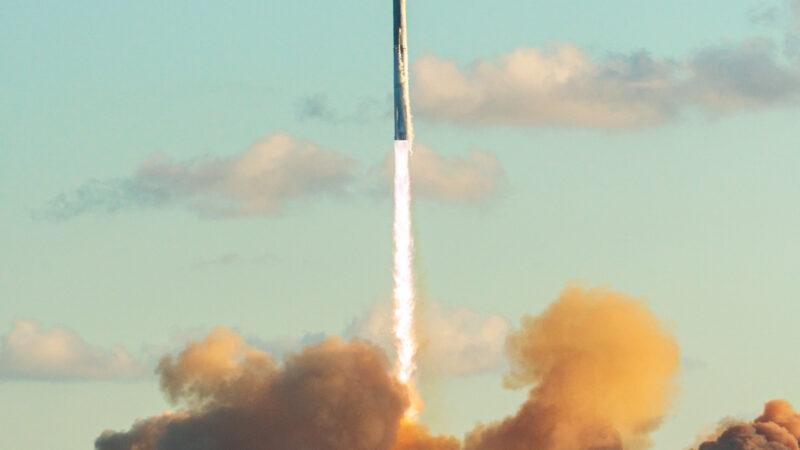
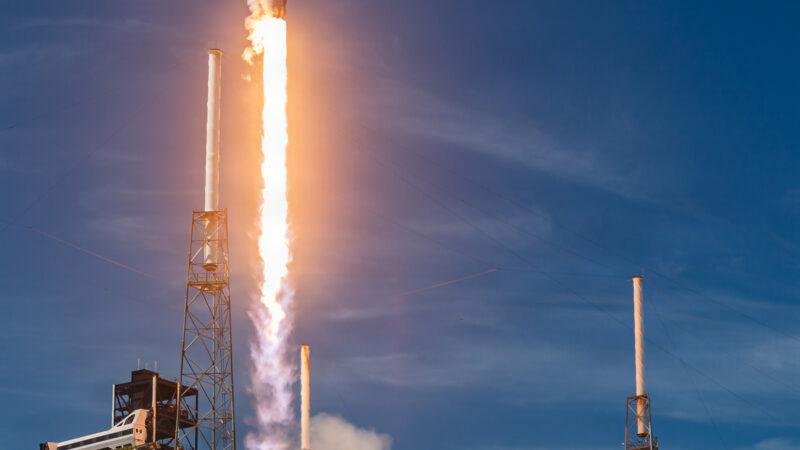
The Starship Flight 15 catch succeeded on Nov. 14, 2026, when the spacecraft returned from orbit and was captured by mechanical arms at SpaceX's launch tower in South Texas. It was the first capture of an upper-stage Starship returning from space, a milestone distinct from the company's earlier recovery of Super Heavy boosters.
The spacecraft launched Friday, completed approximately 14 orbits over roughly 22 hours, and descended back to Starbase Saturday. Its Super Heavy booster did not return for the planned double catch: an engine-shutdown problem during descent led the guidance system to divert it toward the Gulf of Mexico, where it was destroyed. SpaceX's recovery success was therefore significant but not complete across both stages.
Table of Contents
Starship Flight 15 catch demonstrates orbital return
The spacecraft followed a mission plan that required substantially more than a short suborbital flight. According to SpaceX's flight plan and subsequent reporting, the vehicle spent nearly a day in space before targeting its original launch site. Returning to a tower after multiple orbits tests guidance, atmospheric entry and terminal control across phases that cannot be fully represented by a local landing demonstration.
SpaceX reported that the spacecraft's heat shield and other major systems performed well. Those are the company's initial assessments, not the final results of an independently released engineering review. The mechanical arms held the returning ship above the ground, offering a potential recovery method that could avoid landing-leg hardware on a reusable vehicle.
The Super Heavy booster was not recovered
SpaceX had intended Flight 15 to demonstrate both a booster catch and a ship catch. The booster separated from the upper stage after Friday's ascent, but its engines stopped firing earlier than planned on the return. Company representatives said guidance logic then detected the deviation and diverted the booster toward a designated Gulf area.
The booster subsequently broke up or self-destructed, according to flight reporting. Investigators must still determine why the engines stopped early. The outcome should not be described as a successful double catch, and the upper-stage milestone does not erase the separate booster anomaly. TAD's original Flight 15 launch report covered the flight and initial booster loss before the next day's ship recovery.
Payload deployment and orbital duration broaden the test
The flight also included deployment of 26 Starlink satellites, according to the Associated Press and SpaceX's mission reporting. The spacecraft operated at an altitude around 265 to 275 kilometers while completing 14 circuits of Earth. These activities added payload-handling and extended-duration objectives to the launch-and-recovery sequence.
Separating the reported orbital work from the landing milestone matters. Payload release is a mission function; successful atmospheric entry is a vehicle survival function; tower capture is a precision recovery function. Demonstrating all three in one campaign gives engineers more information, but the public record does not yet establish how quickly this particular spacecraft could be inspected, refueled or flown again.
What the recovery means for Artemis and reuse
NASA plans to use Starship-derived technology for parts of its future lunar exploration program, while SpaceX also wants the system to support frequent satellite launches. A ship that can return intact and be physically recovered is relevant to those longer-term goals. It does not by itself certify the vehicle for crew transport, lunar landing or rapid turnaround operations.
NASA officials welcomed the event, and SpaceX has discussed future operations from Florida as well as Texas. Those future programs require additional flight tests, production and launch-site approvals. The November demonstration is a proof point for the recovery sequence, not an announcement that routine commercial reuse has begun.
FAQ: Starship Flight 15
Was the Starship Flight 15 catch successful?
Yes. The upper-stage spacecraft returned from orbit and was captured by the Starbase launch tower's mechanical arms on Nov. 14.
Did SpaceX catch the Super Heavy booster too?
No. The booster recovery was aborted after an engine-shutdown problem, and the booster was destroyed over the Gulf of Mexico.
Did Flight 15 complete a full-day orbital mission?
The upper stage spent roughly 22 hours in space and completed approximately 14 Earth orbits before returning.
Looking Ahead
SpaceX must analyze the booster anomaly and evaluate the recovered spacecraft before it can describe the implications for reuse or the next flight. The company had not established a publicly confirmed turnaround time for the captured vehicle as of Nov. 14.
Sources
- SpaceX Flight 15 mission description
- Associated Press report on the Nov. 14 tower catch
- Engadget reporting with SpaceX's public catch update