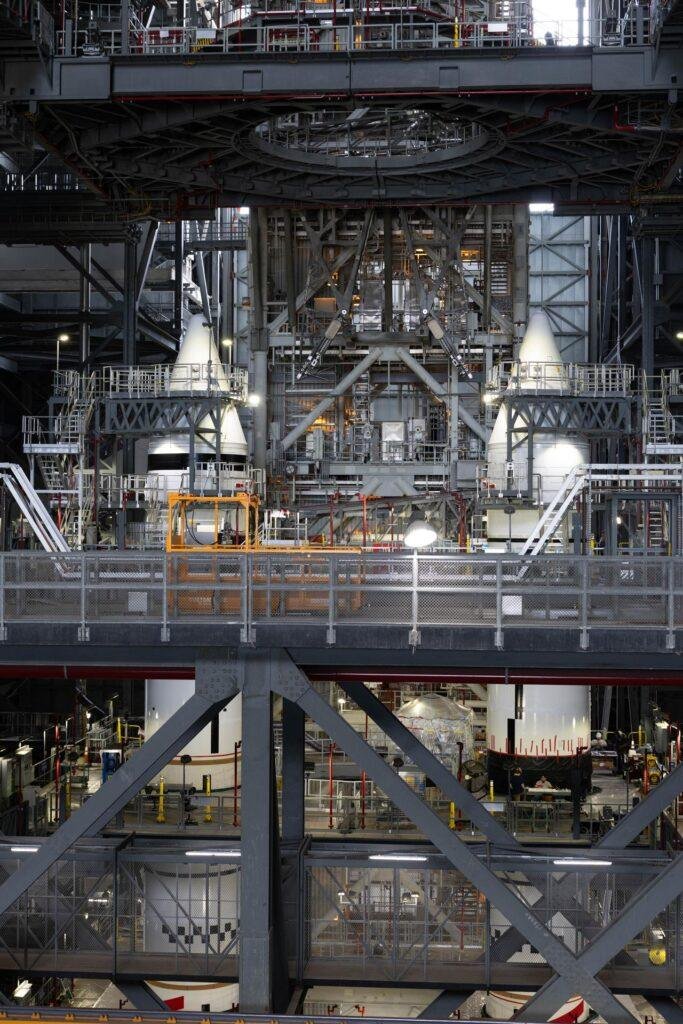
Artemis III core stage integration with the mission’s solid rocket boosters has been completed inside the Vehicle Assembly Building at NASA’s Kennedy Space Center in Florida, the agency announced Oct. 28, 2026. Technicians joined the 212-foot central rocket stage to the two boosters in High Bay 3. The result is a short-stack configuration for upcoming ground testing, not a complete launch-ready rocket.
NASA plans to move the integrated stage and booster stack to Launch Pad 39B after inspection and checkout work. There, the agency will run a tanking test using liquid hydrogen and liquid oxygen in the core stage while teams rehearse countdown procedures. This milestone follows the earlier completion of booster stacking and adds the main liquid-fueled element of the Space Launch System.
Table of Contents
Artemis III Core Stage Completes the Short Stack
The rocket’s core stage was moved using specialized lifting equipment at Kennedy. NASA says technicians raised and positioned the stage beside the already assembled solid rocket boosters and connected the major structures on the mobile launcher. Images released with the announcement show the orange central stage towering between booster segments inside the Vehicle Assembly Building.
The primary announcement provides the source details behind this report.
The work builds on booster stacking that NASA reported as complete earlier in October. That sequence matters because the core and solid boosters must form an integrated vehicle before teams can evaluate the ground hardware that supports loading and countdown operations. A completed mechanical configuration is necessary for testing, but it is not the same as launch authorization.
A 212-Foot Stage Still Needs Ground Tests
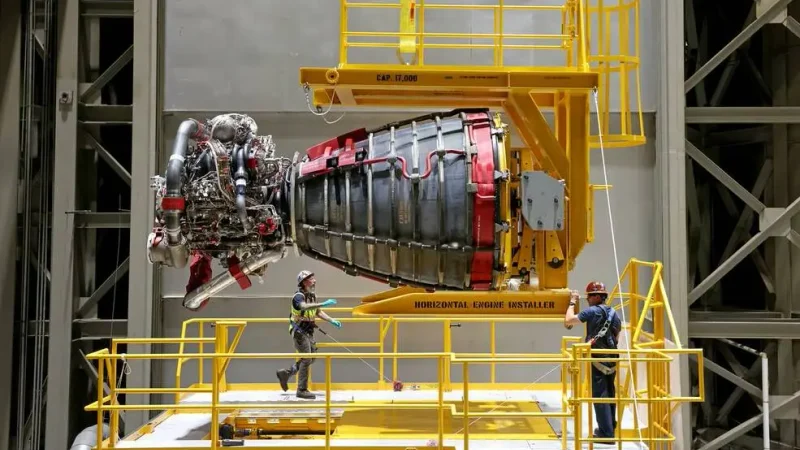
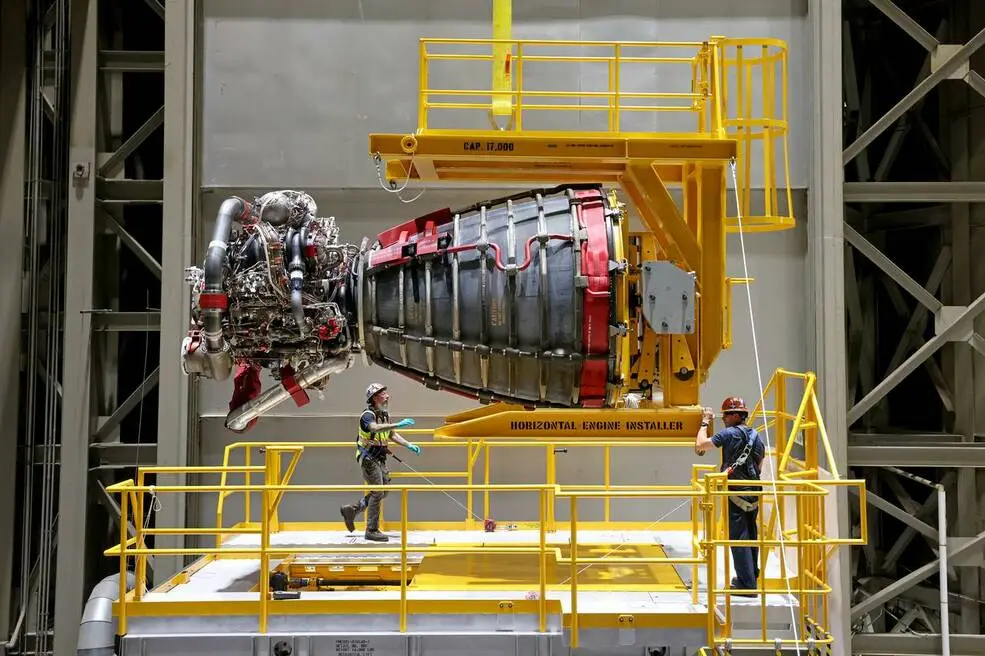
The stage carries the cryogenic propellants for four RS-25 engines, while the solid rocket boosters supply additional thrust after liftoff. In the forthcoming tanking test, the agency plans to load only the core stage with liquid hydrogen and liquid oxygen. The team will rehearse countdown timelines and equipment operation without turning that exercise into a flight.
Hydrogen and oxygen introduce unusual engineering demands because the liquids are stored at very low temperatures. Ground crews must verify tank behavior, fill procedures and connections while monitoring the vehicle. NASA has not announced that these tests have already occurred. The first milestone is therefore moving the short stack to the pad after inspections, then conducting the planned rehearsal.
The 2027 Mission Focuses on Docking Demonstrations
NASA has described Artemis III as a mission in which the Orion spacecraft will test rendezvous and docking operations with commercial lunar-lander hardware associated with Blue Origin and SpaceX. These tests are preparatory steps for later human lunar-landing missions rather than a declaration that the Artemis III crew will descend to the Moon’s surface.
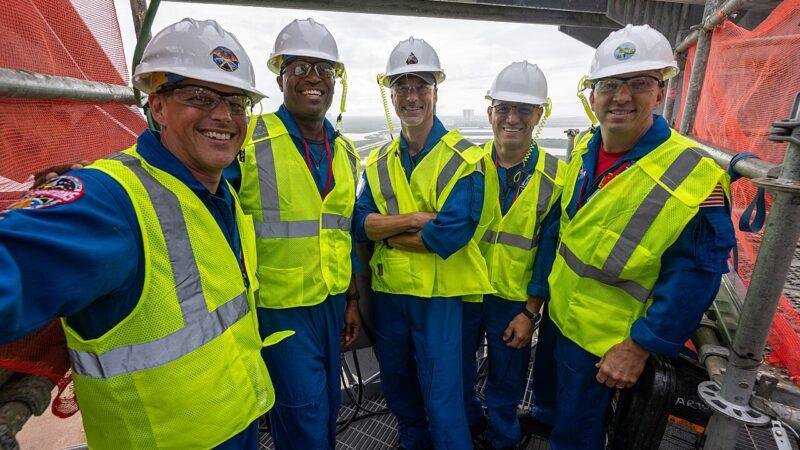
The named crew is NASA astronauts Randy Bresnik, Frank Rubio and Andre Douglas, joined by European Space Agency astronaut Luca Parmitano. Their flight will require readiness of Orion, Space Launch System and the relevant demonstration elements. Vehicle assembly at Kennedy addresses one part of that mission architecture, but a flight date still depends on the remaining integration and program reviews.
Next Move Is Kennedy Pad 39B
NASA identifies Pad 39B as the destination for the short stack after it clears verification inside the assembly building. The large mobile launcher is designed to carry the structure out to the pad. There, teams can inspect the interfaces involved in propellant loading and the rehearsal of launch-day actions in the environment where the rocket eventually flies.
The announcement did not give a specific date for the rollout or completion of the tanking test. It also did not present a new result from an actual ascent or docking operation. The achievement is a significant physical assembly step, while the outstanding milestones remain practical engineering tests and programmatic reviews needed before the mission can be launched.
For relevant background, TAD previously outlined the Artemis III mission’s planned lunar-lander docking demonstrations.
FAQ: Artemis III core
What happened to the Artemis III core stage?
NASA connected the 212-foot SLS core stage with the solid rocket boosters at Kennedy Space Center.
Is the Artemis III rocket ready to launch?
No. NASA is preparing a rollout and a tanking test, and further checkouts remain.
What will the Artemis III mission test?
NASA plans Orion rendezvous and docking demonstrations involving spacecraft from commercial lunar-lander providers.
Looking Ahead
Artemis III core stage integration will be followed by inspections and a planned move from the Vehicle Assembly Building to Pad 39B for a tanking test. NASA has not confirmed a precise rollout date in the October announcement. Subsequent readiness reviews will determine whether the short stack, additional spacecraft elements and mission procedures meet requirements for the planned flight.
Sources
- NASA — Artemis III SLS core stage joins boosters at Kennedy
- NASA — Completes Artemis III booster stacking