Learjet crash investigation details released on Nov. 2 have added new questions about the final minutes of a flight that went down in Palm Beach County, Florida, killing all nine people aboard. The National Transportation Safety Board described crew reports of icing and turbulence and said preliminary evidence suggests parts of the jet may have separated before impact.
Investigators have not determined what caused the accident. Their comments are early findings from an active inquiry, not a final ruling that weather, aircraft structure or pilot action caused the crash.
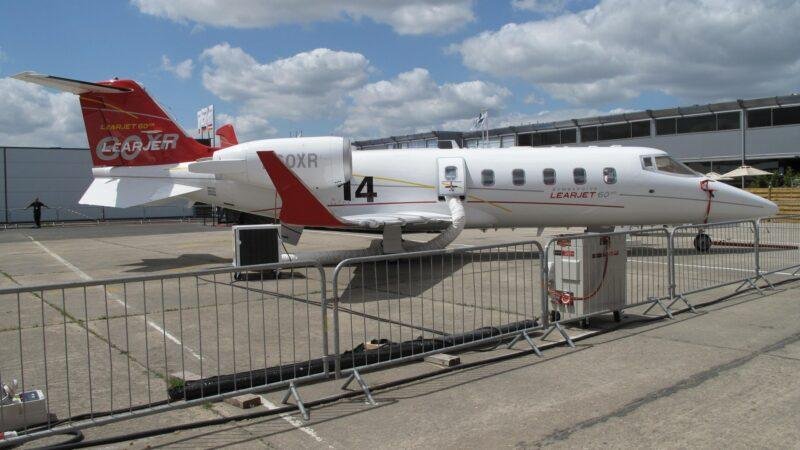
The Learjet 60, operated by Aurora Aviation doing business as Upper Jet, was flying from Austin, Texas, toward North Eleuthera in the Bahamas on Nov. 1. It descended rapidly before crashing near a residential area, triggering a federal investigation and a local emergency response.
Table of Contents
Learjet crash investigation reconstructs the last flight
According to a Nov. 2 briefing attributed to NTSB Member Tom Chapman, the crew reported light clear icing and moderate turbulence while operating at approximately 35,000 feet. The pilots described altitude deviations and later reported precipitation while requesting a climb to 37,000 feet. Air traffic controllers approved the requested higher altitude.
The available account then describes a much faster sequence. A transmission indicated an unplanned descent, followed by a distress call. Reuters reported that investigators had identified descent rates reaching tens of thousands of feet per minute as the aircraft lost altitude. Those figures come from preliminary information and need to be reconciled with flight data, communications and recovered physical evidence.
The NTSB has opened investigation ERA27MA026. Its official case page records the Nov. 1 accident near Lake Worth Beach and the flight’s origin and destination. The agency said its investigation remains ongoing and that early descriptions are subject to change.
What evidence of an in-flight breakup means
Chapman said investigators had some indication that the aircraft began breaking apart before it hit the ground. The statement does not establish when separation began, which components were involved or whether structural failure preceded the rapid descent. Severe aerodynamic forces during an uncontrolled descent can also damage aircraft before impact.
Investigators will analyze wreckage distribution to help establish the order of events. Parts recovered some distance from the main impact area may provide clues about the aircraft’s configuration and loads during the final seconds. That interpretation requires engineering analysis, physical inspection and the other evidence gathered by the NTSB.
The reported weather will also be examined. Icing, precipitation and turbulence are relevant observations, but their presence does not by itself establish a causal explanation. A reliable conclusion must distinguish what the flight crew reported, what instruments recorded and what investigators can prove from the recovered evidence.
Investigative work and public information limits
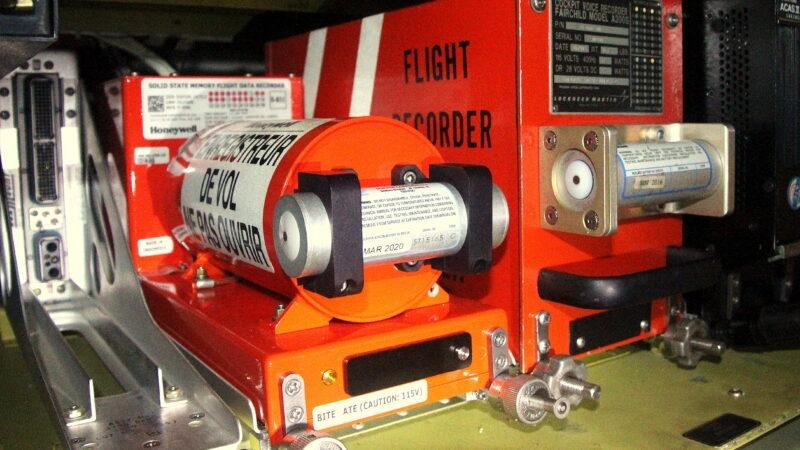
The accident left a substantial impact site near a residential community in Palm Beach County. Local authorities managed access and safety around the wreckage while federal teams began their work. Investigators were also seeking information about the aircraft’s records and equipment, including whether a cockpit voice recorder could be recovered.
A preliminary report can summarize facts gathered early without identifying a probable cause. The final analysis may require examination of the airframe, systems, maintenance records, communications, radar and meteorological data. It is too early to assign responsibility to the operator or crew based on one briefing.
The Aviation Diary’s initial Learjet 60 crash report described the loss of life and flight route. This follow-up covers the newly reported investigation details rather than repeating the original announcement as a separate accident.
FAQ: Learjet crash investigation
Has the Learjet crash investigation found a cause?
No. The NTSB has said the inquiry is ongoing; the reported breakup indication and crew weather reports do not constitute a final finding.
How many people were aboard the Learjet 60?
Nine people, including seven passengers and two flight crew members, were reported aboard the aircraft. All nine died.
What route was the aircraft flying?
It departed Austin-Bergstrom International Airport for North Eleuthera Airport in the Bahamas before crashing in Florida.
Looking Ahead
Investigators will continue documenting the wreckage, flight path, communications and aircraft history. The NTSB may issue a preliminary factual report and later findings, but it has not announced a final probable-cause determination. Any subsequent TAD coverage should distinguish confirmed evidence from hypotheses.
Sources
- NTSB investigation ERA27MA026
- WFLX reporting on the Nov. 2 NTSB briefing
- Reuters report on investigation statements