The Gulf Med H135 fleet grew by two helicopters after operator Gulf Med Aviation Services announced the acquisition on November 20, bringing its Airbus helicopter fleet to 12 aircraft.
The operator’s announcement puts the total at seven H135s and five H145s. Gulf Med said the incoming helicopters provide reserve capacity when aircraft are out of service for scheduled maintenance, a relevant constraint for emergency medical flying.
Table of Contents
How the Gulf Med H135 fleet is changing
The acquisition adds two aircraft to the smaller of Gulf Med’s two Airbus helicopter families. The H135 is a light twin-engine helicopter used in medical operations. Gulf Med’s announced totals show the H135 is now the more numerous type in the fleet.
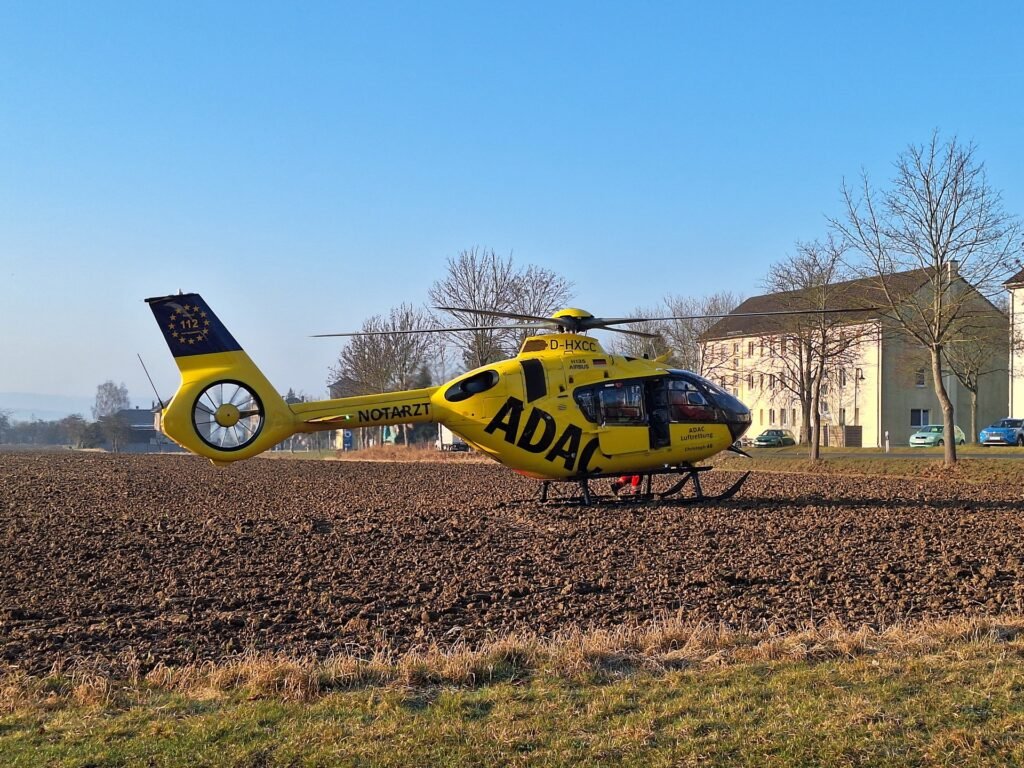
The operator provided a fleet count rather than identifying the registration and planned base of each incoming helicopter. Those are separate details that may become public when the aircraft are allocated to specific contracts or locations. The accompanying file photo depicts a medical H135 operated by ADAC in Germany.
Why reserve aircraft matter to medical operators
An emergency aviation operator may need an available helicopter when an assigned aircraft is undergoing scheduled maintenance. A reserve fleet provides an option for replacing it during that work. Gulf Med said increasing this reserve capacity was a reason for taking the two H135s.
The acquisition therefore has a practical effect beyond the fleet tally. Additional aircraft can make it easier to maintain coverage across deployments, depending on crews, equipment, regulatory requirements and maintenance availability. The announcement does not establish that the additional helicopters will support a new medical base or region.
How maintenance fits the fleet plan
Gulf Med said it maintains its aircraft under the RotorTechnics brand and performs both line and base maintenance. Line maintenance includes routine work closer to the point of operation, while base maintenance generally involves more extensive scheduled work. Having both types of capability gives an operator another way to plan when an aircraft is available.
TAD’s coverage of Life Flight’s H135 order offers a separate example of a medical operator adding the type. Gulf Med’s disclosed rationale centers on reserve capacity for existing operations. The two acquisitions are the measurable change in this announcement, while individual deployments remain open.
Fleet totals can also obscure who is available for a particular mission. The operator’s 12-aircraft figure spans two Airbus types, while the additions to the Gulf Med H135 fleet are both H135s. Without deployment details, the fleet figures cannot be translated into an increase at any particular hospital, base or contract.
FAQ: Gulf Med H135 fleet
How many aircraft are in the Gulf Med H135 fleet?
Gulf Med says it has seven Airbus H135s within a total of 12 helicopters.
Why did the operator add two helicopters?
It said the additions increase reserve capacity, including when helicopters are unavailable for scheduled maintenance.
Which other helicopter type does Gulf Med operate?
The operator lists five H145s alongside seven H135s.
Looking Ahead
Future operator announcements could identify where the incoming H135s will be based or whether they support new work. The current statement establishes the additional fleet capacity and the maintenance rationale behind it.
Sources
- Gulf Med Aviation Services announcement via Vertical
- The Aviation Diary on Life Flight’s Airbus order
- Featured photo credit — Steffen Mokosch (CC BY-SA 4.0). Image resized without cropping.
Related profiles