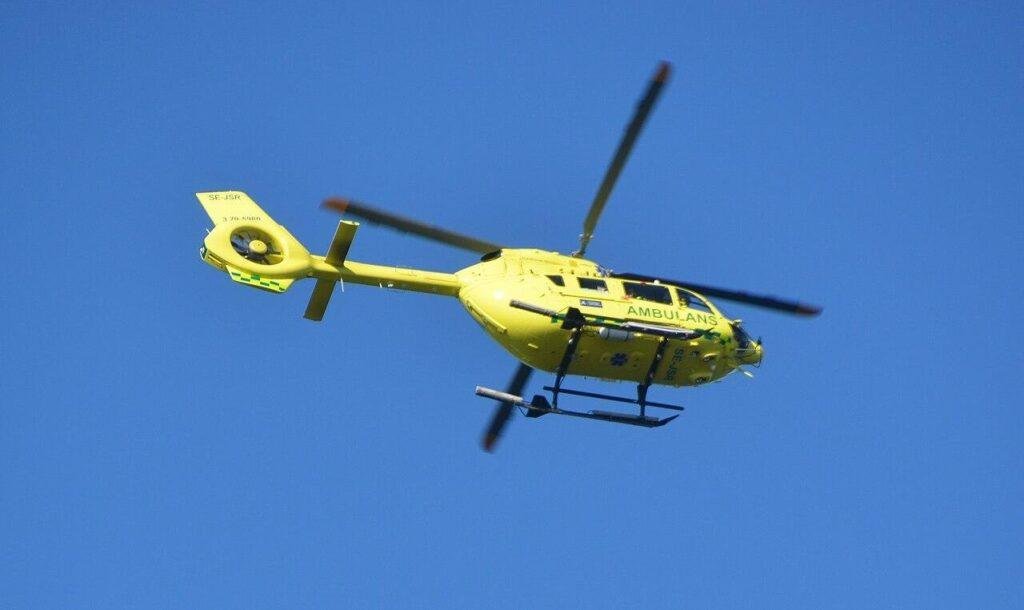
Boston MedFlight has ordered three Airbus H145 helicopters as part of a plan to renew and expand its air-medical fleet serving New England. Airbus announced the agreement on October 27, 2026, during the Air Medical Transport Conference in Fort Worth, Texas. The purchase is intended to support a combination of aircraft replacement and incremental capacity growth.
Airbus said the new order brings Boston MedFlight’s cumulative H145 purchases to 12 over time. That figure describes the number bought, not necessarily the number operating in the organization’s fleet today. The nonprofit provides critical-care transport from accident scenes and between medical facilities.
Table of Contents
Boston MedFlight Order and Fleet Strategy
The official announcement identifies a firm purchase of three twin-engine H145s and says the aircraft will join the service over the coming years. No firm per-helicopter delivery dates or contract prices were published. Boston MedFlight operates an all-Airbus fleet, and the additional helicopters are intended to integrate with its existing aviation network.
Airbus reports that the provider has spent more than 41 years in critical-care transport and has served more than 115,000 patients. Those are cumulative historical service figures rather than an annual patient total. Boston MedFlight also operates ground critical-care vehicles, so the helicopter procurement fits a transport system that uses more than one mode.
Medical Mission Advantages of the H145
The latest five-bladed H145 uses a bearingless main rotor intended to reduce some maintenance demands and provide smoother flight characteristics. Airbus says the configuration adds 150 kilograms, or roughly 330 pounds, of useful load. This is a manufacturer-reported design improvement, not a measurement derived from Boston MedFlight’s particular medical cabin.
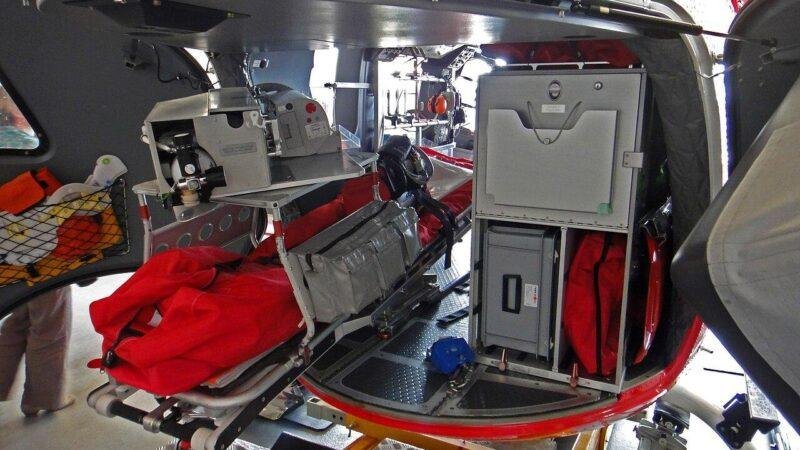
Twin Safran Arriel 2E engines, dual-channel digital engine controls and the Helionix avionics suite are part of the H145 description. Airbus also highlights its four-axis autopilot. In emergency medical work, useful load, cabin accessibility and operational availability matter because the aircraft must accommodate a medical crew, patient and mission equipment within its certified limits.
New England Service and Capacity
Boston MedFlight operates across an area with dense metropolitan hospitals as well as rural and coastal communities. Helicopters can support transport where ground journeys would be long, while dispatch teams evaluate the right vehicle for each mission. The company’s announcement does not identify additional bases, new routes or a fixed increase in daily flight volume from the H145 order.
Replacing aging airframes can be as important as expanding fleet numbers. An aircraft arriving to replace an older helicopter may improve availability without increasing the published fleet size. earlier TAD coverage has covered a separate European air-ambulance fleet renewal, highlighting how specialist operators adjust aircraft types to medical mission requirements rather than ordinary passenger schedules.
Purchase Versus Delivery and Operations
An announced order is an important commitment, but it is distinct from a delivered, equipped or operational helicopter. Each H145 will need acceptance, medical outfitting, approvals and integration into dispatch and maintenance arrangements. The Airbus release does not state that the three ordered aircraft have already begun carrying patients.
The longer-term effect will depend on deployment locations, crew availability and how replacement aircraft are phased out. Airbus’s description of the H145 family’s global fleet does not establish specific Boston MedFlight results. The confirmed news remains the three-aircraft procurement with a multiyear service objective.
FAQ: Boston MedFlight
How many helicopters did Boston MedFlight order?
The nonprofit ordered three H145 helicopters, bringing its cumulative purchases of that model to 12.
When will the new H145s arrive?
Airbus said they would join over the coming years but did not publish a detailed delivery schedule.
Will every aircraft add fleet capacity?
Not necessarily. The order supports both replacement of existing aircraft and incremental fleet growth.
Looking Ahead
The next verifiable milestone is delivery and medical outfitting of the ordered H145 helicopters. Neither exact handover dates nor future operating bases were announced in the October 27 Airbus release, so planned fleet changes should not be treated as completed deployments.
Sources
airbus.com — original announcement