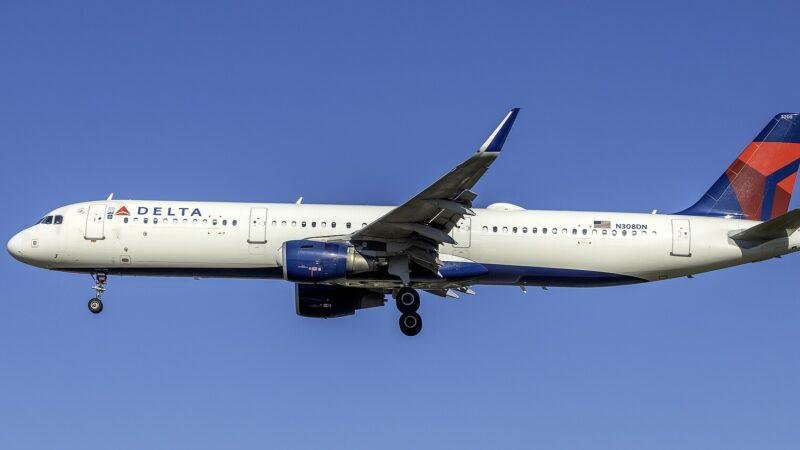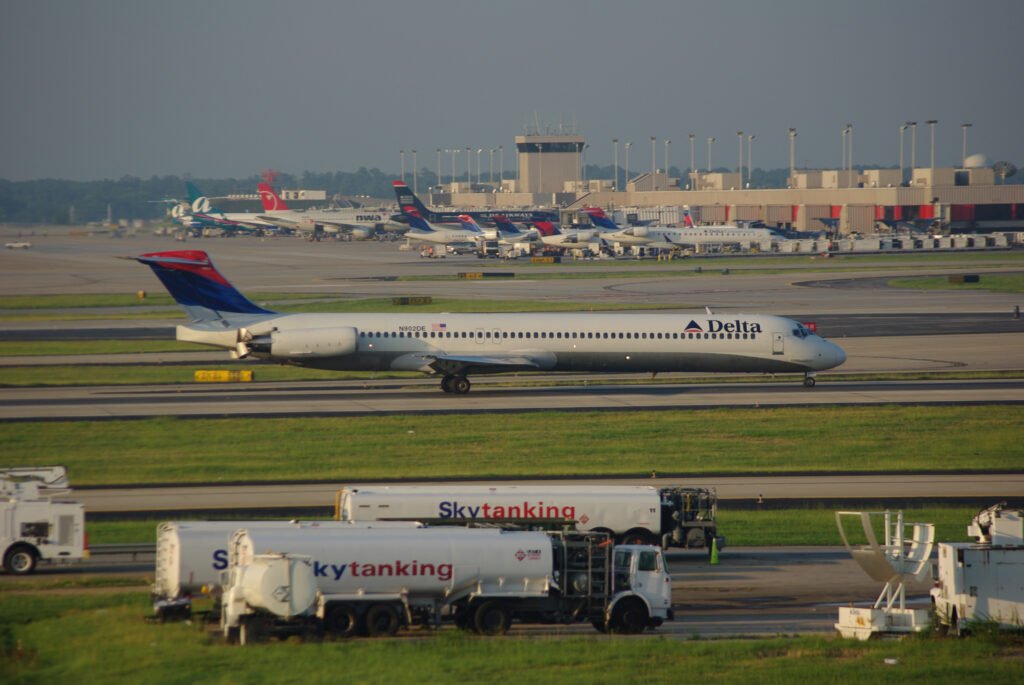
Delta Atlanta delays spread across the airline’s schedule on Sunday, November 22, after an automated system used to calculate aircraft weight and balance stopped working properly for departing flights at its Atlanta hub. Delta told the Associated Press that its teams used manual workarounds while the company restored automation. Disruptions continued after the automated process returned.
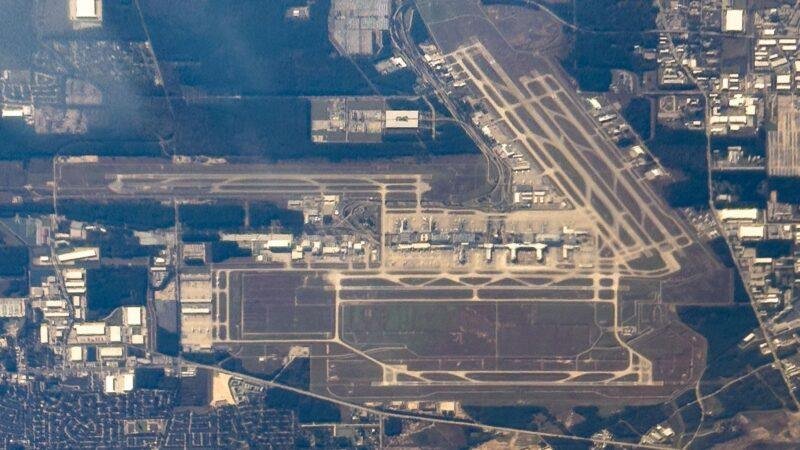
The FAA also issued a ground stop affecting some flights headed to Hartsfield-Jackson Atlanta International Airport for roughly an hour, according to AP. The airline’s calculation problem and the FAA traffic measure affected different parts of the operation. The first slowed work on departures and the second held some Atlanta-bound aircraft on the ground at their departure airports.
Table of Contents
What caused the Delta Atlanta delays
Weight and balance calculations account for the aircraft’s load and how it is distributed. Crews need completed figures before departure. A problem that delays their production can keep an aircraft at the gate even when boarding is complete and the aircraft itself is available.
Delta told AP the airline was able to continue using manual procedures before restoring its automated system. That kept some flights moving, while adding work during a busy operating day. Delta also cited weather as a factor in the broader disruption. The carrier’s statement identified the affected process and its response, leaving the technical cause and the sequence of the failure open.
Why an Atlanta delay can reach other airports
Passengers can experience a hub disruption on a flight that never touches Atlanta. An aircraft or crew scheduled to operate their flight may first have to arrive from Atlanta or complete another delayed leg. A missed connection can also require several changes on an itinerary that looked straightforward at the start of the day.
A ground stop affects one part of that chain by holding some arrivals at their origin. TAD previously covered an FAA ground stop tied to a router outage. In Sunday’s Atlanta case, the calculation issue identified by Delta concerned an airline departure process. AP’s account described the FAA measure separately.
Why restoration can precede schedule recovery
Once the automation returned, Delta still had aircraft, crews and passengers in places that no longer matched the original schedule. Getting departures moving again does not immediately give each flight its original aircraft or restore a connection that has already left. New departure estimates can continue moving as the carrier rearranges the schedule.
FlightAware counted about 1,000 Delta delays by Sunday afternoon, AP reported. Delta told AP the automation problem accounted for about 70 percent of the delays and cancellations tracked by FlightAware, with weather behind the rest. The carrier said it was rebooking passengers and offering refunds on canceled flights.
FAQ: Delta Atlanta delays
What started the Delta Atlanta delays?
Delta told AP that an automated tool used for aircraft weight and balance calculations stopped working properly. The carrier also reported weather disruptions.
Did Delta have a manual option?
Yes. Delta said teams used manual procedures while automation was being restored.
Did flights remain delayed after the system recovered?
Yes. AP reported ongoing schedule disruption after Delta brought back the automated process.
Looking Ahead
As Delta Atlanta delays ease, the next measure of recovery is how quickly aircraft and crews resume their scheduled rotations. Delta’s public account established which process was affected, with further details about the failure still to come.
Sources
- Associated Press report with Delta’s account
- Featured image — I’ll Never Grow Up (CC BY 2.0).
- Featured image reuse terms
Related profiles