The FAA will require recurring 737NG control tests on certain Boeing aircraft under a final airworthiness directive published November 20. The agency estimates that the rule affects 300 airplanes on the U.S. registry. It takes effect December 7 and addresses how airplane systems respond to invalid or missing spoiler position information.
The affected aircraft belong to Boeing’s 737 Next Generation family. The rule covers specified airplanes across five model designations as identified in the directive. For an individual operator, the applicable airplane records and the FAA’s eligibility language determine whether a jet falls under the requirements.
Table of Contents
What triggered the 737NG control tests
The directive describes a condition involving spoiler position information and autothrottle monitoring. Spoilers are flight-control surfaces on the wing, and the autothrottle helps manage engine thrust. The FAA said an erroneous or absent spoiler signal could contribute to an unintended roll. The rule addresses that potential loss of control through recurring checks of the digital flight-control system.
Signals shared between airplane systems allow one function to react to what another is doing. When the signal is missing or incorrect, the receiving system may have an incomplete picture even though its own hardware is still functioning. That is why the directive focuses on finding a fault in the chain of information as well as the behavior it can produce.
Which airplanes the FAA identified
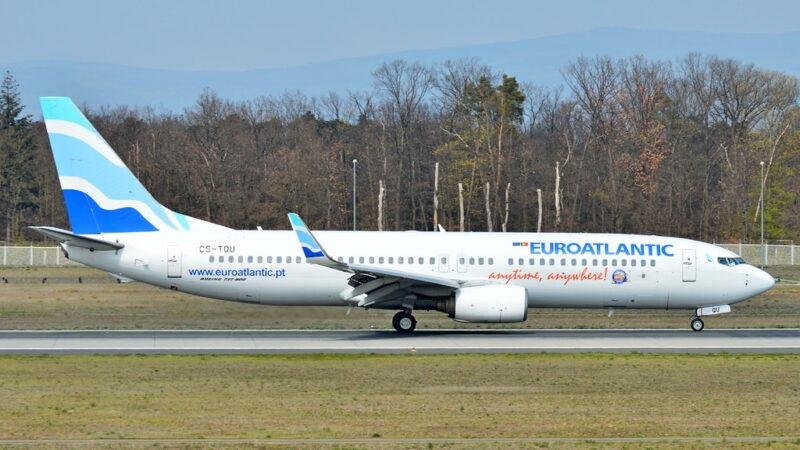
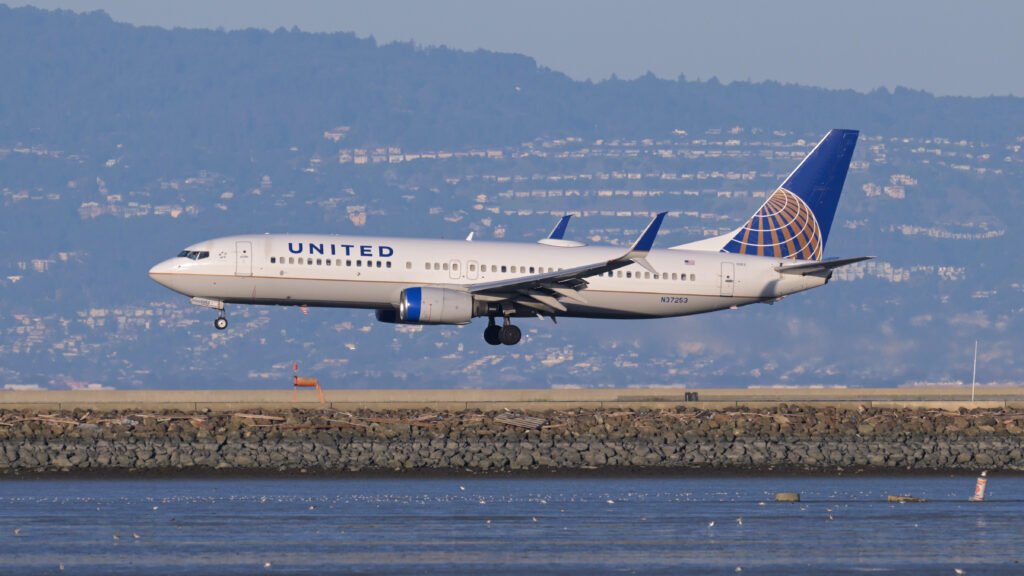
The directive lists certain Boeing 737-600, 737-700, 737-700C, 737-800 and 737-900 airplanes. The agency’s 300-airplane estimate concerns the U.S. registry. Aircraft in service abroad could fall under their own authorities’ requirements. The applicability section of the U.S. rule is the controlling reference for whether a specific U.S.-registered jet is covered.
The same broad model family can appear in different FAA rules for different reasons. TAD previously covered a 737NG stabilizer inspection directive. That rule concerns the stabilizer. The new directive has its own applicability and a different underlying issue involving the digital flight controls.
Why a recurring requirement matters to operators
The 737NG control tests will become a continuing obligation for covered airplanes. An operator with several eligible aircraft has to account for each applicable jet in its maintenance planning and records over time. The FAA directive is the source for the actual compliance requirements and any approved alternatives.
The date the directive takes effect establishes when the rule becomes effective. The compliance provisions govern the timing for individual aircraft. That distinction helps explain why an effective date in the Federal Register does not, on its own, tell passengers which flights or aircraft could be affected.
FAQ: 737NG control tests
When do the 737NG control tests become mandatory under the rule?
The directive takes effect December 7. The rule’s compliance provisions give the applicable timing for covered aircraft.
How many U.S. airplanes does the FAA estimate are affected?
The FAA estimates 300 affected aircraft on the U.S. registry.
Does the directive cover all Boeing 737s?
Its applicability lists certain aircraft in five 737 Next Generation model groups. The published applicability language identifies the aircraft covered.
Looking Ahead
Operators can use the final rule to match aircraft records to the FAA’s applicability criteria and track recurring compliance as the directive takes effect in December.
Sources
- Federal Register final airworthiness directive 2026-23-04
- Featured image — 4300streetcar (CC BY 4.0).
- Featured image reuse terms
Related profiles