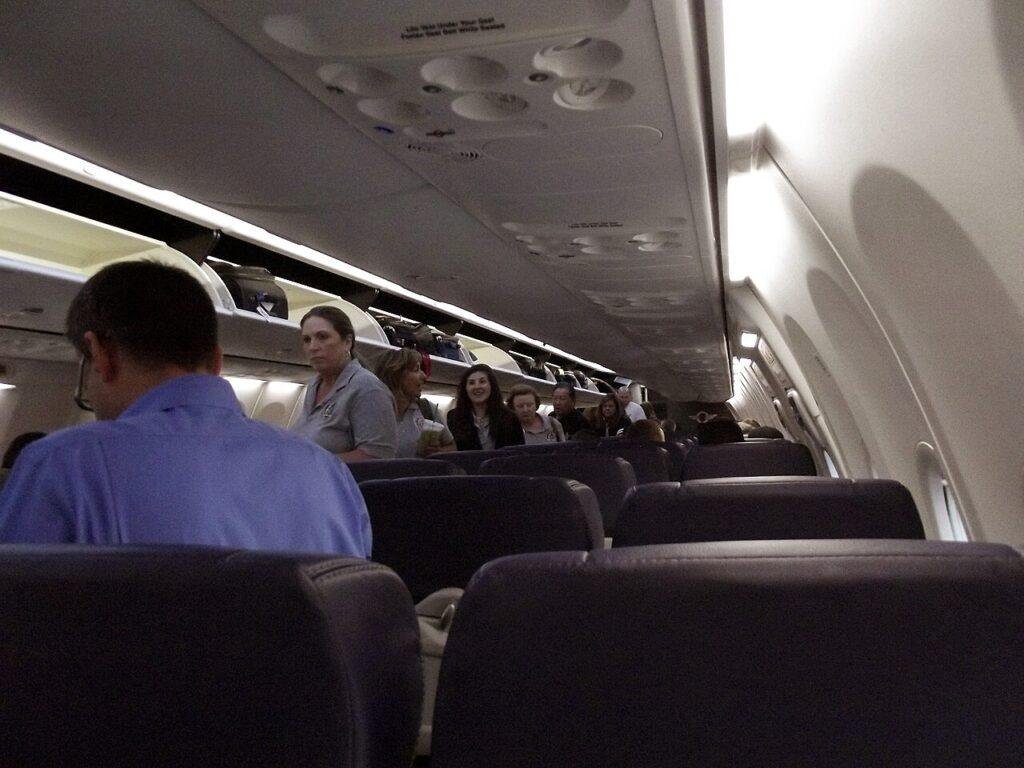
FAA cabin monitors rules will require changes to certain Boeing 737 passenger aircraft after the Federal Aviation Administration adopted an airworthiness directive addressing video screens that detached during a hard landing. The final regulation appeared in the Federal Register on Oct. 19, 2026, and takes effect Nov. 23.
The FAA estimates that 459 U.S.-registered airplanes are affected. The directive covers specified 737-600, -700, -700C, -800, -900 and -900ER models equipped with passenger-service-unit video monitors; it does not automatically include every aircraft in those families.
The hazard is inside the cabin rather than in the aircraft flight-control system. A dislodged overhead monitor could strike occupants or obstruct their movement during an evacuation, the regulator concluded.
Table of Contents
FAA Cabin Monitors Directive Addresses Detachment
According to the final FAA rule, some monitors became detached from passenger-service-unit rails during a hard landing even though the event did not exceed emergency load requirements for those units. The regulator identified both falling equipment and screens hanging at an unsafe height as potential risks.
The directive targets monitors without secondary retention lanyards. Required work includes replacing certain affected units and completing applicable checks or corrective actions under Boeing service instructions. Operators must follow the compliance intervals in the directive; publication alone does not mean every airplane must stop flying immediately.
Passenger-service units are part of the overhead cabin furnishing area. The screen-retention issue is therefore distinct from structural cracking, engine maintenance or flight-control inspections. The FAA evaluates such hazards through separate directives because aircraft configuration and failure mechanisms are different.
Which 737 Aircraft and Operators Are Affected?
The rule names six variants of the 737 Next Generation family, including the -600, -700, -700C, -800, -900 and -900ER. Applicability depends on whether an aircraft is equipped with the relevant overhead monitors and falls within the service-bulletin configuration groups.
During the rulemaking process, Delta asked whether maintenance records could establish monitor configuration instead of requiring a physical inspection. The FAA said a conclusive review of records can be used to determine applicability, providing a practical option for fleets with reliable cabin-modification records.
The agency estimated 459 U.S. airplanes fall within the directive. That figure measures potential applicability, not confirmed detachments or passenger injuries. The published rule does not establish that all 459 aircraft have defective screens, nor does it report a fleet-wide grounding.
Replacement Costs and Next Safety Steps
FAA estimates in the rule show different unit replacement costs depending on whether the affected equipment is supplied by Burrana or Panasonic. One listed Burrana replacement estimate is $2,904 per monitor, while a listed Panasonic replacement estimate is $524, including the agency’s labor assumptions.
Those costs are regulatory estimates rather than invoices for individual airlines. Aircraft may have different numbers and types of monitors, and actual expenditure depends on installed configuration, parts availability and any work already accomplished. The directive also incorporates specific Boeing maintenance instructions by reference.
Readers should distinguish this rule from TAD’s separate reporting on Boeing 737 crack inspections. Both involve FAA airworthiness oversight, but one is about cabin monitor retention and the other about aircraft structure. They should not be treated as the same safety event.
FAQ: FAA cabin monitors
Why did the FAA issue the cabin monitors rule?
The FAA cited a report of overhead video monitors detaching in a hard landing and warned that falling or hanging monitors can injure passengers or obstruct an emergency exit path.
Do FAA cabin monitors requirements affect every 737?
No. The rule applies only to the specified Next Generation variants and relevant passenger-service-unit monitor configurations.
When does the airworthiness directive take effect?
The FAA final rule takes effect Nov. 23, 2026. Operators must meet the detailed compliance times specified by the directive.
Looking Ahead
Airlines and maintenance organizations will use their fleet configuration records and Boeing service instructions to plan required work. FAA cabin monitors compliance will become enforceable from Nov. 23, with each affected airplane subject to the rule’s applicable replacement and inspection intervals.
Sources