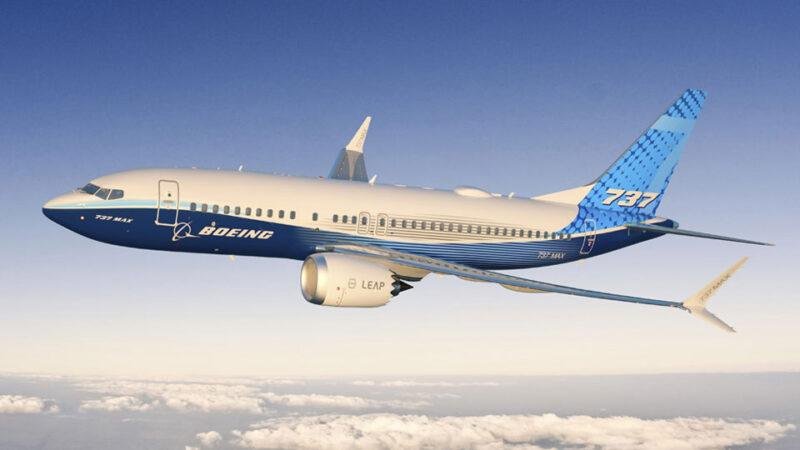
Boeing 737 MAX crack inspections are now mandatory after the FAA issued a final airworthiness directive Thursday covering 471 US-registered jets and roughly 1,429 aircraft worldwide. The directive targets a structural reinforcement called the “bear strap,” located near the forward service door on the right side of the fuselage — but notably, no cracks have actually been found on any 737 MAX currently in service.
The inspections apply to the 737-8, 737-9, and 737-8200 models and take effect September 10.
Table of Contents
What the FAA Directive Requires
The FAA’s final airworthiness directive, published in the Federal Register on August 6, requires operators to inspect the fuselage skin and bear strap for cracking, along with additional checks on aircraft that have existing repairs in the area. The order applies to an estimated 471 US-registered jets and 1,429 aircraft worldwide, covering the 737-8, 737-9, and 737-8200 variants.
Airlines must inspect the area on a schedule tied to how heavily each aircraft has been flown, and repair any cracking found before returning the jet to service. The FAA stopped short of grounding any aircraft, saying the inspection timetable provides multiple opportunities to catch cracking well before it could reach a dangerous size.
“The FAA is issuing this AD to address cracks in the fuselage skin and bear strap, which may lead to the inability of the principal structural element to sustain limit loads.”
What Is the Bear Strap, and Why Does It Matter
The bear strap is a structural reinforcement positioned at the forward upper corner of the forward galley door cutout, on the right side of the fuselage. It helps redistribute stress loads around the door opening during each pressurization cycle — a process the aircraft undergoes on every flight.
Over time, repeated takeoffs and landings can cause cracking to develop near door corners like this one. If undetected, that cracking could eventually compromise the fuselage’s ability to handle normal operating loads. This is exactly why the Boeing 737 MAX crack inspections follow a usage-based schedule rather than a flat calendar deadline.
- The directive covers 471 US-registered aircraft and 1,429 worldwide
- It takes effect September 10, 2026
- No cracks have been found on any 737 MAX in service to date
- Inspection scheduling is based on each aircraft’s accumulated flight cycles
How This Traces Back to the 737 NG Fleet
This is not the first time Boeing has dealt with bear strap cracking. Boeing identified the issue on older 737 Next Generation aircraft in 2019 and notified operators with inspection instructions at the time. The FAA mandated NG inspections in 2021.
Boeing has since extended the inspection program to the 737 MAX fleet, reasoning that the MAX shares comparable engineering and production methods with the NG. The company said this extension was precautionary — a proactive step based on shared design lineage, not a response to any confirmed MAX-specific defect.
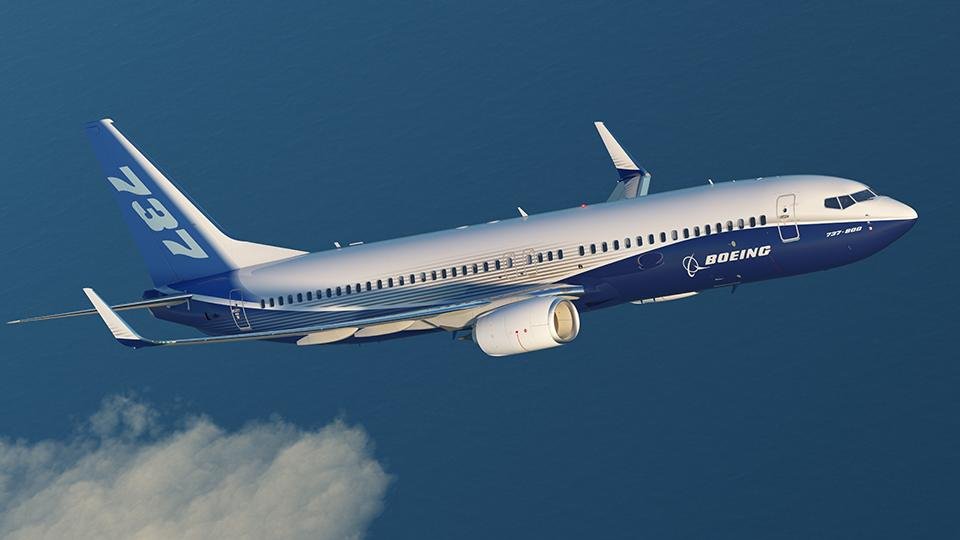
Because the NG and MAX families share so much structural design around the door cutout, engineers treat the two fleets as closely linked for this specific issue — which is part of why the Boeing 737 MAX crack inspections extend the NG precedent rather than starting from scratch.
Boeing’s Response
Boeing said it is conducting an engineering analysis to determine the root cause of the cracking and is developing manufacturing changes intended to prevent the issue on future aircraft.
“This issue has not been observed on the 737 MAX fleet, but Boeing extended the inspections to 737 MAX airplanes as the model shares a similar design and build process,” the company said in a statement.
Southwest Airlines, one of the largest MAX operators, told CBS News it was assessing the directive and intends to carry out the required checks on its affected fleet.
What This Means for Passengers
For travelers, this directive is unlikely to cause visible disruption. Because the FAA opted for scheduled inspections rather than an immediate grounding, airlines can fold the checks into normal maintenance cycles rather than pulling aircraft out of service all at once.
The directive follows a string of high-profile Boeing quality issues in recent years, including the fatal 737 MAX 8 crashes of 2018 and 2019, and a 2024 incident in which a door panel detached mid-flight from an Alaska Airlines MAX 9. Those events have kept structural and manufacturing scrutiny of the MAX program elevated even when, as with this round of Boeing 737 MAX crack inspections, no in-service defect has actually been confirmed.
FAQ: Boeing 737 MAX Crack Inspections
Have cracks actually been found on 737 MAX jets?
No. Cracks have been confirmed only on older 737 Next Generation aircraft. The MAX inspection order is precautionary, based on the two models sharing similar design and manufacturing processes.
Will any 737 MAX jets be grounded?
No grounding has been ordered. The FAA is requiring scheduled inspections based on aircraft usage rather than pulling jets from service immediately.
When do the inspections need to be completed?
The directive takes effect September 10, 2026. Individual inspection deadlines depend on how many flight cycles each aircraft has accumulated.
Looking Ahead
The Boeing 737 MAX crack inspections are a reminder that even precautionary, no-defect-found orders draw heavy scrutiny for this program, given its safety history. How quickly Boeing identifies a root cause — and whether it affects future production rates — will be worth watching in the months ahead.
The Aviation Diary will continue tracking developments involving Boeing, the FAA, and 737 MAX fleet operations.
Sources
For additional information about this story: