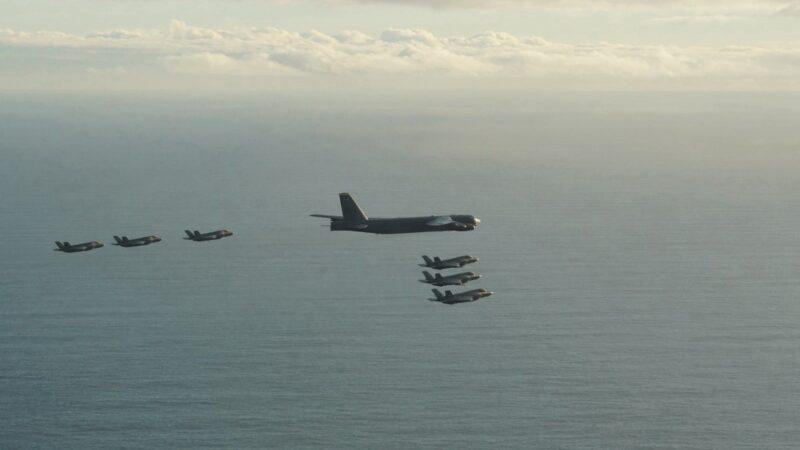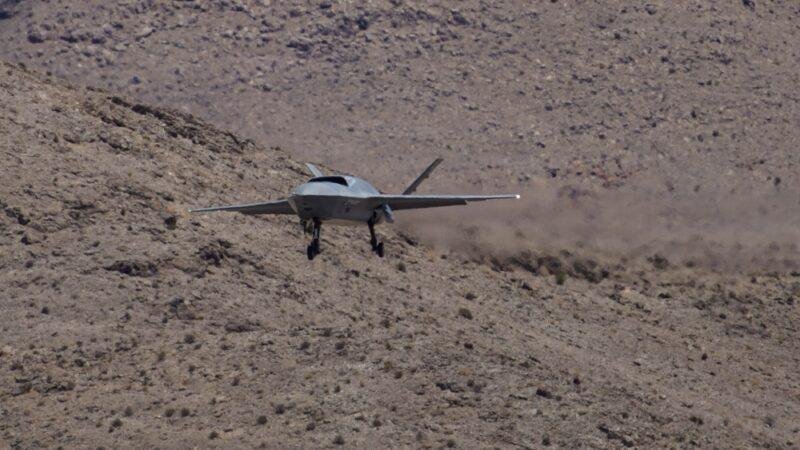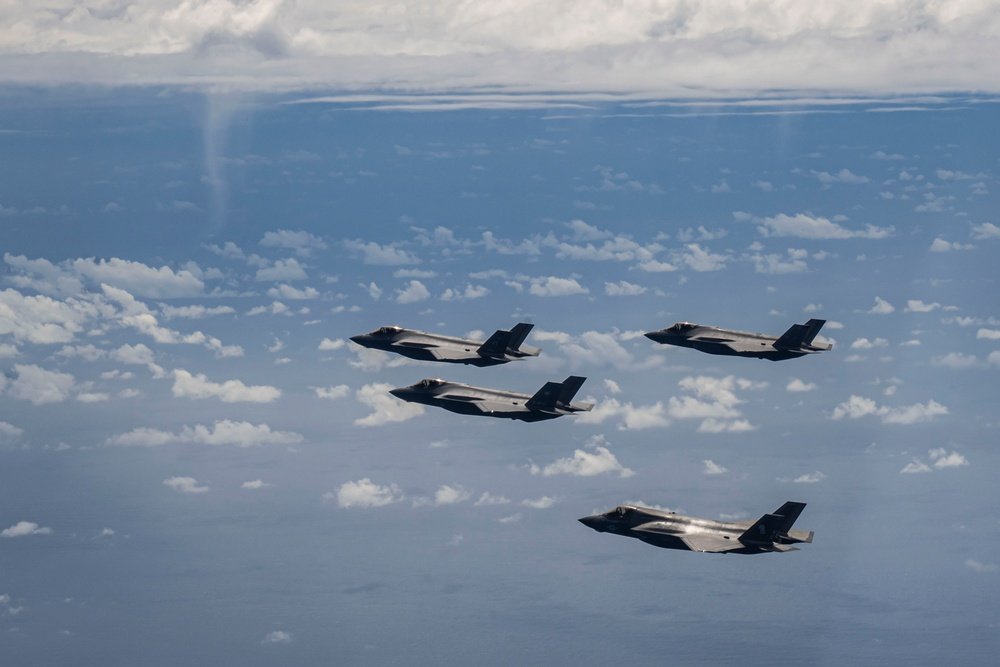
The Senate fighter budget released by appropriators on Nov. 16 would increase the U.S. Air Force’s fiscal 2027 F-35A purchase to 29 and reduce its F-15EX purchase to 18. The administration’s base request called for 24 of each. The proposal also adds advance procurement funding for the Eagle II, even as it lowers the number of aircraft to be purchased in the fiscal year.
The Senate Appropriations Committee published the defense proposal with four other fiscal 2027 funding measures. The proposed fighter quantities reflect the committee’s spending choices at this stage of the process. Final appropriations and the contracts used to buy the aircraft are separate milestones.
Table of Contents
What the Senate fighter budget would change
The committee’s aircraft procurement table adds five F-35As and about $704 million on the main Air Force F-35 purchase line. On the main F-15EX line, it drops six aircraft and about $619 million relative to the request. Together, the two lines show 47 fighters in the committee version versus 48 in the base request. The mix moves toward the F-35A, with one fewer aircraft across those two purchase lines.
The table lists advance procurement separately. The committee proposes adding $245 million on that line for the F-15EX. Readers comparing the two variants should keep the aircraft totals and the advance-procurement amounts distinct. The latter concerns spending ahead of a purchase and does not add six aircraft back into the fiscal 2027 total.
The proposed changes apply to the Air Force’s aircraft procurement table. Other services buy different variants of the F-35 through their own lines. Adding them to the total would answer a different question from how the Air Force’s two fighter purchases changed.
Why multiyear authority matters
The explanatory statement also declines to support the requested multiyear procurement authority for the F-35 and F-15EX. Multiyear procurement authority can allow the government to contract for a span of orders rather than seeking terms for each annual lot. It is a separate congressional decision from the number of jets funded for fiscal 2027.
Appropriators described concerns with several multiyear requests, including funding adequacy and the ability to produce at scale. Their explanation covers multiple programs and does not assign every concern to both fighter types individually. Air & Space Forces Magazine’s analysis also identifies the administration’s reliance on funding beyond the base budget as part of the broader spending debate.
The proposal also reduces proposed F-47 development funding by about $603 million to roughly $4.4 billion, Air & Space Forces Magazine reported. It separates development funding for future aircraft from purchases of aircraft already in production.
Boeing Defense chief Steve Parker told Axios on Nov. 19 that initial F-47s were in production and cited a 2028 first-flight target, a date the Air Force had already discussed publicly. The November interview did not establish a change to that schedule.
How the proposal fits with the Eagle II rollout
The budget release followed the arrival of the first permanently assigned Eagle IIs at Kadena in Okinawa, which TAD covered separately. The base’s transition from legacy F-15s involves aircraft already entering service. The Senate fighter budget addresses future aircraft purchases and advance procurement, and the committee tables do not say where the proposed jets would be assigned.
That distinction matters for readers following the program. A change in the quantity shown in one year’s procurement table is an issue for the order pipeline. It does not by itself change which aircraft have reached a base or what the Air Force has announced about that base’s transition.
FAQ: Senate fighter budget
How many jets are in the Senate fighter budget?
The committee tables show 29 Air Force F-35s and 18 F-15EXs under the proposed fiscal 2027 purchase.
What is the extra $245 million for?
It appears on the separate F-15EX advance procurement line.
Are these the final fiscal 2027 quantities?
The figures come from the Senate committee proposal released Nov. 16. Final congressional action and contracting will establish the funded quantities.
Looking Ahead
The next comparison is with the final appropriations language and any procurement changes that emerge from congressional negotiations. The F-15EX advance procurement line is worth tracking alongside the headline jet counts.
Sources
- Senate Appropriations Committee funding release
- Senate defense explanatory statement
- TAD reporting on the F-15EX arrival at Kadena
- Air & Space Forces Magazine on the fighter proposal
- Axios interview with Boeing Defense CEO Steve Parker
- July reporting on the Air Force’s existing F-47 target
- Featured photo credit — U.S. Air Force/Airman 1st Class Thomas Hansford (U.S. public domain)