C-130J Senate funding would add nine military transports in fiscal 2027 under the defense appropriations proposal released Nov. 16. On a separate tanker line, appropriators kept the requested quantity of 15 KC-46As and backed multiyear procurement authority for the Pegasus. The two decisions address different aircraft and different parts of the purchasing process.
The committee’s public release introduced the defense measure alongside four other fiscal 2027 bills. Fighter purchases drew attention in the same document, but the Air Force procurement tables also show a substantial change in airlift. The committee’s text sets out proposed amounts and congressional support for particular contracting tools.
Table of Contents
How C-130J Senate funding changes the airlift table
The Senate explanatory statement shows about $637 million on the requested C-130J line with no procurement quantity entered. The committee column shows nine aircraft and about $2.19 billion, an increase of $1.557 billion on that line. The distinction between the dollar entry and the quantity entry matters because the original table already included money for the program.
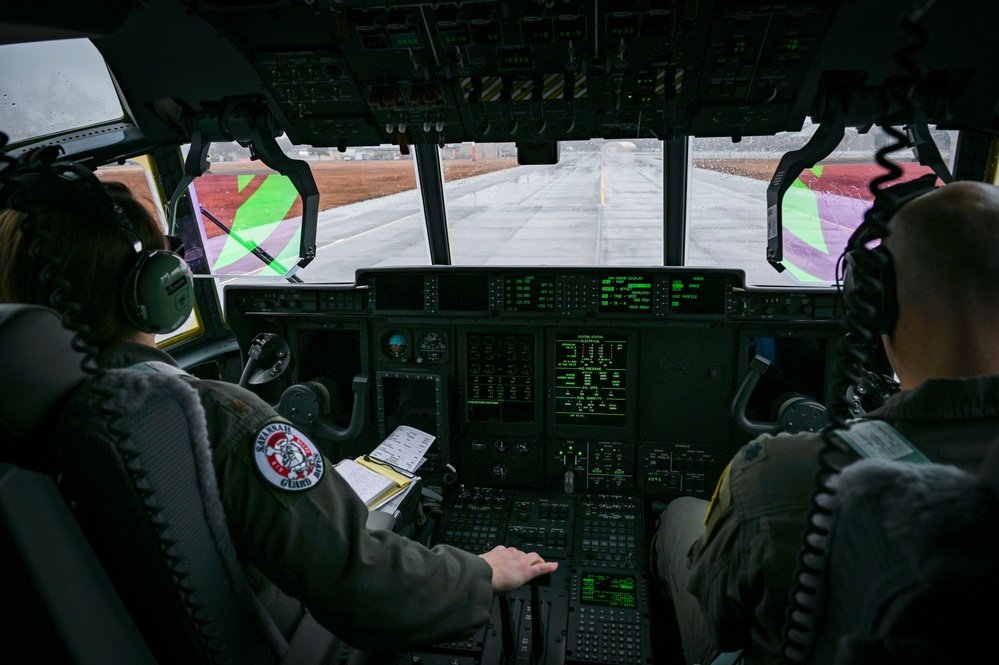
The C-130J is a tactical transport. Its procurement line is in the airlift portion of the Air Force table, alongside aircraft that carry out other support missions. The extra airlifters are a distinct proposed purchase. The public table does not identify which units would receive them or publish a delivery sequence.
The table’s overall airlift aircraft subtotal rises by about $1.52 billion. That is slightly smaller than the C-130J line’s increase because the KC-46A line decreases by about $41 million. Looking at the subtotal and both component lines shows how one aircraft program can account for most of a wider change in spending.
What the proposal says about the KC-46A
The committee proposes keeping 15 KC-46As, matching the requested aircraft quantity. The accompanying statement supports multiyear procurement authority for the program. That authority would let the government pursue a contract that spans more than one year, subject to the final legislation and the contracting process.
A tanker quantity in one year’s table and support for multiyear authority are separate signals. The first describes the number of aircraft in the proposal for that fiscal year. The second concerns how the government might place future orders. The committee’s support does not give a contract price, award date or final number of aircraft in a multiyear deal.
What the airlift and tanker lines show together
The numbers show that appropriators can expand one part of the transport fleet while leaving another aircraft’s annual quantity unchanged. The C-130J entry shows direct support for nine transports. The KC-46A figures show a stable near-term purchase count alongside support for a longer contracting arrangement.
TAD has previously covered KC-46 operational testing, which tracks how aircraft already in service are used. The C-130J Senate funding proposal concerns how future aircraft might enter the inventory. Operational testing and appropriations answer different questions for readers following the fleet.
FAQ: C-130J Senate funding
How many transports does C-130J Senate funding add?
The Senate committee’s table adds nine C-130J aircraft on its proposed fiscal 2027 line.
Does the committee propose more KC-46As this year?
The table keeps the requested quantity of 15 tankers and reduces the proposed spending on that line by about $41 million.
Has a multiyear KC-46A deal been signed?
The explanatory statement supports procurement authority. That statement is a budget proposal and establishes no contract award.
Looking Ahead
Final funding language will show whether nine C-130Js and KC-46A multiyear authority survive negotiations. A future contract announcement would provide the procurement terms and delivery details the budget tables leave open.
Sources
- Senate defense explanatory statement and tables
- Committee release on the final five FY27 bills
- TAD coverage of KC-46 operational testing
- Featured photo credit — U.S. Air National Guard/Master Sgt. Caila Arahood (U.S. public domain)