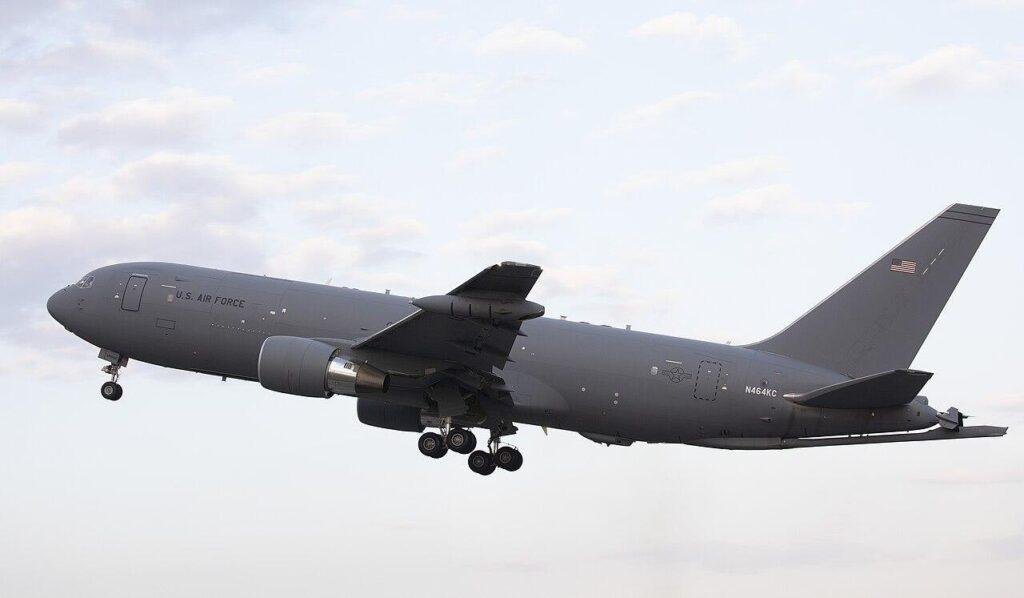
KC-46 AI cockpit testing reached a new reported milestone after Beacon AI said its Murdock pilot assistant had flown aboard operational U.S. Air Force tankers on five flights. The company announced the results on October 27, 2026, describing a series of trials involving three Boeing KC-46A aircraft and roughly 20 hours of flight activity during August and September.
The system is intended to provide crew members with information and mission support; it is not reported to have controlled the aircraft. The distinction matters because operating an AI advisory tool in a cockpit is materially different from certifying an autonomous military transport or tanker.
Table of Contents
KC-46 AI Tests: What the Company Reported
Beacon AI’s official announcement states that Murdock accompanied crews on five KC-46A flights, spread across three aircraft and three airports. The release describes a limited operational test rather than an Air Force-wide rollout. These figures are company-reported program data, and no independent evaluation of the system’s full performance was published alongside the announcement.
The flights were intended to expose the assistant to real aviation environments and gather information about how crews could use it. A system that has operated during flights may still be undergoing changes to software, interfaces and operating procedures. The announcement does not certify Murdock as a replacement for trained pilots or existing cockpit equipment.
The Role of a Non-Controlling Pilot Assistant
Modern transport aircraft already rely on a combination of flight-management systems, checklists, crew coordination and established avionics. A proposed AI assistant may help crews retrieve or organize information, but its usefulness depends on accuracy, timeliness and the ability to avoid distracting pilots during high-workload phases of flight.
Beacon emphasized that Murdock provided advisory capability rather than direct flight control. That means the pilots and normal aircraft systems retained responsibility for operating the tanker. The announcement did not disclose a certified safety case showing that the assistant can handle every possible emergency, and such an assurance should not be inferred from trial flight hours.
Why the KC-46A Matters for Testing
The KC-46A Pegasus supports refueling and airlift missions that can involve complex airspace, aircraft coordination and time-sensitive crew decisions. Trialing an information assistant in that environment gives the developer exposure to operational workflows that differ from a training-only desktop simulation. It does not establish operational usefulness across all tanker missions or combat conditions.
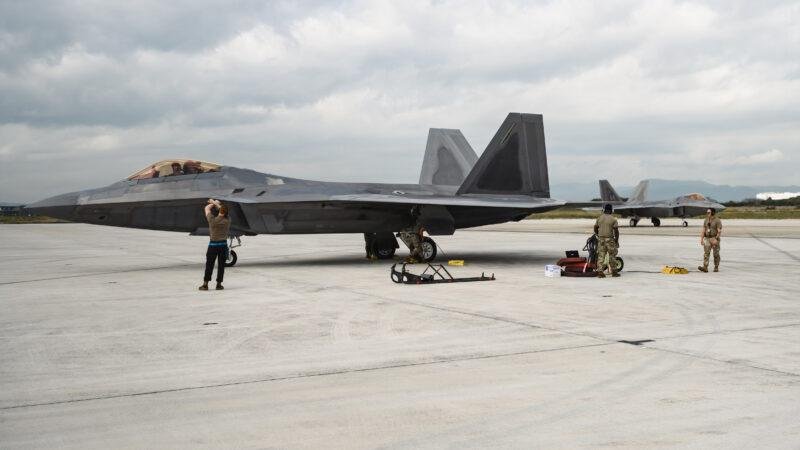
The Air Force has been exploring digital capabilities in several parts of its aviation enterprise. earlier TAD coverage previously covered F-22 participation in a multinational exercise in Japan, a separate example of how military aviation relies on coordination. Neither story should be taken as evidence that Murdock has been integrated into fighter cockpit or allied command systems.
Evaluation Questions Before Broader Deployment
The key questions for any future fielding decision include how consistently the assistant responds, what data it accesses, how it handles conflicts and whether crews find it beneficial. Software performance observed in five flights cannot substitute for a much larger, controlled assessment of human factors and safety under varied mission conditions.
Beacon has not announced a firm Air Force fleet installation contract or a date when every KC-46A will carry Murdock. The milestone is meaningful as a flight-test step, but the technology remains under evaluation. If future testing shows limitations, deployment decisions may change; that uncertainty is normal for an emerging cockpit-support system.
FAQ: KC-46 AI
How many KC-46 AI test flights occurred?
Beacon AI reported five test flights on three KC-46A tankers, representing about 20 hours in August and September 2026.
Did the AI system fly the tanker?
No. Beacon describes Murdock as an advisory cockpit assistant, not a system exercising flight control.
Is Murdock installed across the Air Force fleet?
The release described limited testing and did not announce a fleetwide operational installation.
Looking Ahead
Further testing and Air Force evaluation would be required before a broader deployment decision. Beacon has not provided a confirmed fleetwide service date, so future coverage should focus on independently documented test scope and any official procurement action.
Sources
prnewswire.com — original announcement