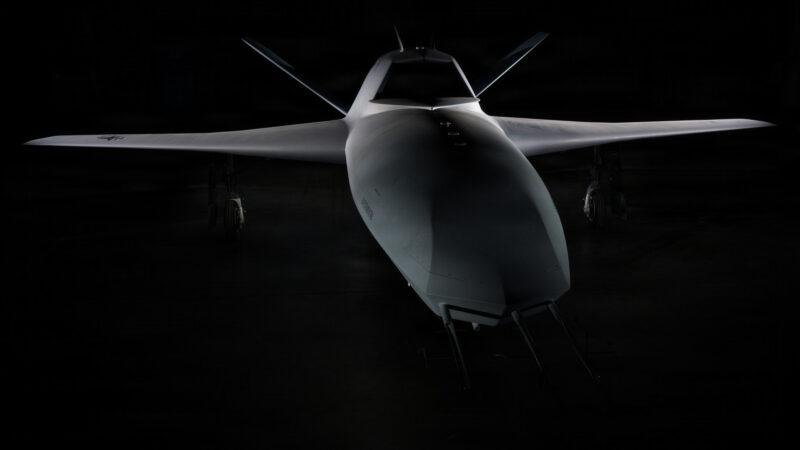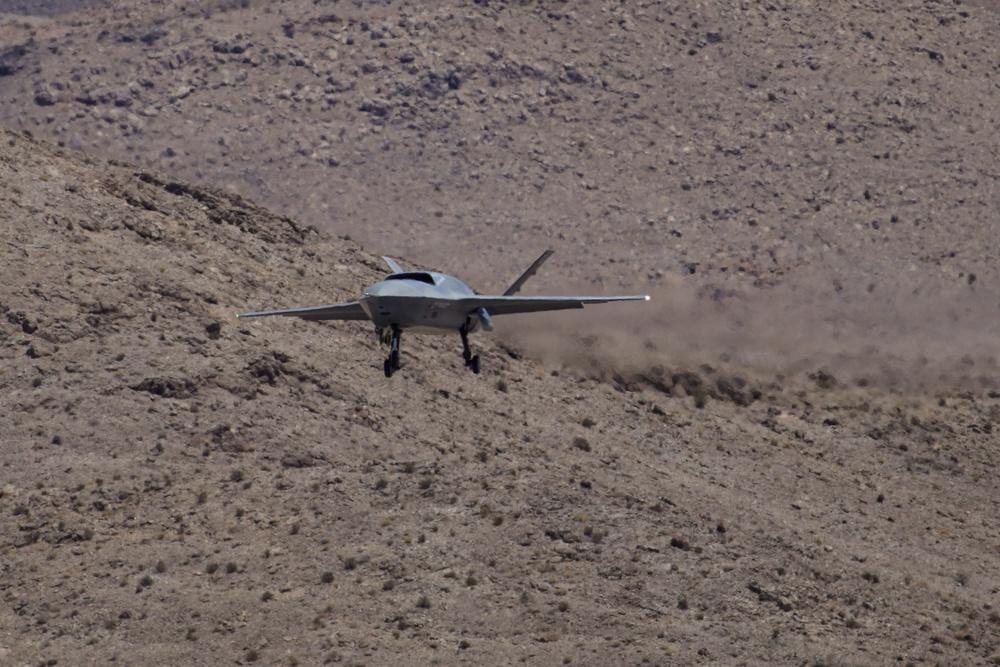
FQ-42 production plans gained a new industrial partner on Oct. 23, 2026, when General Atomics Aeronautical Systems announced that Spirit Defense, a Boeing company, will help design and manufacture fuselage structures for its uncrewed Vengeance aircraft.
The FQ-42 is being developed for the U.S. Air Force’s collaborative combat aircraft effort. General Atomics said the partnership is intended to add production capacity and reduce reliance on a single manufacturing organization as the program expands.
The announcement is about the industrial supply chain, not a declaration that the FQ-42 is conducting operational combat missions. A June contract to produce the aircraft preceded the Spirit Defense announcement, according to the company.
Table of Contents
FQ-42 Production Partnership and Boeing’s Role
General Atomics said in its October 23 statement that Spirit Defense will serve as a fuselage design-build partner. The Wichita-based business adds airframe engineering and manufacturing expertise to a program General Atomics has developed under its own industrial organization.
The partners describe the agreement as a way to improve capacity and production resilience. Separating work between organizations can reduce dependence on one factory or company for a complete aircraft, although it also requires configuration control and coordinated quality assurance.
Spirit Defense is identified as a Boeing company. Its appointment should not be treated as a Boeing prime contract award for the Air Force program; General Atomics remains the developer making the announcement.
The statement does not identify an exact number of fuselages to be produced at Spirit facilities, disclose prices for the subcontract or give a new delivery schedule. Those details will matter when the partnership progresses from announcement to sustained production.
Why the Air Force Is Developing Collaborative Aircraft
The FQ-42 Vengeance belongs to a broader U.S. effort to develop uncrewed aircraft that can work alongside piloted fighters. The concept combines autonomous functions, mission-system integration and human supervision, but the specific capabilities and operating limitations depend on testing and approval.
General Atomics describes FQ-42 as purpose-built for the collaborative combat aircraft role. The company said modular construction is designed to allow changes to mission systems and autonomy software without requiring an entirely new aircraft design each time.
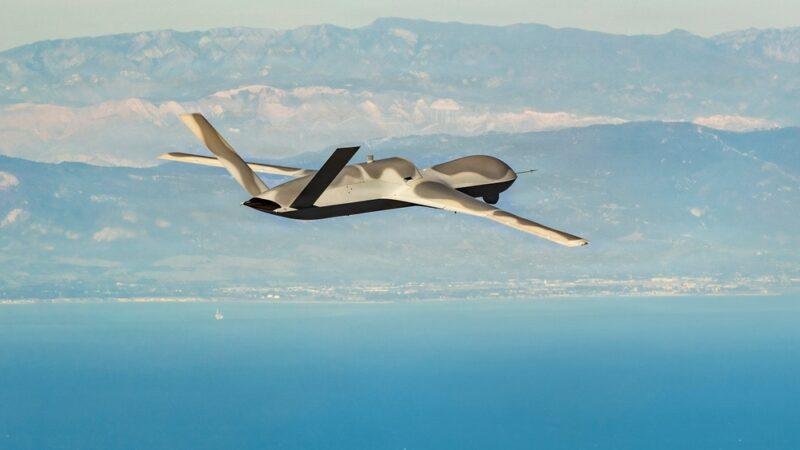
The contractor already makes the MQ-9 Reaper and other remotely piloted aircraft. However, FQ-42 is a different program and mission category. Familiarity with earlier drones should not be read as proof of the new fighter’s performance in operational conditions.
TAD previously reported on another uncrewed combat-aircraft test effort. That report concerns a separate vehicle, whereas this news involves General Atomics’ FQ-42 airframe manufacturing arrangements.
Manufacturing Scale and the Unanswered Questions
Air Force interest in collaborative platforms has made industrial scaling a prominent issue. Building prototypes is one challenge; producing large numbers with repeatable quality, tested software and maintainable components is another.
General Atomics said partnering could support faster output and reduce single points of failure. Those are stated objectives, not a measured increase in actual monthly aircraft production. Public reporting should distinguish a manufacturing plan from evidence of deliveries.
The company also indicated that its wider Gambit aircraft family could support different missions and attract international customers. That commercial discussion does not amount to export approval or an overseas order for FQ-42.
The next questions concern division of work, production milestones, integration tests and Air Force acceptance. The manufacturer has not supplied enough information to calculate a unit price or a firm operational fielding date from this announcement alone.
FAQ: FQ-42 production
What changed in FQ-42 production?
Spirit Defense was named as a fuselage design-build partner to General Atomics for the aircraft.
Is the FQ-42 already in operational service?
The announcement concerns manufacturing support. It does not report operational deployment or combat service.
Is Spirit Defense the aircraft’s main contractor?
General Atomics announced the partnership and remains the lead aircraft developer identified in the company statement.
Looking Ahead
FQ-42 production will be judged by verified manufacturing output, flight testing and Air Force acceptance milestones. General Atomics did not announce an exact new delivery timetable with the Spirit Defense partnership.
Sources
https://www.ga.com/ga-asi-partnering-with-spirit-defense-for-fq-42-cca-production