KC-10 tanker return to flight is under preliminary consideration for up to four retired U.S. Air Force aircraft, according to an industry request described in reporting published October 12, 2026. The prospective aircraft would support an unidentified partner country in North Africa.
AeroTime reported that an October 7 request for information from the Air Force Life Cycle Management Center seeks to determine whether companies could restore, deliver and support the former U.S. military tankers. A request for information is not an award or a transfer approval.
The plan would potentially give aircraft built for long-range refueling a second operator. Significant maintenance, training and sustainment work would still be required before any stored airframe could return to flying service.
Table of Contents
KC-10 Tanker Return Scope Covers Up to Four Airframes
The reported request contemplates regenerating as many as four KC-10 Extenders now outside active U.S. Air Force service. AeroTime says the work could include depot-level maintenance, a one-time flight clearance and delivery to the receiving country. No individual tail numbers or completed aircraft selections were named.
The same inquiry reportedly requests contractor logistics support, operational training, maintenance instruction and three to five years of sustainment support. This kind of package is more extensive than a simple disposal sale because a recipient must be able to operate and maintain the aircraft after handover.
The notice was issued to learn whether industry can accomplish the work and at what estimated cost. The U.S. Air Force has not announced a formal request for proposals, contractor selection or final recipient agreement. Reporting the inquiry as an authorized sale would therefore overstate its stage.
A Retired Refueling Aircraft Would Need Extensive Work
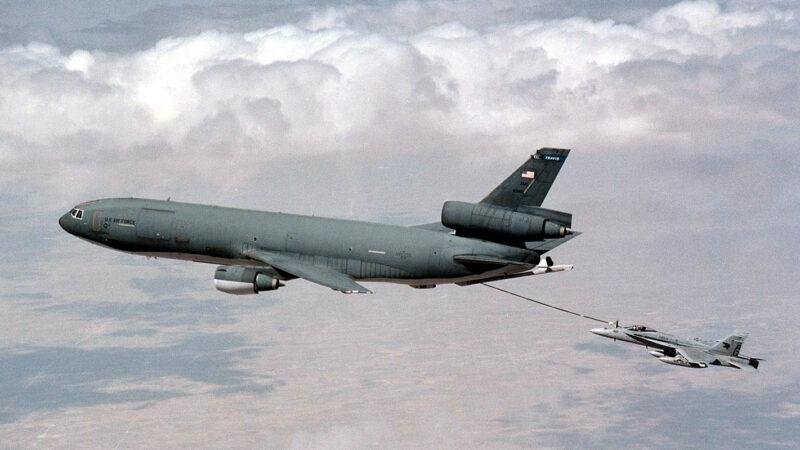
The KC-10 Extender was developed from the McDonnell Douglas DC-10 commercial airliner and entered U.S. Air Force service in 1981. It can transport cargo and refuel military aircraft using a flying boom or a hose-and-drogue arrangement, supporting different receiver configurations.
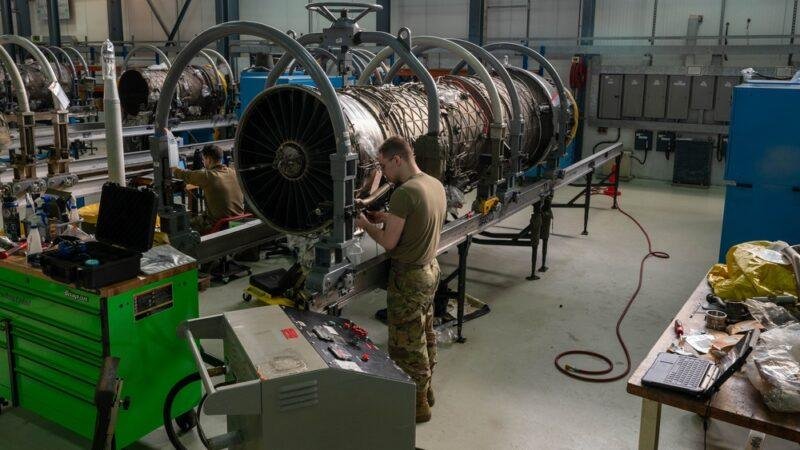
The U.S. Air Force retired its final KC-10 in September 2024 after more than four decades of service. Storage protects some aircraft from weather and preserves components, but long periods out of operation do not remove the need for structural inspections, component overhaul, documentation and flight-test approvals before returning to use.
AeroTime says the proposal would use the U.S. Excess Defense Articles process as part of a possible Foreign Military Sales arrangement. Under that framework, equipment may be provided in its existing condition, and regeneration or delivery costs remain separate practical questions.
North African Recipient and Program Funding Are Unknown
The prospective North African partner has not been publicly identified in the reporting reviewed. The Air Force also has not announced funding, a delivery timetable, final aircraft count or contractual obligations. Those omissions are important because a preliminary industry survey can end without any acquisition.
The proposed life-extension effort would also need reliable spare parts, technical data, maintenance training and a durable support organization. Those are consequential challenges for an aircraft type no longer operated by its original U.S. military customer.
Industry interest in former KC-10s extends beyond governments. AeroTime reported that Omega Air announced plans earlier in 2026 to restore some retired aircraft for contracted refueling work. That separate commercial initiative is not evidence that the North African request has received approval or that the two efforts share aircraft.
FAQ: KC-10 tanker return
Has the United States approved a KC-10 transfer to North Africa?
No. The reported document is a request for information to assess feasibility; no approved transfer or recipient has been announced.
How many KC-10 aircraft could return to service?
The reported scope covers up to four retired KC-10s, not a confirmed four-aircraft delivery.
What would contractors be asked to provide?
Potential work includes restoring airworthiness, delivery, operator and maintainer training, and three to five years of logistical support.
Looking Ahead
A formal request for proposals, identified recipient and funding or transfer approval would be concrete signs of progress. Until those appear, the regeneration concept remains an industry feasibility inquiry rather than an operational aircraft program.
Sources
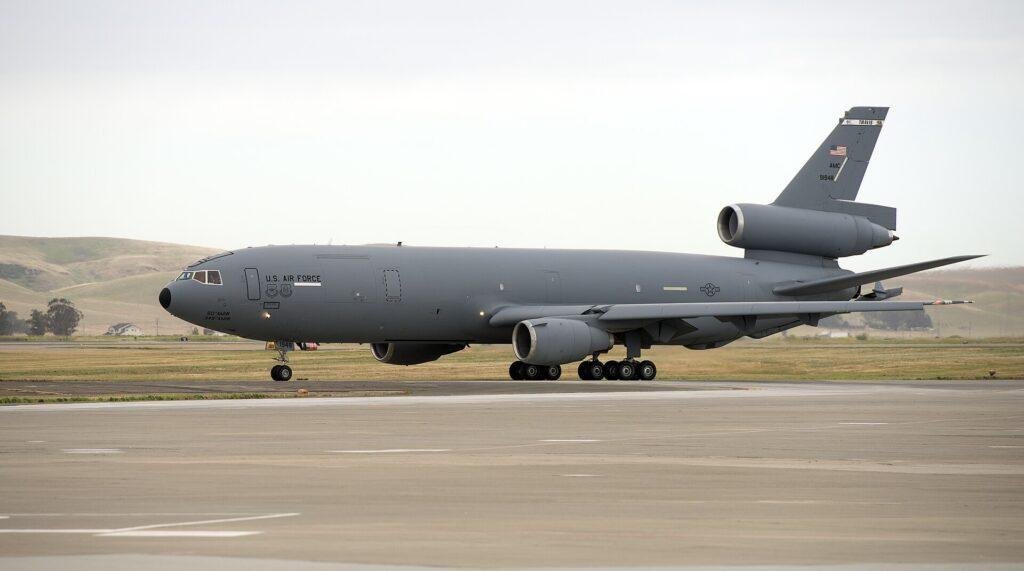
Featured image: A U.S. Air Force KC-10 Extender at Travis Air Force Base in 2015. File photo: Heide Couch / U.S. Air Force; not an aircraft identified for the proposed transfer. Photo: Heide Couch / U.S. Air Force. License: U.S. government public domain. Source: Wikimedia Commons image page (license). Image scaled for web without other edits.