Joint Base Charleston renamed after Lindsey Graham is a historic decision by the U.S. Air Force to honor the late South Carolina senator’s decades of military advocacy and public service. The move recognizes Graham’s long-standing support for the armed forces, defense modernization, and Joint Base Charleston’s critical role in America’s global air mobility mission.
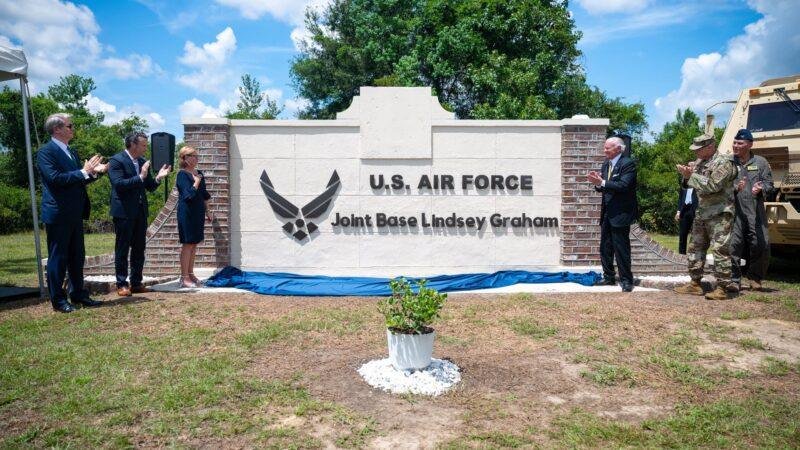
Update: The renaming has since been officially completed. Defense Secretary Pete Hegseth led a ceremony unveiling the new installation sign and name. Read our full coverage: Joint Base Lindsey Graham Officially Unveiled in Ceremony.
Although the renaming process took time to complete, the announcement sparked discussion across military, political, and aviation communities when it was first made. Here are seven key facts about what the decision meant and why it mattered.
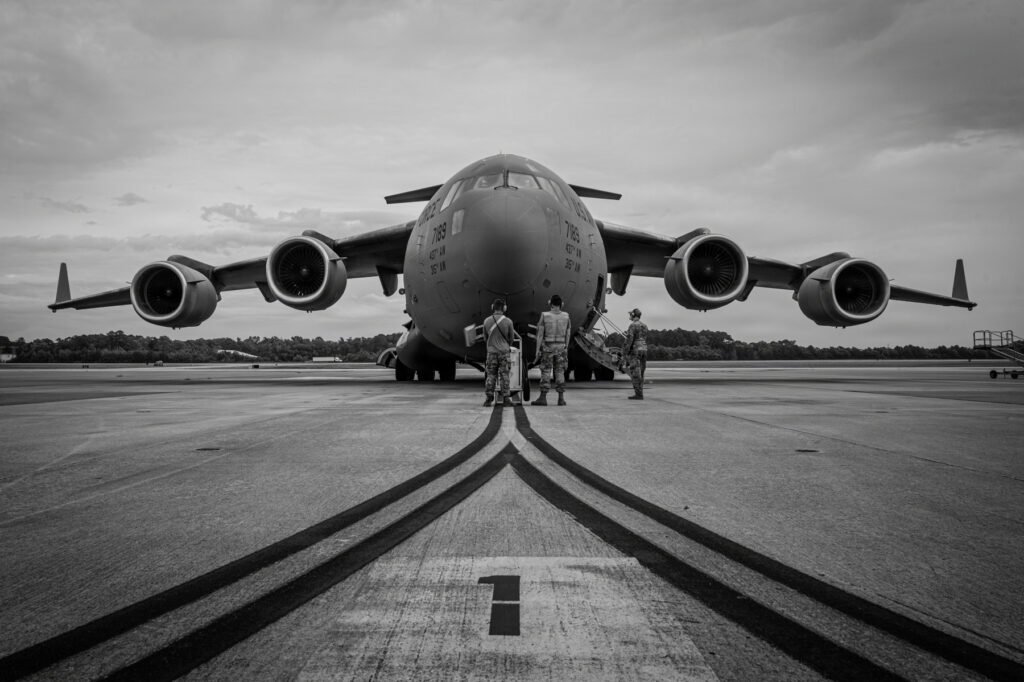
Table of Contents
1. Why Joint Base Charleston Renamed After Lindsey Graham
The decision to have Joint Base Charleston renamed after Lindsey Graham recognizes his decades of support for the U.S. military during his time in the Senate.
Graham served for years on the Senate Armed Services Committee, where he consistently supported military readiness, modernization, and funding for the Department of Defense. He was also a strong advocate for South Carolina’s military installations, including Joint Base Charleston.
Supporters say the renaming honors his commitment to service members and national security.
2. Joint Base Charleston Is One of America’s Most Important Air Bases
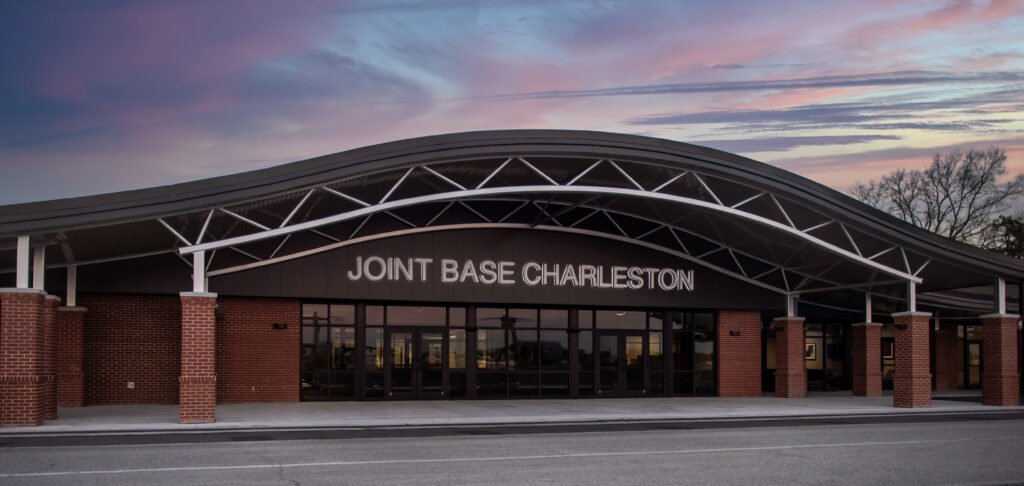
Joint Base Charleston, located in South Carolina, was created in 2010 through the Base Realignment and Closure (BRAC) process by combining Charleston Air Force Base and Naval Support Activity Charleston.
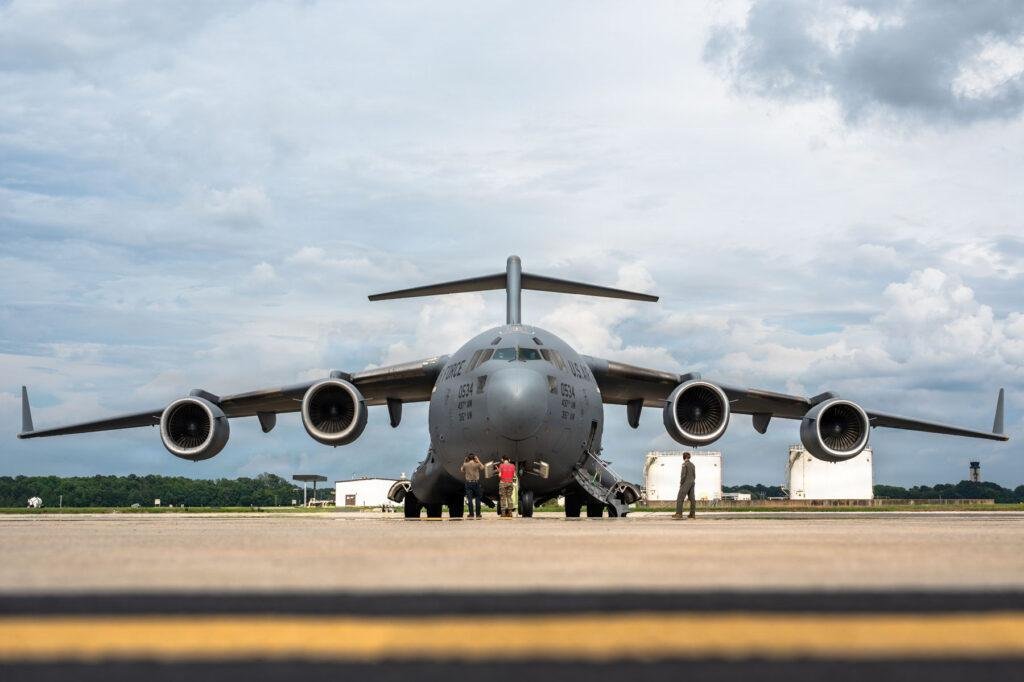
The installation is home to the 437th Airlift Wing and 315th Airlift Wing, operating the Boeing C-17 Globemaster III. These aircraft provide global strategic airlift, humanitarian relief, aeromedical evacuation, and rapid deployment missions worldwide.
Joint Base Charleston at a Glance
| Category | Information |
|---|---|
| Location | Charleston, South Carolina |
| Major Command | Air Mobility Command |
| Primary Aircraft | Boeing C-17 Globemaster III |
| Established as Joint Base | 2010 |
| Primary Mission | Strategic Airlift & Global Mobility |
| Personnel Supported | More than 20,000 military members, civilians and families |
3. Why the Renaming Is Significant
The announcement that Joint Base Charleston renamed after Lindsey Graham was notable because military installations are rarely renamed to honor modern political leaders.
Supporters believe Graham’s decades of defense leadership make him deserving of the recognition. Others see the decision as part of a broader conversation about how the nation honors individuals who have shaped U.S. military policy.
Regardless of perspective, the renaming represents a significant milestone in the history of one of the Air Force’s premier mobility installations.

4. How the Renaming Process Worked
When Joint Base Charleston renamed after Lindsey Graham was first announced, officials said the official transition would occur over time.
The Department of the Air Force updated official documents, installation signage, maps, digital platforms, and operational publications before the new name was fully implemented. The transition concluded with a formal ceremony led by Defense Secretary Pete Hegseth — read the full ceremony coverage here.
Military operations at the base continued without interruption throughout the process.
5. A Key Hub for Global Air Mobility
Joint Base Charleston remains one of Air Mobility Command’s most important installations.
Its fleet of Boeing C-17 Globemaster III aircraft supports combat deployments, humanitarian assistance, disaster relief operations, and strategic cargo transportation around the globe.
The installation’s strategic location on the East Coast allows aircraft to rapidly deploy personnel and equipment to Europe, Africa, the Middle East, and beyond.
6. Reactions to the Decision
The announcement that Joint Base Charleston renamed after Lindsey Graham generated reactions from veterans, service members, elected officials, and local community leaders.
Many supporters described the move as a fitting tribute to Graham’s decades of work on defense issues. Others emphasized the importance of preserving historical context whenever military installation names change.
As with many high-profile military decisions, opinions remained mixed.
7. What Happened Next
Following the announcement, the Department of the Air Force completed the renaming process, culminating in an official ceremony led by Defense Secretary Pete Hegseth.
The base’s new signage, digital platforms, and printed materials now reflect the Joint Base Lindsey Graham name. For full details on the ceremony itself, see our complete coverage of the official unveiling.
Regardless of its name, the installation continues serving as one of the Air Force’s most important strategic airlift installations.
Final Thoughts
Joint Base Charleston renamed after Lindsey Graham marked a historic chapter for one of America’s most important military installations. Whether viewed as recognition of decades of public service or as part of a broader discussion about honoring national leaders, the decision highlights the close relationship between defense policy and military communities.
Joint Base Lindsey Graham, as it is now known, continues fulfilling its mission of supporting global mobility, humanitarian operations, and national security around the world.
FAQ: Joint Base Charleston Renaming
What is Joint Base Charleston’s new name?
The installation is now officially named Joint Base Lindsey Graham, following a memo signed by Secretary of the Air Force Troy Meink directing staff to begin the conversion process, and a formal ceremony completing the transition.
When did the renaming take effect?
The Department of the Air Force updated signage, documents, digital platforms, and operational publications over several months following the initial announcement, with the transition formally completed at a ceremony led by Defense Secretary Pete Hegseth. Base operations continued without interruption throughout.
Why is Joint Base Charleston being renamed after Lindsey Graham?
The Air Force cited Graham’s decades of service in the U.S. Air Force Reserve and his advocacy for military funding and infrastructure, including his long-standing support for Joint Base Charleston, as chairman of the Senate Armed Services and Budget committees.
Sources
For additional information about this story:
- U.S. Air Force
- Joint Base Charleston
- The Aviation Diary — Joint Base Lindsey Graham Officially Unveiled in Ceremony