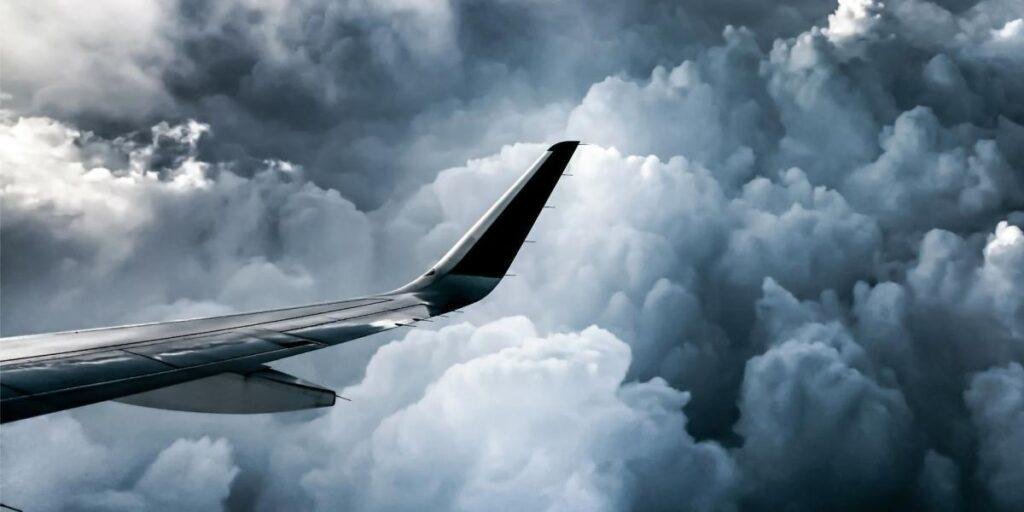
Airplane turbulence is irregular movement of air that can make an otherwise routine flight feel unexpectedly rough. It may develop near thunderstorms, mountain ranges, weather fronts, or fast-moving jet streams, and some turbulence occurs when the sky appears clear.
The FAA notes that turbulence is common, while unsecured passengers can be injured if sudden movement throws them against cabin surfaces. That makes the simplest precaution—keeping a seat belt fastened while seated—an important part of everyday flight safety.
The experience can be unsettling because passengers cannot see the air moving around an aircraft. Understanding the causes and the flight crew’s options makes the bumps easier to interpret without dismissing genuine injury hazards.
Table of Contents
What Causes Airplane Turbulence During a Flight?
Wind does not move in one uniform direction or at one uniform speed. Different air masses can meet, shear against each other, or flow over terrain. A jet crossing those changing currents can experience quick shifts in vertical and lateral airflow, which passengers perceive as jolts, rolling, or brief changes in the force pressing them into their seats.
Thunderstorms can generate strong updrafts and downdrafts, so crews work to avoid hazardous convective weather rather than simply flying straight through it. Mountain-wave effects may extend away from the terrain that generated them. Jet-stream boundaries can also produce rough air at cruising altitude, even without towering clouds nearby.
Clear-air turbulence gets its name from the lack of a visible cloud warning, not from an absence of weather processes. Because no single sensor identifies every patch of rough air, crews use forecasts, pilot reports, onboard information, and air traffic coordination to adjust flight paths when appropriate.
The FAA also classifies turbulence by how an aircraft responds. Light turbulence produces slight, irregular changes in motion. Moderate turbulence brings more noticeable bumps or changes in altitude or attitude, although the aircraft remains under positive control. Severe turbulence can cause large, abrupt changes and momentarily disrupt control. Extreme turbulence, a separate and more violent classification, can make control exceptionally difficult and may cause structural damage. These terms describe aircraft response, not simply how uncomfortable the ride feels to a passenger.
How Pilots and Flight Attendants Manage Turbulence
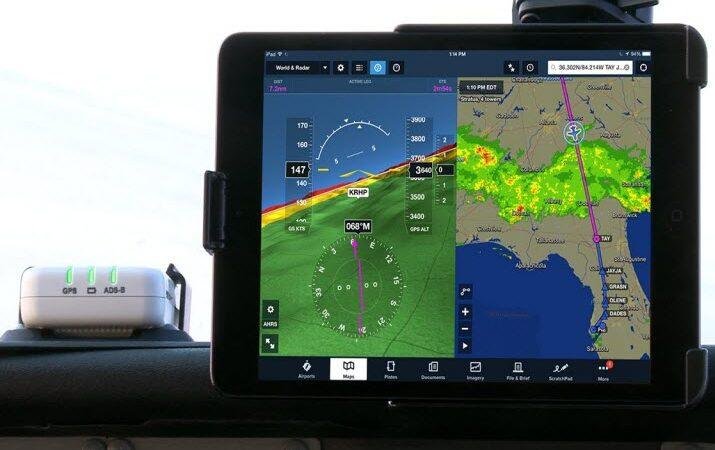
Flight crews plan routes using weather products and receive updates during flight. When conditions change, pilots may request a different altitude or route. That request must fit the available airspace, traffic separation, terrain, fuel planning, and aircraft limitations; it is not always possible to move immediately to smoother air.
Flight attendants may stop service, secure carts, and take their own seats when the pilots expect rough conditions. Those decisions are precautions, not automatic signs of an aircraft malfunction. Cabin crews are particularly exposed because their work often requires standing while passengers are seated.
An airplane can experience a brief bump even during an otherwise stable flight. Crews distinguish passenger comfort from operational safety and choose responses based on severity, forecasts, and aircraft conditions. A detour that seems unnecessary from a window seat may reflect weather radar information passengers cannot see.
What Passengers Can Do to Reduce Injury Risk
The FAA’s advice is straightforward: keep the belt low and snug around the hips whenever seated, including when the seat-belt sign is off. Sudden turbulence can arrive before anyone has time to make an announcement. A properly secured belt helps prevent a passenger from being lifted into the ceiling or thrown across a row.
Loose personal items should be stowed so they do not become hazards during a sharp jolt. Travelers with children should follow approved child-restraint guidance rather than assuming an adult can hold a small child securely through unexpected movement. The safest response to a cabin crew instruction is to follow it promptly.
A turbulent flight is not, by itself, evidence that a pilot made an error or that the aircraft was damaged. Serious events require factual reporting from operators or investigators. For everyday travel, the most useful preparation is simple: listen to the briefing, stay secured, and expect occasional uneven air.
FAQ: airplane turbulence
Can airplane turbulence happen without clouds?
Yes. Clear-air turbulence can occur near jet streams and other atmospheric boundaries in skies that appear cloud-free.
Should I wear my seat belt when the sign is off?
Yes. The FAA advises passengers to keep seat belts fastened whenever seated because turbulence can arrive unexpectedly.
Does a bumpy flight mean the airplane is unsafe?
Not necessarily. Turbulence is common, although severe events can cause injuries and require operational assessment.
Looking Ahead
Weather forecasting, pilot reports, and cockpit guidance continue to improve, but no forecast removes every pocket of rough air. The lasting passenger takeaway is to remain buckled while seated and follow crew instructions.
Sources
- FAA — Turbulence: Staying Safe
- FAA — Passenger Safety Tips
- FAA — FAA Weather Services, Reporting Turbulence in PIREPs