The Archer Boeing deal announced Monday is one of the biggest acquisitions in advanced aerospace this year: Archer Aviation has agreed to acquire three Boeing subsidiaries — Wisk Aero, Insitu, and SkyGrid — in an all-stock transaction. In exchange, Boeing will receive newly issued Archer Class A shares and warrants positioning it to hold a stake of nearly 20% in Archer, along with the right to nominate a seat on Archer’s Board of Directors.
The companies confirmed in a joint statement that the transaction significantly changes Boeing’s role in the fast-growing autonomous aviation market. Instead of directly owning companies focused on electric air taxis, autonomous flight software, and drone systems, Boeing becomes one of Archer’s largest strategic shareholders while continuing to collaborate on future aerospace programs through a cross-licensing agreement.
Table of Contents
Key Takeaways
- The Archer Boeing deal sends Wisk Aero, Insitu, and SkyGrid to Archer in an all-stock transaction.
- Boeing will hold a stake of nearly 20% in Archer, plus warrants and a board seat.
- Boeing has also committed up to $55 million to an upcoming Archer funding round.
- The three units bring nearly 2 million combined flight hours and a profitable defense business to Archer.
- The deal was announced exactly three years to the day after Wisk and Archer settled a trade-secrets lawsuit.
“The next big step forward in becoming a diversified platform.”
What Is Included in the Acquisition?
The Archer Boeing deal brings together three well-known Boeing businesses under Archer Aviation’s roof.
Wisk Aero
Founded to develop autonomous electric vertical takeoff and landing (eVTOL) aircraft, Wisk has spent 16 years and six generations of aircraft advancing self-flying passenger aviation, logging more than 1,700 test flights along the way. Its Generation 6 aircraft is designed to operate without a pilot onboard, making it one of the most ambitious autonomous aviation programs in the industry. Notably, Wisk and Archer were rivals in an eVTOL trade-secrets lawsuit that the two companies settled in August 2021 — this acquisition was announced exactly three years to the day later.
Insitu
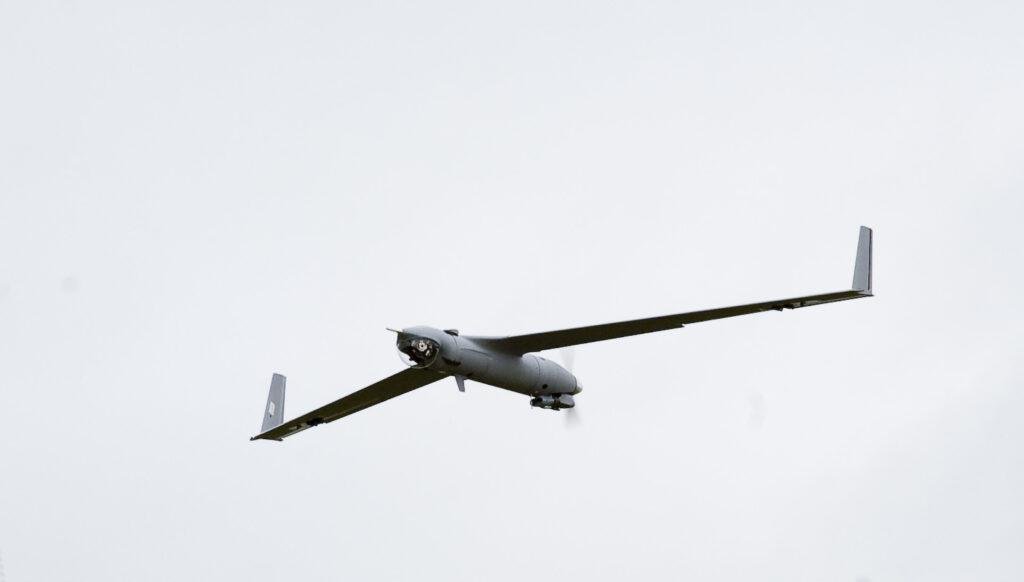
Insitu is a Boeing defense subsidiary specializing in unmanned aircraft systems. Founded in 1994 and acquired by Boeing in 2008, the Bingen, Washington-based manufacturer is best known for aircraft such as the ScanEagle and Integrator, which are widely used for intelligence, surveillance, and reconnaissance missions by military and government customers in 35 countries. It’s the deal’s most immediately material asset: Insitu is already profitable, generating more than $200 million in annual revenue.
SkyGrid
SkyGrid develops digital infrastructure for autonomous aviation, including airspace management, flight planning, and data services that help integrate autonomous aircraft into existing air traffic systems. It became a Wisk subsidiary in June 2025 before this deal folded it into Archer as well.
Together, these businesses give Archer expertise spanning electric aircraft, autonomous flight software, and defense aviation — nearly 2 million combined flight hours that Archer plans to feed into ZEE, its proprietary AI foundation model for aerospace and defense.
Why Boeing Is Restructuring Its Aviation Portfolio
The deal continues a divestiture strategy under Boeing CEO Kelly Ortberg, who took the role in August 2024 and has directed the company to concentrate resources on its core commercial airplane, defense, and space businesses. Boeing made a similar move last year, selling flight-planning provider Jeppesen and ForeFlight to private-equity firm Thoma Bravo for $10.55 billion in a sale that closed in November 2025.
Rather than operating multiple independent businesses in advanced air mobility, Boeing will remain invested through its nearly 20% ownership stake in Archer while allowing a dedicated company to lead future product development. Boeing also retains access to Wisk’s core autonomous flight technology through a cross-licensing agreement — reportedly a nod toward eventual autonomy features on its future commercial and defense platforms, according to The Air Current.
Archer Expands Beyond Electric Air Taxis
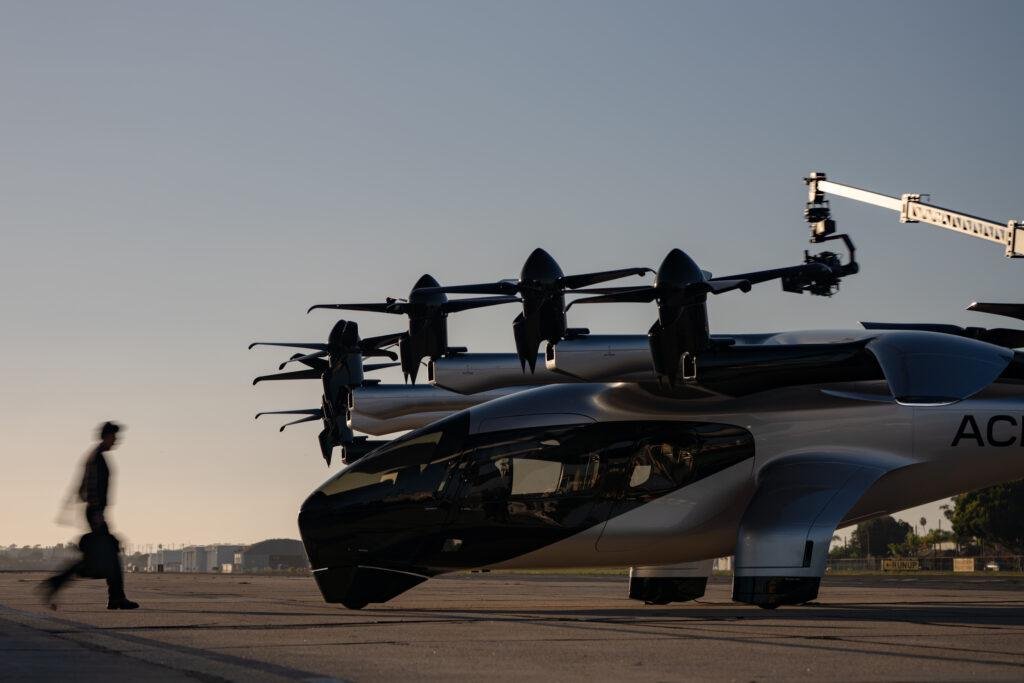
Although Archer is widely recognized for its Midnight electric air taxi, this acquisition dramatically broadens the company’s portfolio. Following the transaction, Archer gains capabilities in:
- Autonomous aircraft development
- Defense drone manufacturing
- AI-enabled flight operations
- Digital airspace management
- Military aviation technologies
Perhaps most significant is Insitu’s established customer base and hundreds of millions in annual defense revenue — instantly de-risking a company that has been largely pre-revenue as it works toward eVTOL certification. Archer’s stock (NYSE: ACHR) jumped roughly 20% on the announcement, while eVTOL rivals Joby Aviation and EHang barely moved.
What This Means for Boeing
For Boeing, the Archer Boeing deal is more than simply selling three subsidiaries. The company remains closely tied to Archer through its equity stake, warrants, and board representation, ensuring it continues to participate in future developments involving autonomous flight.
Instead of competing directly in the advanced air mobility market, Boeing is positioning itself as a strategic partner while concentrating management attention on commercial aircraft production, defense programs, and restoring operational performance across its core businesses. Boeing has also agreed to invest up to $55 million in an upcoming Archer funding round and will receive warrants to purchase up to $200 million of Archer stock in the future.
Why the Archer Boeing Deal Matters for Aviation
Electric aircraft, autonomous flight systems, artificial intelligence, and unmanned aircraft are no longer separate sectors — they’re increasingly becoming part of a single connected aviation ecosystem. By bringing together Wisk, Insitu, and SkyGrid, Archer becomes much more than an electric air taxi developer, combining passenger aviation, defense drones, autonomous software, and digital aviation infrastructure under one organization.
For Boeing, the move demonstrates that major aerospace manufacturers are looking for new ways to participate in emerging technologies without necessarily owning every business directly. Industry observers will likely view the Archer Boeing deal as one of the most significant strategic realignments in advanced aviation during 2026.
FAQ: Archer Boeing Deal
How much of Archer will Boeing own after the deal?
Under the Archer Boeing deal, Boeing is set to hold a stake of nearly 20% in Archer through newly issued Class A shares and warrants, along with the right to nominate one member to Archer’s Board of Directors.
Why is Insitu considered the most valuable part of the deal?
Insitu is already a profitable defense business, generating more than $200 million in annual revenue from unmanned systems like the ScanEagle and Integrator, operating in 35 countries — giving pre-revenue Archer an immediate, de-risking source of income.
When is the acquisition expected to close?
The transaction is expected to close before the end of 2026, subject to customary closing conditions including antitrust review.
Looking Ahead
Once completed, Archer will inherit decades of engineering experience across autonomous aircraft, drone technology, and digital aviation services, while Boeing remains an influential strategic partner with a significant ownership position and continued collaboration on future aerospace innovation. How quickly Archer can integrate these businesses — and turn that expanded portfolio into commercial and defense opportunities — will be one of the aviation industry’s most closely watched stories to come out of the Archer Boeing deal in the coming years.
The Aviation Diary will continue covering developments involving Archer Aviation, Boeing’s defense and commercial restructuring, and the broader eVTOL and autonomous aviation sector.
Sources
For additional information about this story: