Boeing 110 Years marks a historic milestone as the aerospace giant celebrates more than a century of innovation that has transformed commercial aviation, military aerospace, and space exploration.
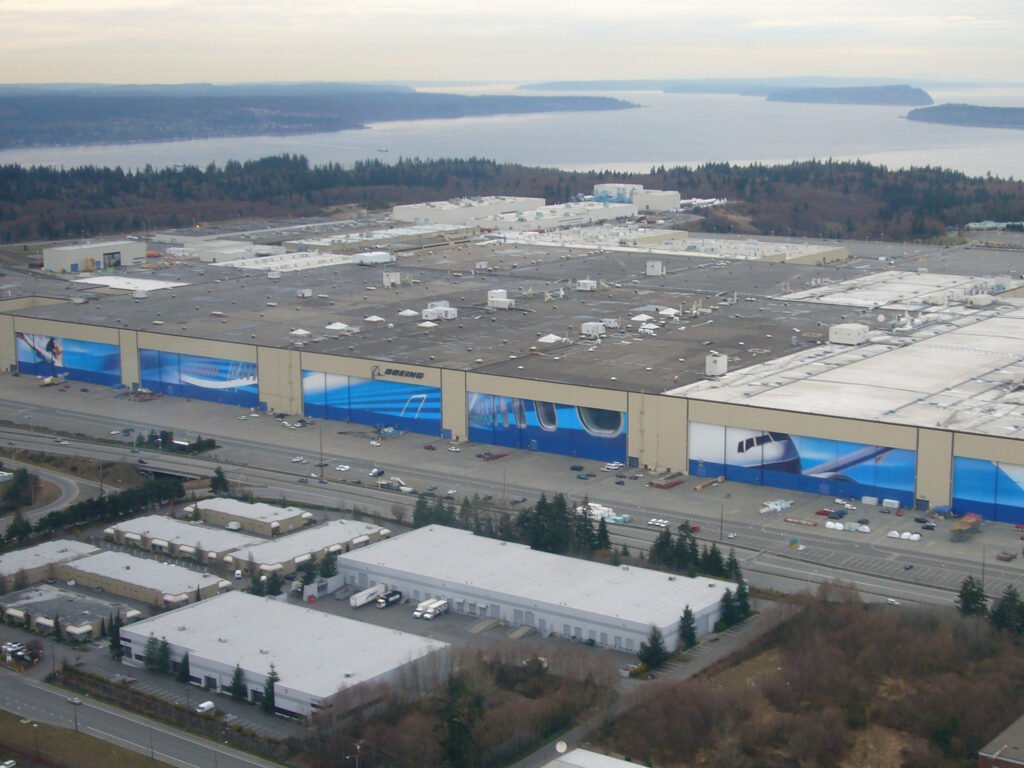
Founded in Seattle, Washington, by William E. Boeing on July 15, 1916, the company began as Pacific Aero Products Co. before being renamed The Boeing Company in 1917. What started as a small aircraft manufacturer has grown into one of the world’s largest aerospace companies, employing more than 170,000 people and serving customers in over 150 countries.
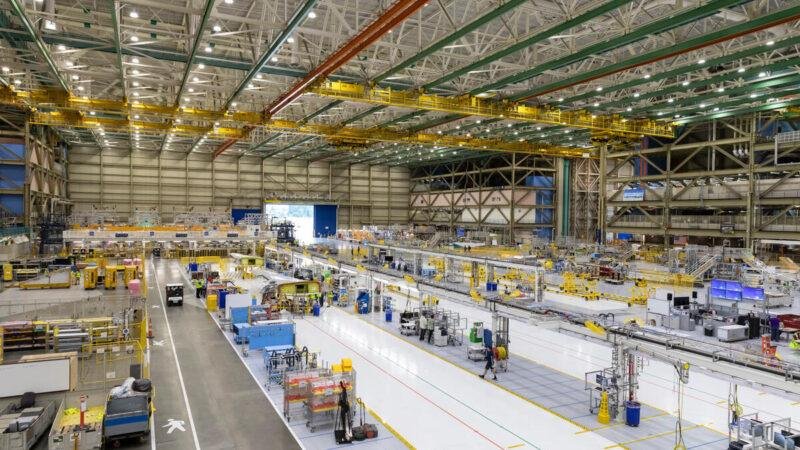
Today, Boeing designs and manufactures commercial airliners, military aircraft, helicopters, satellites, spacecraft, and advanced defense systems that operate across the globe.
Table of Contents
Boeing 110 Years: From a Small Seaplane Builder to an Aerospace Giant
Boeing’s story began with a simple wooden seaplane built on the shores of Lake Union in Seattle. Over the next eleven decades, the company would help define nearly every era of modern aviation.
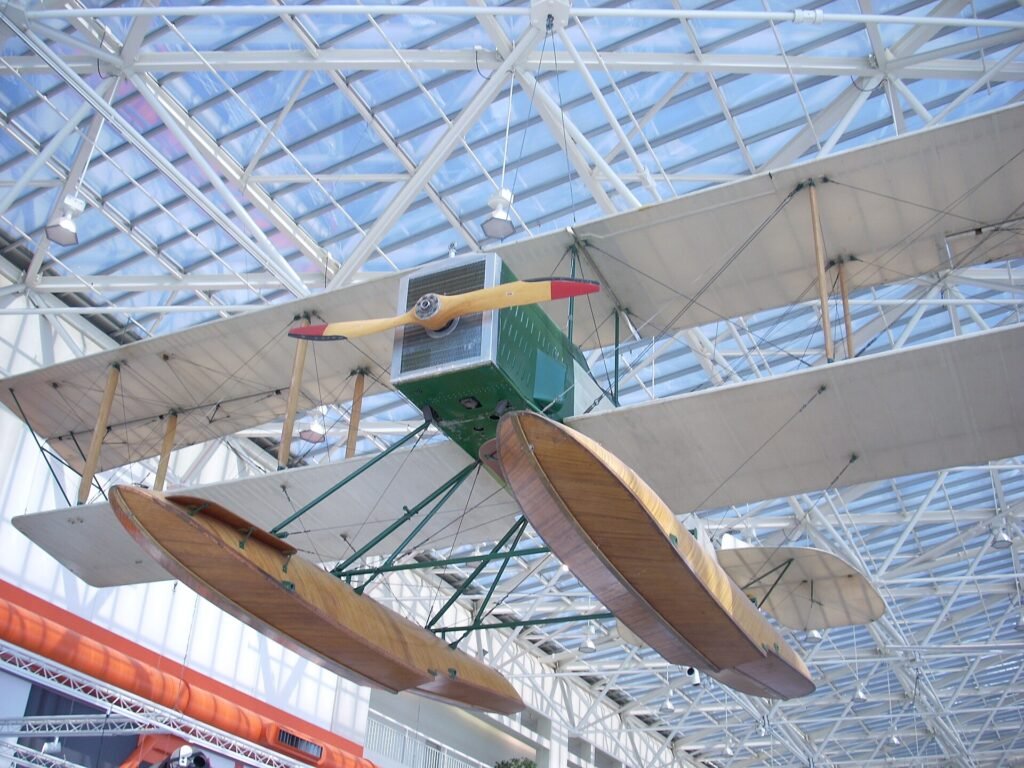
From those humble beginnings, Boeing expanded rapidly during the early years of aviation, producing military trainers, bombers, and passenger aircraft that pushed the industry forward.
Launching the Jet Age
The introduction of the Boeing 707 in the late 1950s revolutionized commercial air travel by making long-distance jet transportation practical and accessible.
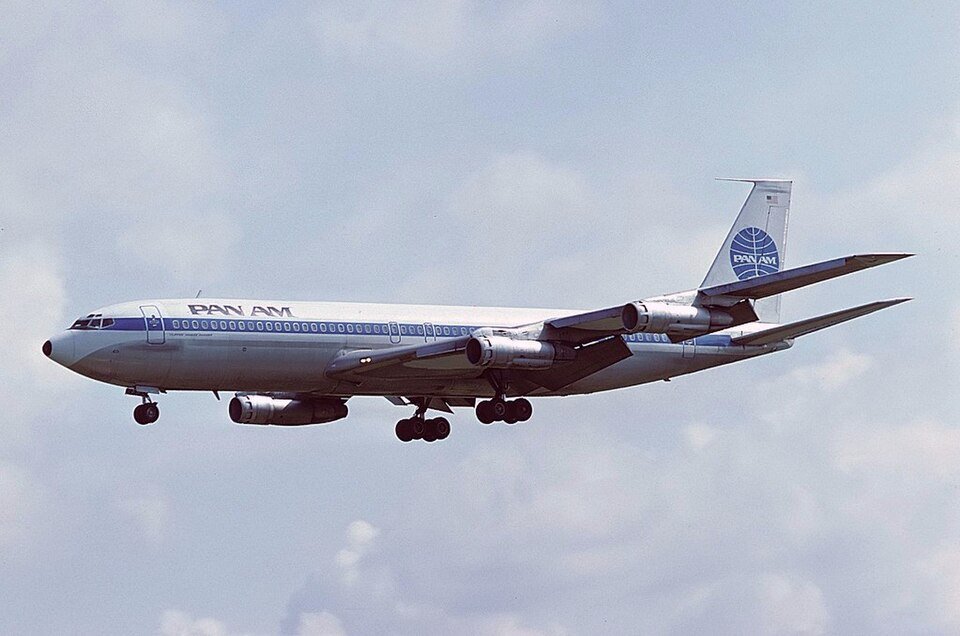
The company continued that momentum with aircraft that became aviation icons, including:
- Boeing 727
- Boeing 737
- Boeing 747
- Boeing 757
- Boeing 767
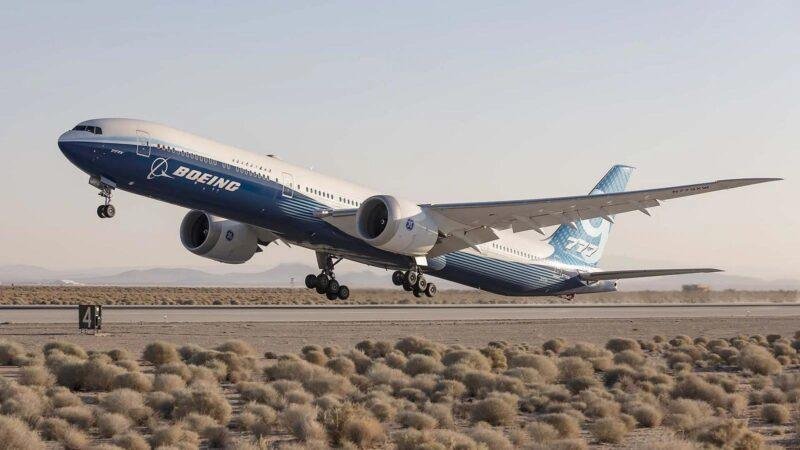
- Boeing 777
- Boeing 787 Dreamliner
Together, these aircraft have carried billions of passengers around the world.
The Queen of the Skies
Few aircraft have left a greater mark on aviation than the Boeing 747. Introduced in 1969, the world’s first jumbo jet dramatically increased passenger capacity and opened international travel to millions of people.
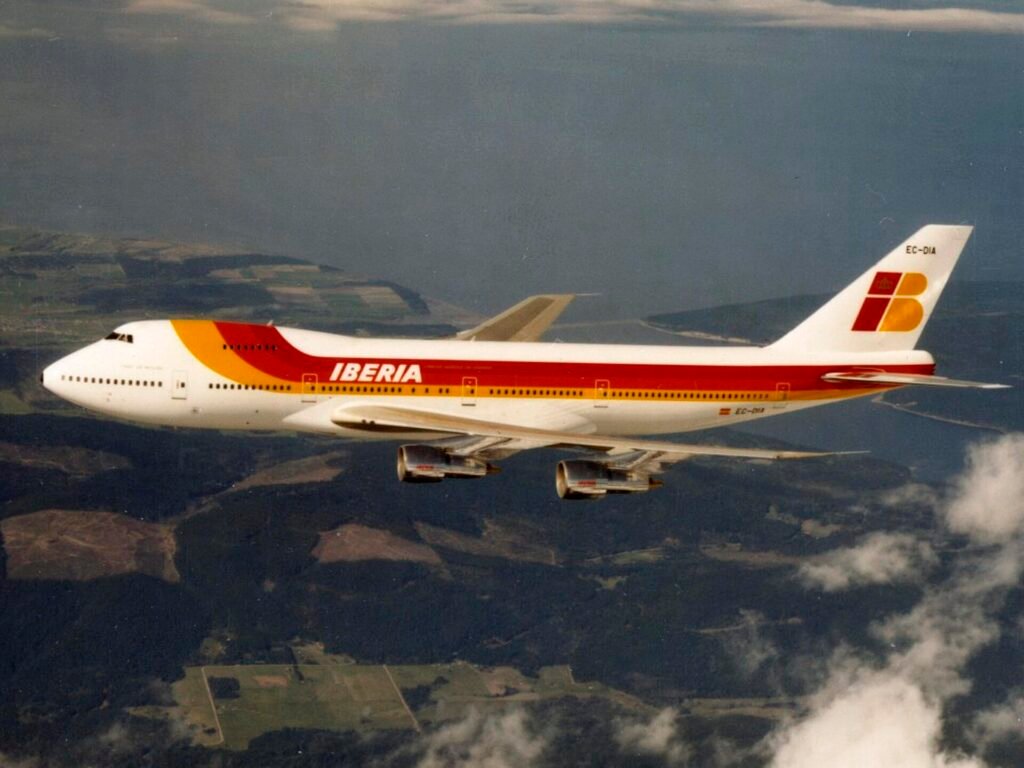
The aircraft served airlines for more than five decades and remains one of Boeing’s most recognizable designs.
Building the Next Generation
Boeing continues to innovate with aircraft like the 777 and 787 Dreamliner, which introduced advanced aerodynamics, composite materials, and improved fuel efficiency.
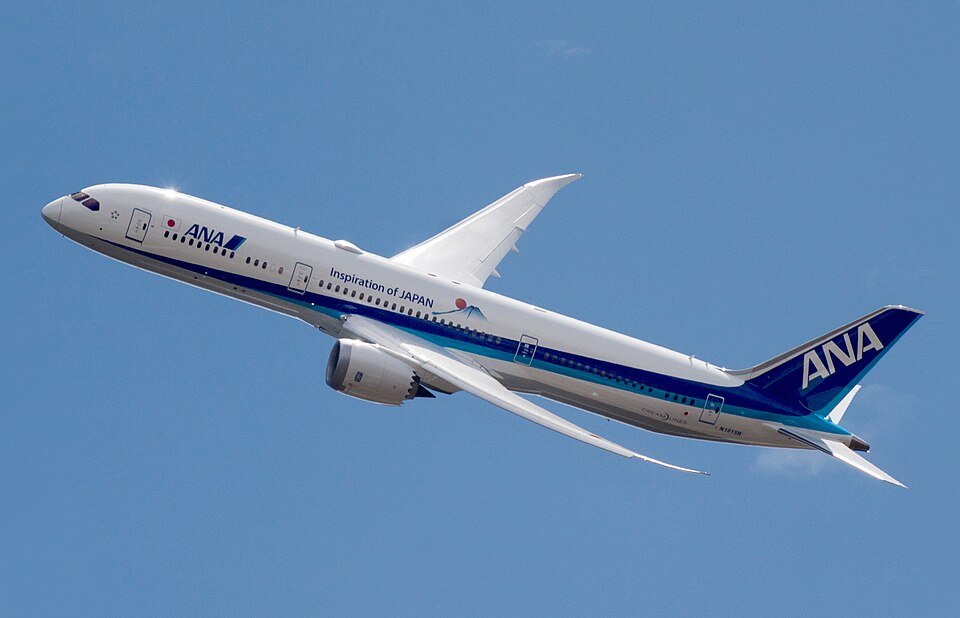
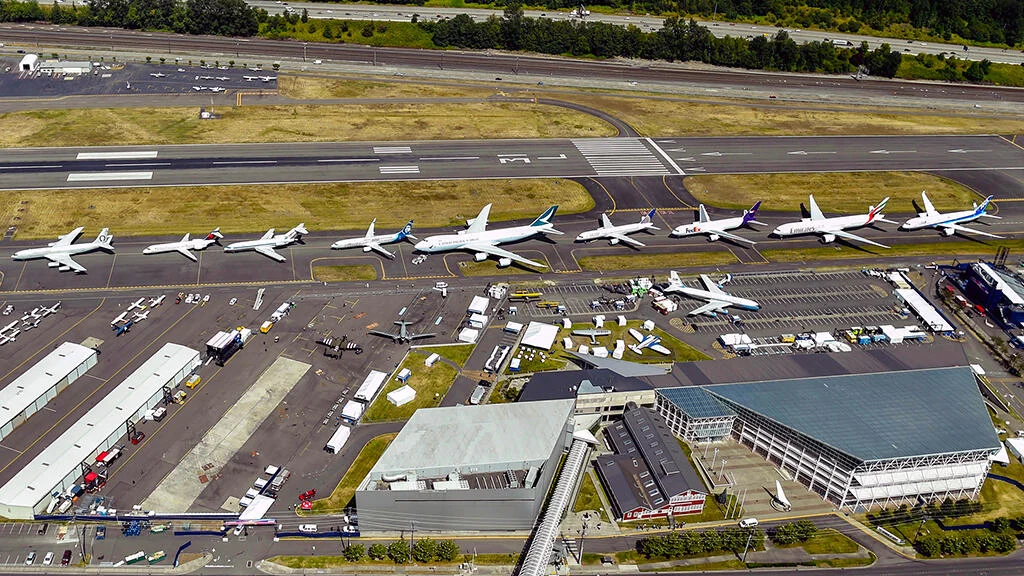
Today, Boeing aircraft connect cities on every continent and remain the backbone of many airline fleets worldwide.
A Global Defense and Space Leader
Commercial aviation is only part of Boeing’s business. The company is also one of the world’s largest defense and aerospace manufacturers.
Its portfolio includes some of the most capable military aircraft in service today, including the:
- F-15 Eagle
- F/A-18 Super Hornet
- AH-64 Apache
- CH-47 Chinook
- KC-46 Pegasus
- P-8 Poseidon
- T-7A Red Hawk
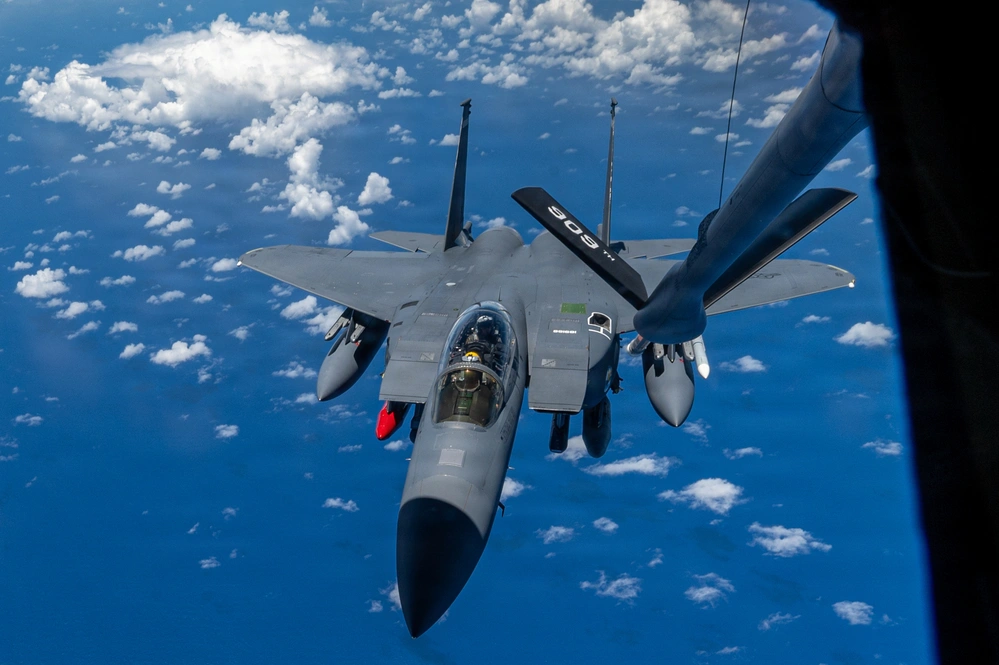
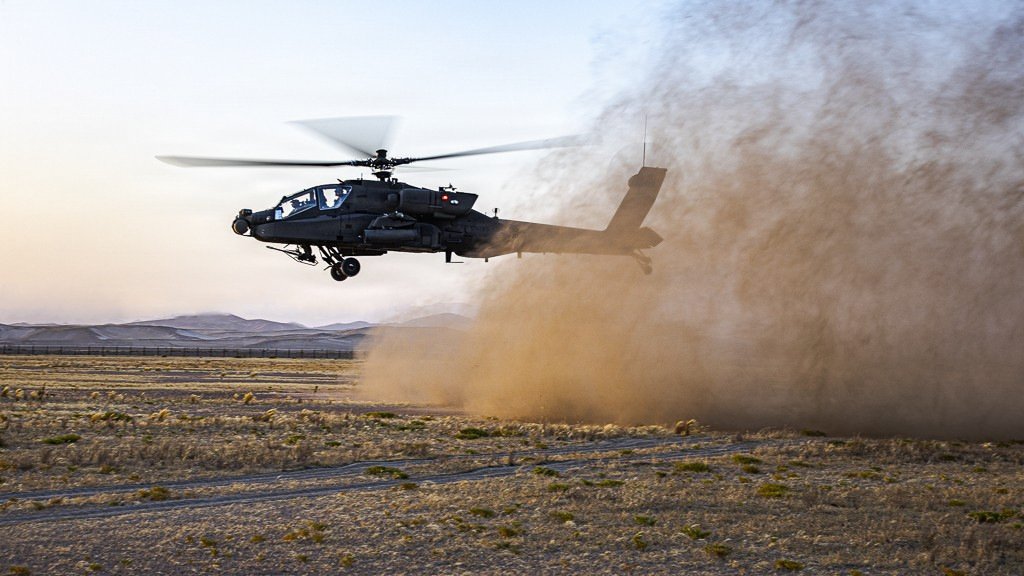
The company also manufactures aerial refueling tankers, surveillance aircraft, unmanned systems, and numerous space technologies supporting both military and civilian missions.
Reaching Beyond Earth
Boeing has contributed to America’s space program for decades and remains a major NASA partner.
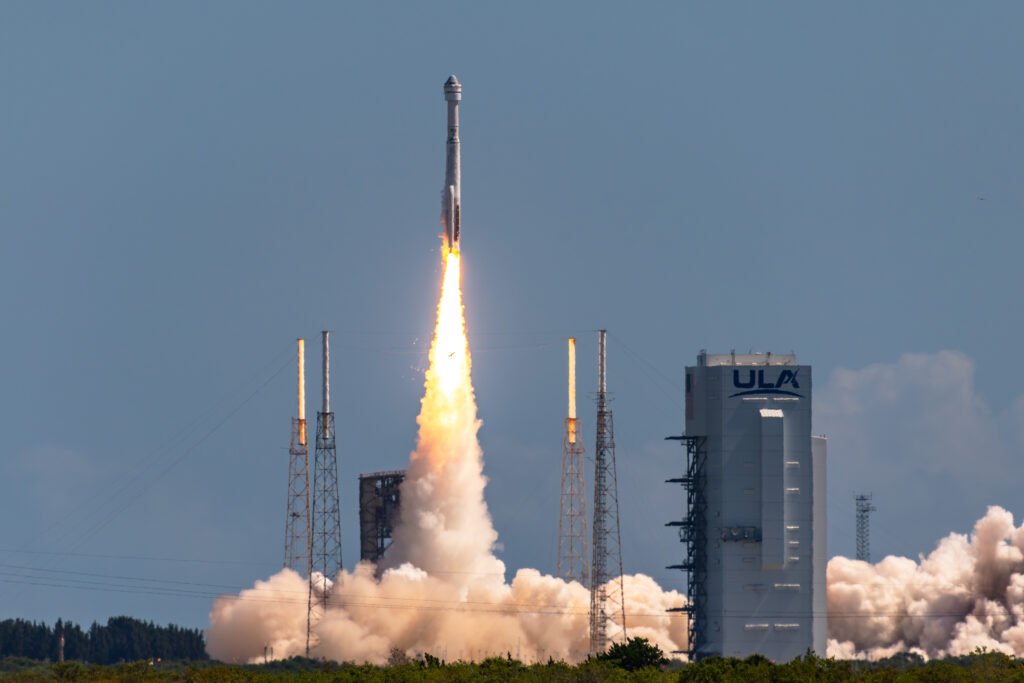
The company builds the core stage of NASA’s Space Launch System (SLS) and developed the CST-100 Starliner, a spacecraft designed to transport astronauts to and from the International Space Station.
Looking Toward the Future
As Boeing enters its 111th year, the company continues investing in commercial aircraft production, defense modernization, digital manufacturing, autonomous technologies, and more sustainable aviation.
While Boeing has faced significant challenges in recent years, including supply chain disruptions and efforts to strengthen production quality, it remains one of the most influential aerospace companies in the world.
Its impact can be seen every day in airports, military bases, research laboratories, and space missions across the globe.
Celebrating 110 Years
The anniversary serves as a reminder of Boeing’s remarkable journey from a small Seattle aircraft builder to a global aerospace leader.
For 110 years, Boeing has helped shape the way people travel, defend nations, explore space, and connect the world. As aviation enters a new era driven by sustainability, advanced manufacturing, and autonomous technologies, Boeing’s next chapter is already taking flight.
FAQ: Boeing 110 Years
When was Boeing founded?
Boeing was founded by William E. Boeing on July 15, 1916, in Seattle, Washington, originally as Pacific Aero Products Co. before being renamed The Boeing Company in 1917.
What was Boeing’s first aircraft?
The Boeing & Westervelt B&W Seaplane, a wooden seaplane built on the shores of Lake Union in Seattle, was the company’s first aircraft in 1916.
What does Boeing make besides commercial airliners?
Beyond commercial jets, Boeing manufactures military aircraft like the F-15 Eagle and AH-64 Apache, aerial refueling tankers, and space technologies including the core stage of NASA’s Space Launch System and the CST-100 Starliner spacecraft.
Sources
For additional information about this story: