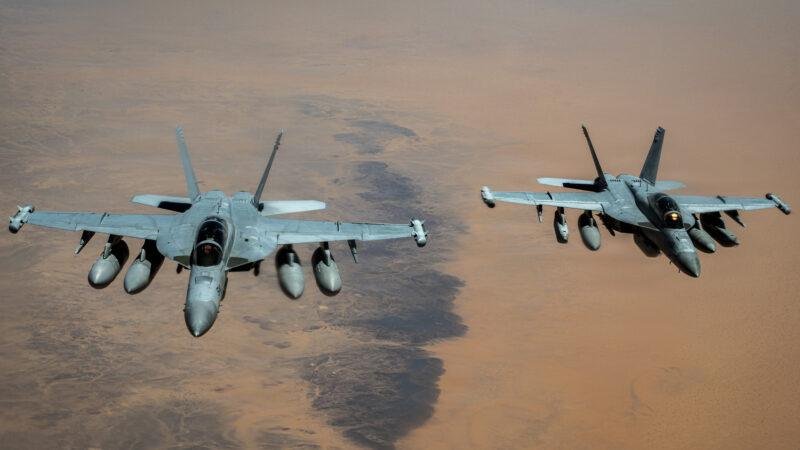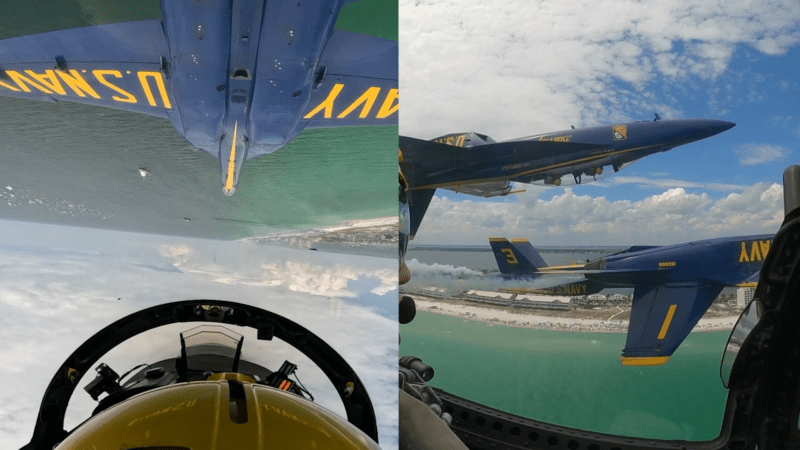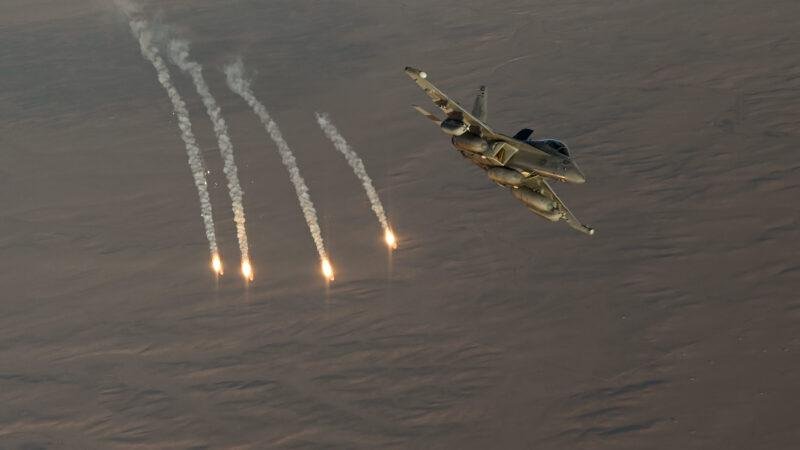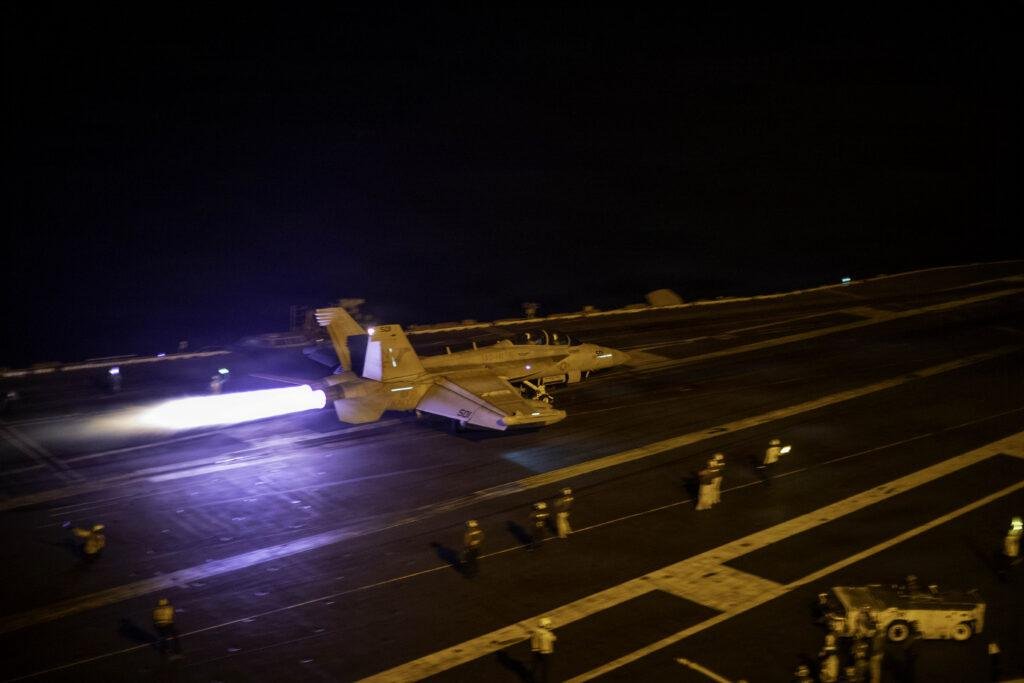
The Auto GCAS Super Hornet rollout now has a real schedule behind it. Naval Air Systems Command said in a September 2, 2026 statement that it will begin fielding the Automatic Ground Collision Avoidance System on the F/A-18E/F Super Hornet fleet next year, with EA-18G Growler installations following the year after. The move puts a timeline on a safety upgrade that Congress, safety advocates and the Navy’s own budget documents have pushed for over the better part of a decade.
The rollout follows installation of a related system, the Automatic Terrain Awareness and Warning System (ATAWS), which began on legacy F/A-18C/D Hornets earlier this year.
Table of Contents
The Schedule NAVAIR Just Set
Naval Air Systems Command’s September 2 statement lays out a two-year fielding plan: Auto GCAS installations begin on the F/A-18E/F Super Hornet fleet in 2027, followed by the EA-18G Growler fleet in 2028. The timeline gives program offices and squadrons a concrete date to plan around after years of the effort moving through study, budget language and sourcing notices without a committed schedule.
NAVAIR described the upgrade in blunt terms, saying Auto GCAS provides a crucial automated safety feature that complements aircrew skills and training, guarding against human error, aircrew incapacitation and the inherent risks of tactical fighter flying.
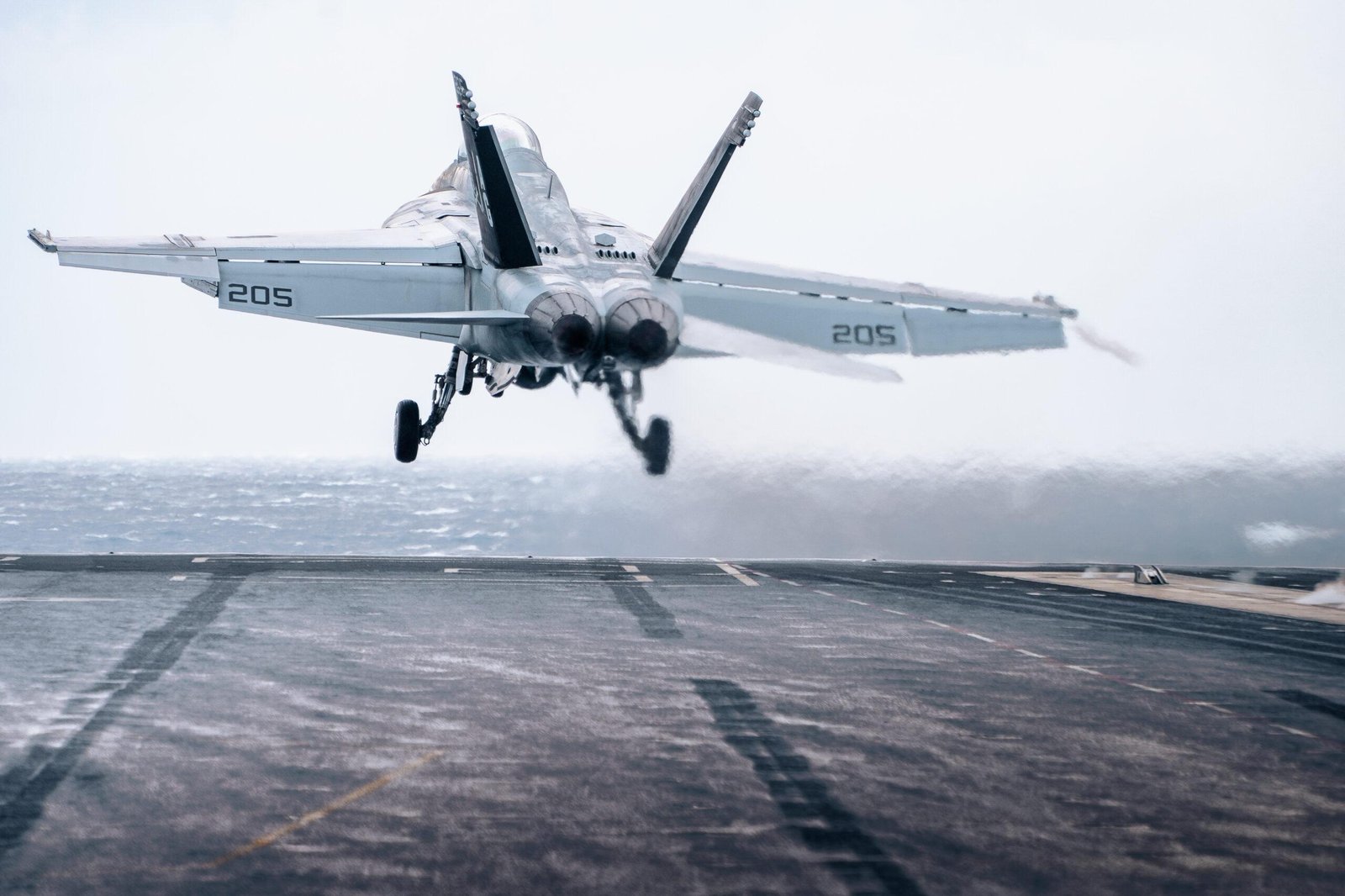
What Auto GCAS Actually Does
Auto GCAS is a step beyond a standard terrain warning system. Rather than simply alerting a pilot to a potential controlled-flight-into-terrain situation, it can take control of the aircraft’s flight controls and throttle as a last resort, pulling the jet away from the ground if the system determines a collision is otherwise imminent and the pilot has not responded.
That distinction matters because a warning system only helps if a pilot is conscious, oriented and able to react — conditions that don’t always hold during spatial disorientation, target fixation or physiological incapacitation. Auto GCAS is designed specifically to cover the scenarios where a warning alone would arrive too late.
Why It Took This Long
Congress has pushed the Navy on this issue for years. A provision in the House Armed Services Committee’s fiscal 2019 defense policy bill directed the Navy to install Auto GCAS on the Super Hornet fleet, prompting the service to begin an early assessment — but the provision was ultimately dropped from the final bill, and the effort didn’t translate into a funded program at the time.
The push resurfaced in the fiscal 2026 defense policy bill, which included a provision calling on the Navy to outline how and when it would develop Auto GCAS for the Super Hornet and Growler. The Navy’s own fiscal 2026 budget request was direct about the stakes, describing Auto GCAS as a significant safety improvement that could have prevented multiple fatal F/A-18 mishaps over the past two decades. Controlled-flight-into-terrain incidents account for roughly 26 percent of aircraft losses across naval aviation, according to the service.
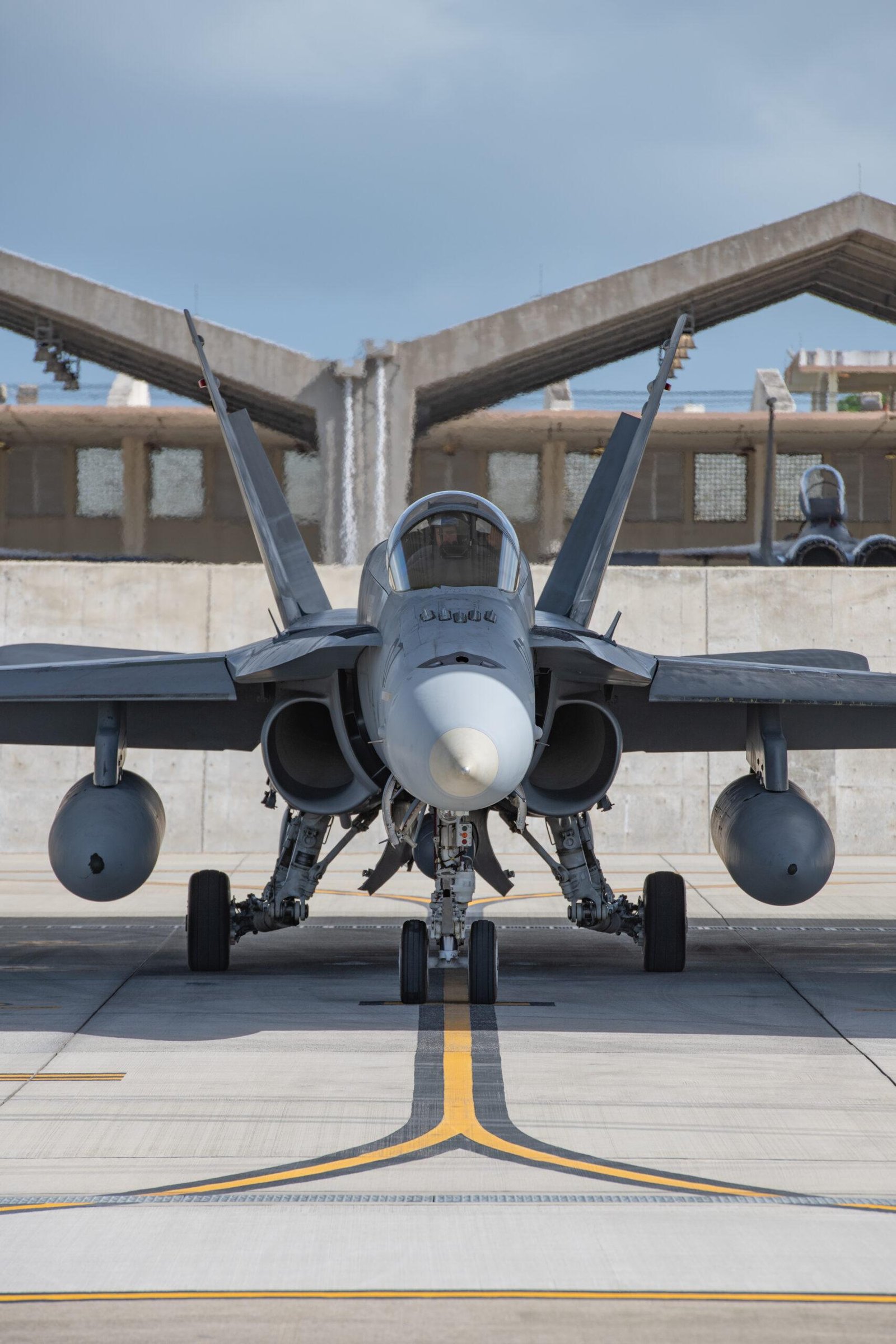
The Software Behind the Upgrade
The technical groundwork for the rollout traces to a sources-sought notice the Naval Air Warfare Center Aircraft Division published on November 10, 2025, on behalf of the PMA-209 Air Combat Electronics Program Office. The notice sought a software solution to redesign the Digital Map Computer and Flight Control Computer within the F/A-18E/F and EA-18G’s Tactical Aircraft Moving Map Capability system, integrating a new Automatic Terrain Awareness Warning System software module to support Auto GCAS.
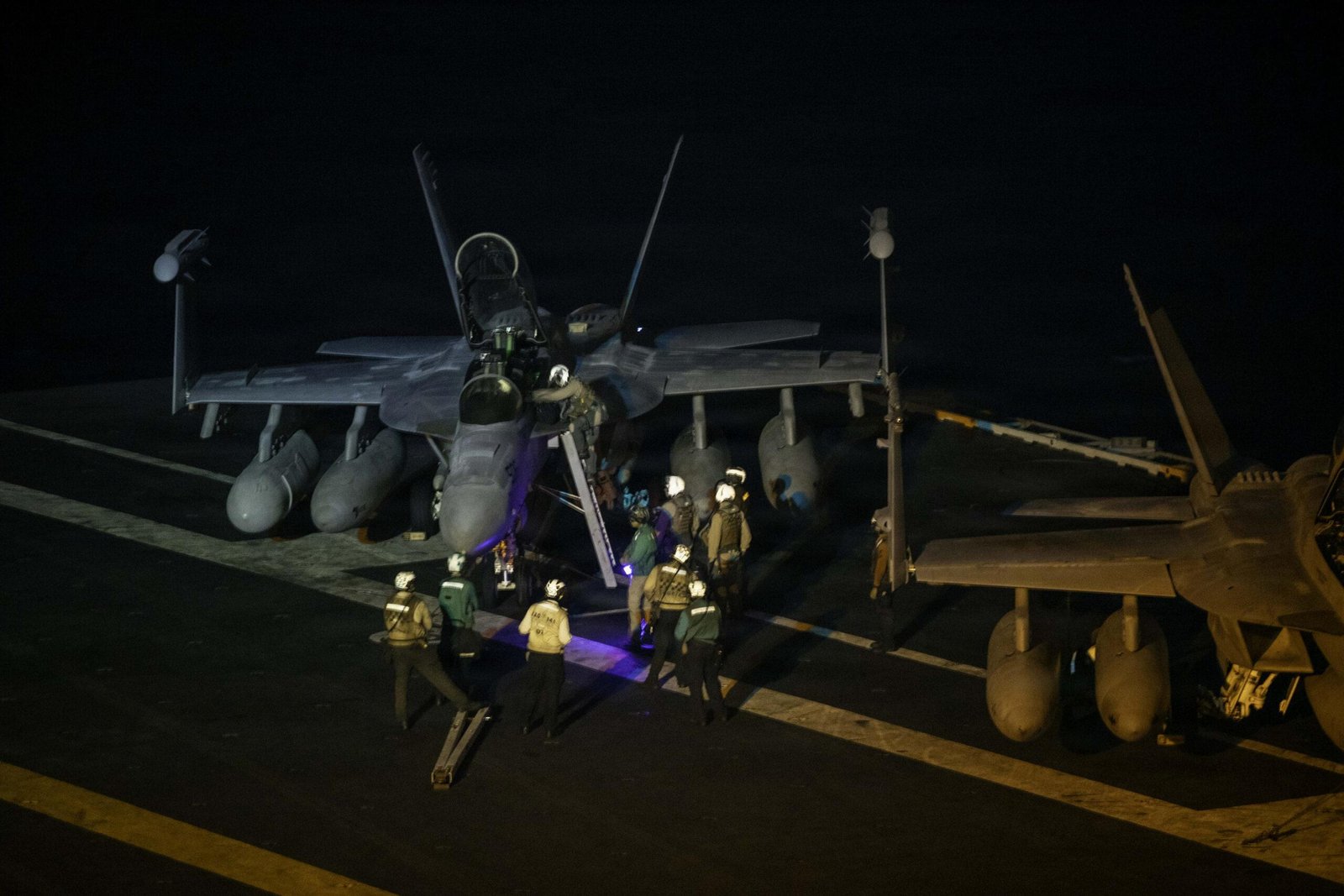
The Growler and Super Hornet share more than 90 percent of their airframe and systems, which is part of why the two aircraft are being addressed as a single integration effort rather than separate programs.
Auto GCAS is not new technology being invented from scratch for the Navy. The system is already installed on Air Force F-16s, F-22s and F-35s, credited with preventing multiple crashes since its introduction. Boeing and the Air Force have also started developing a version for the F-15, and the Air Force has set a goal of installing Auto GCAS on the T-7A Red Hawk trainer.
FAQ: Auto GCAS Super Hornet
What is Auto GCAS?
Automatic Ground Collision Avoidance System — software that can take control of an aircraft’s flight controls and throttle to pull it away from terrain if a collision appears imminent and the pilot hasn’t responded, addressing scenarios like disorientation or incapacitation that a warning system alone can’t cover.
Which Navy aircraft already have it?
Auto GCAS has not yet been fielded on Navy F/A-18E/F Super Hornets or EA-18G Growlers. The Automatic Terrain Awareness and Warning System, a related but distinct capability, began installation on legacy F/A-18C/D Hornets earlier in 2026.
When will Super Hornets actually get it?
Naval Air Systems Command says installations begin on the F/A-18E/F fleet in 2027, with EA-18G Growler installations starting in 2028.
Looking Ahead
Naval Air Systems Command has not released further technical detail on the software integration timeline beyond the 2027-2028 installation windows for the two aircraft types. The Aviation Diary will continue tracking the Auto GCAS Super Hornet rollout as the program moves from schedule to actual fleet installations.
Sources
- Aviation Week — U.S. Navy Set To Install Auto GCAS For F/A-18E/Fs, EA-18s
- RealClearDefense — U.S. Navy Set to Install Auto GCAS for F/A-18E/Fs, EA-18s
- The Aviationist — U.S. Navy Looking to Add AGCAS to Super Hornets and Growlers
- InsideDefense.com — Navy Directs Super Hornet Program Manager to Install Auto GCAS
- Simple Flying — Auto GCAS Coming To F/A-18 Super Hornet & EA-18G Growler?