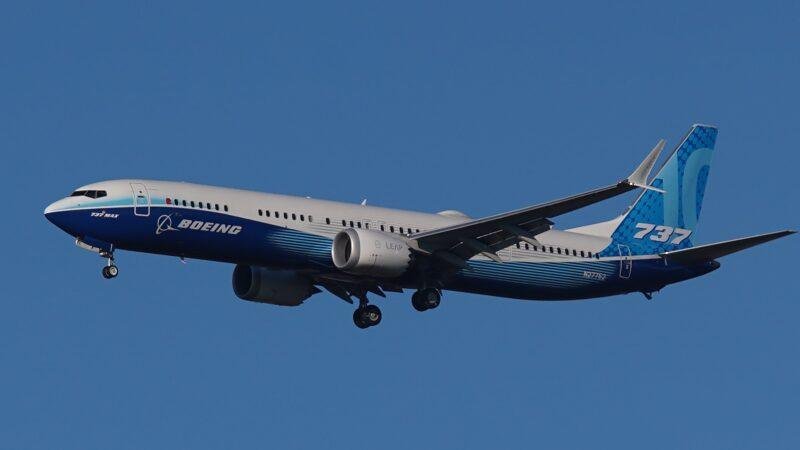
Boeing Dataliner platform software was introduced Oct. 20 as a new way for airlines to connect maintenance and operational information across aircraft fleets. Boeing says the system uses artificial intelligence, Microsoft technology and aviation engineering data to support decisions that previously relied on information scattered across different systems. The announcement describes a product offering, not a completed independent study showing cost or reliability improvements.
The manufacturer emphasizes fleetwide visibility, customer control over data and security provisions. The business case is that airlines collect large amounts of aircraft information but can struggle to combine it into practical insights. Boeing’s challenge is to show how the product works in real operations, where different fleets and maintenance systems have complex data and governance requirements.
Table of Contents
What the Boeing Dataliner Platform Is Designed to Do
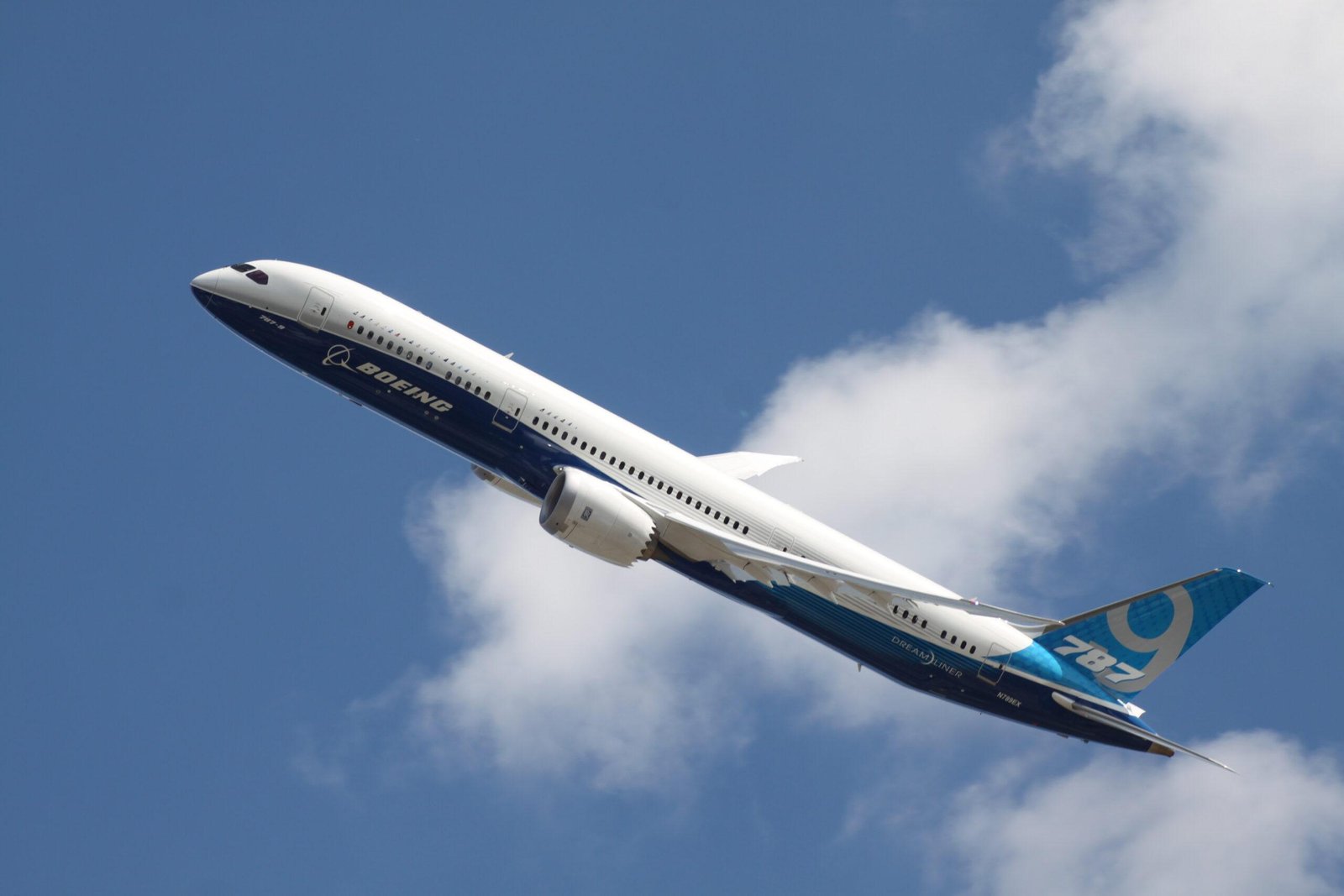
Boeing describes Dataliner as a data-intelligence layer that can bring information from individual aircraft and other aviation systems into a broader view of an airline’s operation. Instead of treating every aircraft as a standalone set of records, the platform is designed to help users see patterns across an entire fleet. This might assist maintenance planning and operational prioritization, according to the company.
The release places the product within Boeing’s Digital Services portfolio. It also describes connections to related AI-enabled tools and planning functions. Specific capabilities should not be presented as autonomous maintenance decisions without evidence of how humans review, validate and authorize recommendations. In aviation, an analytics system can support a decision, but operational responsibility and approved maintenance requirements remain with the appropriate people and organizations.
The primary announcement is available at the original source.
Microsoft’s Role and Customer Data Controls
Boeing says it developed Dataliner using Microsoft data and AI technologies, including Azure AI Foundry. Such infrastructure can help integrate data sources and run analytical tools, but its use does not itself validate the correctness of an aviation-specific conclusion. Airlines must evaluate accuracy, cybersecurity, interoperability and the way their records are handled before relying on a new application.
The announcement stresses data sovereignty and customer choice, describing controls over how information is shared. These claims are particularly important because fleet information may contain commercially sensitive operational details. The release does not disclose every contract term, security audit result or data-processing arrangement. Those subjects deserve careful scrutiny when customers and regulators evaluate the service.
The Distinction Between Analytics and Airworthiness
A predicted maintenance need is not the same as an approved maintenance instruction. Aircraft operators follow approved manuals, service instructions, airworthiness directives and regulatory requirements. A software output can help staff identify work that warrants closer review, but no press release can replace the engineering and documentation required to perform or release maintenance.
Boeing has not supplied independently audited figures demonstrating that Dataliner has reduced unscheduled removals, shortened turnaround times or saved a specified amount of money for a named airline. Its promised benefits should therefore remain attributed objectives. Editors should also avoid calling the platform a certified autonomous aircraft-control system; it is a ground-based data product.
Questions for Airline Adoption
A useful test of the new offering will be whether carriers can combine data from mixed fleets and existing maintenance systems without losing traceability. Airline technical departments will want to know which data sources are accepted, how recommendations are explained and how errors are corrected. Information security officers will examine access controls and governance, while planners will focus on whether the outputs improve practical decisions.
Boeing’s announcement did not provide a complete customer roster or a verified deployment timetable. The next significant story will be a confirmed implementation with independently documented operational results rather than another description of the software’s intended capabilities.
FAQ: Boeing Dataliner platform
What is Boeing Dataliner platform used for?
Boeing says it connects aviation data and AI analysis to support fleetwide maintenance and operational decisions.
Is Dataliner an aircraft autopilot or flight-control system?
No. The announcement concerns airline data intelligence, not an onboard flight-control or autonomous piloting product.
Have airlines proven Dataliner reduces maintenance costs?
Boeing’s initial release does not provide independent quantified results, so any savings claim remains unverified.
Looking Ahead
Future milestones include named customer deployments, interoperability details and evidence of performance under real airline conditions. Until that information is public, the product’s prospective benefits should be reported as Boeing’s claims rather than measured outcomes.
For related TAD reporting, see aviation AI procurement questions.
Sources