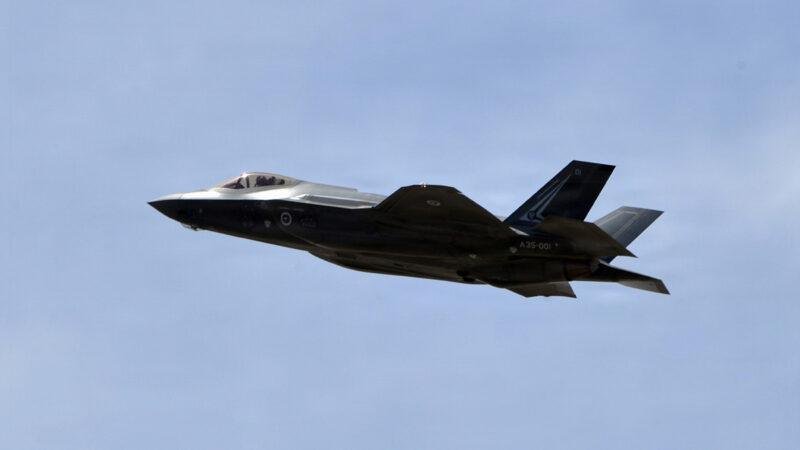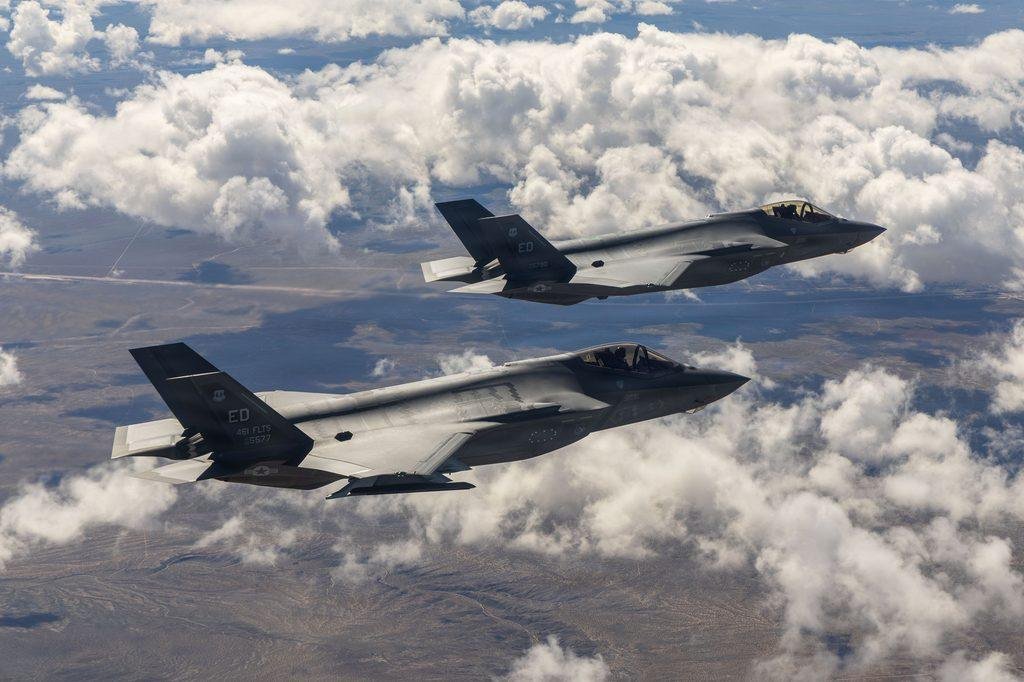
The F-35 framework unveiled by the U.S. Department of War and Lockheed Martin on Oct. 22 outlines a ten-year arrangement covering 850 aircraft for American military customers. It also addresses initial spare parts, aircraft modification kits, sustainment and orders for international operators across production Lots 21 through 30.
The partners describe a continued manufacturing rate of 156 fighters a year. Their announcement is a framework for future procurement and support, not a statement that Congress has already funded every aircraft or that all related contracts have been awarded.
The distinction matters for a program whose production decisions influence military fleet planning, suppliers and operators across several countries. Government authority, appropriations, pricing and delivery schedules still determine how the plan becomes binding work.
Table of Contents
F-35 Framework Covers Jets, Spares and Fleet Support
The joint announcement combines new production with support for aircraft already in service. The 850 figure refers specifically to planned U.S. aircraft during the decade; the document also refers to international customer requirements without treating those as part of the U.S. total.
The proposed lots, numbered 21 to 30, provide a planning horizon beyond the single-year negotiations that have often shaped major fighter purchases. Initial spares and modification kits are included because delivered aircraft require replacement parts and updates throughout their operational life.
Sustainment covers the less visible work required to keep a growing fleet available, including repairs, engineering and supply support. The joint F-35 announcement presents production and sustainment together rather than as unrelated decisions.
That structure could give Lockheed Martin and its suppliers more certainty when ordering materials, maintaining production lines and staffing long-running programs. The value of that predictability depends on how the later contract language divides obligations and financial risks.
Production Planning at 156 Fighters a Year
The parties cited 156 F-35 aircraft per year as the continued production rate. That is an annual rate for the manufacturing enterprise, not a schedule stating that 156 U.S. aircraft will be delivered in each individual year.
The difference is important because the overall production system serves American services and overseas customers. Aircraft variants, delivery configurations and customer acceptance can also affect when individual jets move from the factory to an operational unit.
Lockheed Martin says predictable multiyear demand should support investment in industrial capacity and a more resilient supplier network. Those are expected benefits, not independently demonstrated savings from a contract that has yet to be finalized.
The international dimension is relevant to existing supply relationships. TAD reporting on Finland’s F135 industrial program previously described how national industry participates in the broader F-35 enterprise through propulsion assembly and support.
Contracting Authority Is Still a Major Condition
The partners say the F-35 Joint Program Office and Lockheed Martin will finalize terms, pricing and schedules through formal awards if multiyear authority and appropriations are provided. The announcement therefore should not be confused with a completed fixed-price contract for 850 delivered jets.
Lockheed Martin expects longer-term prices and volume discounts to reduce lifecycle expenses, but the release does not establish a final verified savings total. Any estimates depend on negotiated costs, procurement quantities and the duration of future support obligations.
The same day, Lockheed Martin reported third-quarter sales of $20.7 billion and a record company backlog of about $292 billion. Those company-wide figures come from its quarterly results and should not be presented as the value of the newly outlined F-35 framework.
For operators, the practical question is whether the arrangement produces stable aircraft delivery and support schedules. For taxpayers and oversight bodies, the tests will be affordability, transparent contracting and actual fleet readiness.
FAQ: F-35 framework
Have all 850 F-35 aircraft been placed on firm order?
No. The announced arrangement is a framework; the government and Lockheed Martin still need the necessary authority, appropriations and formal contract terms.
Does the F-35 framework cover international buyers?
Yes. It references international customer orders across the same production-lot period, but the 850 aircraft figure is specifically the U.S. component.
Will factories make only U.S. aircraft at 156 per year?
No. The stated annual production rate refers to the broader F-35 production program serving U.S. and international customers.
Looking Ahead
The next milestones are congressional action on multiyear authority and funding, followed by negotiations through the F-35 Joint Program Office over contract terms, pricing and delivery schedules. No complete ten-year award timetable has been announced.
Sources