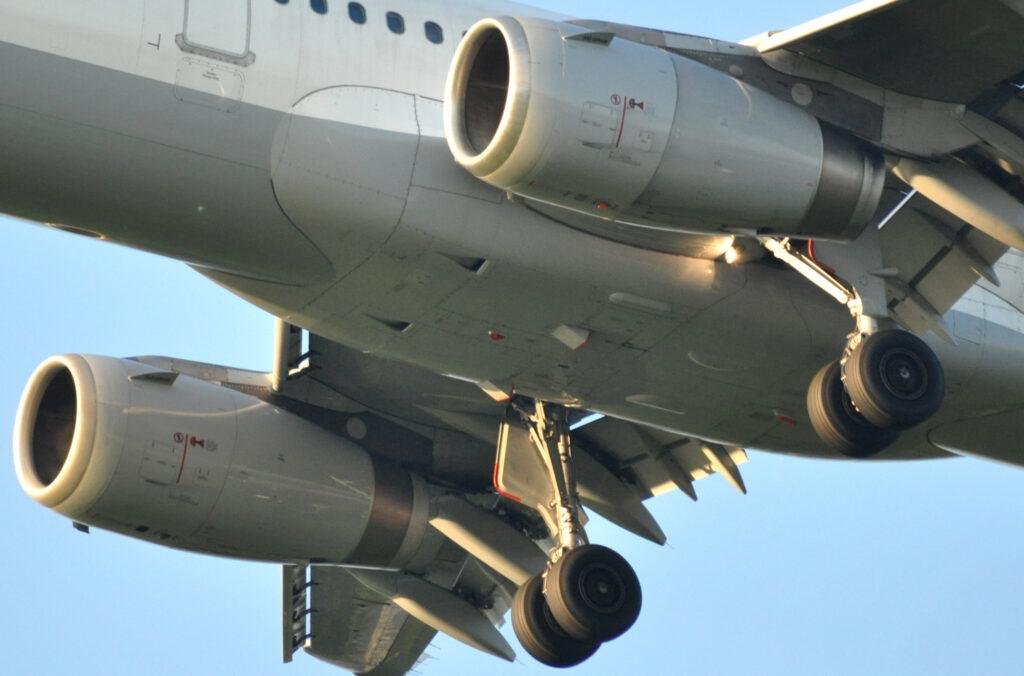
The FAA V2500 Airworthiness Directive orders operators of International Aero Engines (IAE) V2500 turbofans to replace third-stage high-pressure compressor (HPC) rotor blades after multiple failures caused engine fires, aborted takeoffs and in-flight shutdowns. The engine powers a large share of the Airbus A320ceo family, along with the Boeing MD-90 and Embraer C-390 Millennium.
The final rule, AD 2026-17-03, was issued August 17 and published in the Federal Register on August 20. It becomes effective September 24, 2026.
Table of Contents
What the FAA V2500 Airworthiness Directive Requires
The FAA V2500 Airworthiness Directive, officially designated AD 2026-17-03 (Amendment 39-23446, Docket No. FAA-2025-2555, Project Identifier AD-2025-00433-E), targets a specific failure point: the third-stage high-pressure compressor rotor blade, part number 6A8353 or 6A8688, installed in ten V2500 engine models.
Rather than grounding aircraft or mandating an immediate inspection, the directive requires operators to replace the affected blades with eligible parts the next time an engine is opened up for a shop visit where those blades are exposed. It does not require an unscheduled engine teardown solely to comply.
This AD was prompted by multiple reports of failed 3rd stage HPC rotor blades that resulted in engine fires, unplanned engine removals, aborted takeoffs, and in-flight shutdowns.
Why the FAA Issued This Directive
The FAA’s rulemaking followed years of durability concerns with the V2500’s HPC section. Third-stage blade failures have been linked to vibration-driven fatigue at the blade’s mid-span shroud, or “clapper” — the small tab where adjacent blades touch to dampen vibration at high power settings. When that contact point wears unevenly, blades can crack and eventually fail, in the worst cases departing the engine core entirely.
Those failures have manifested as:
- Engine fires
- Unplanned engine removals
- Aborted takeoffs
- In-flight shutdowns (IFSD)
Engine manufacturer IAE, a consortium led by Pratt & Whitney, had already begun addressing the issue before the FAA’s rulemaking. The directive notes that the affected population may be smaller than it appears, since some operators had already complied with IAE Service Bulletin V2500-ENG-72-0716, dated October 4, 2024, ahead of the mandate.
Which Engines and Aircraft Are Affected
The directive applies to IAE V2500 engines carrying the affected blade part number across the following models:
- V2522-A5, V2524-A5, V2527-A5, V2527E-A5, V2527M-A5, V2530-A5, V2533-A5 — Airbus A319/A320/A321
- V2525-D5, V2528-D5 — Boeing (McDonnell Douglas) MD-90
- V2531-E5 — Embraer C-390 Millennium
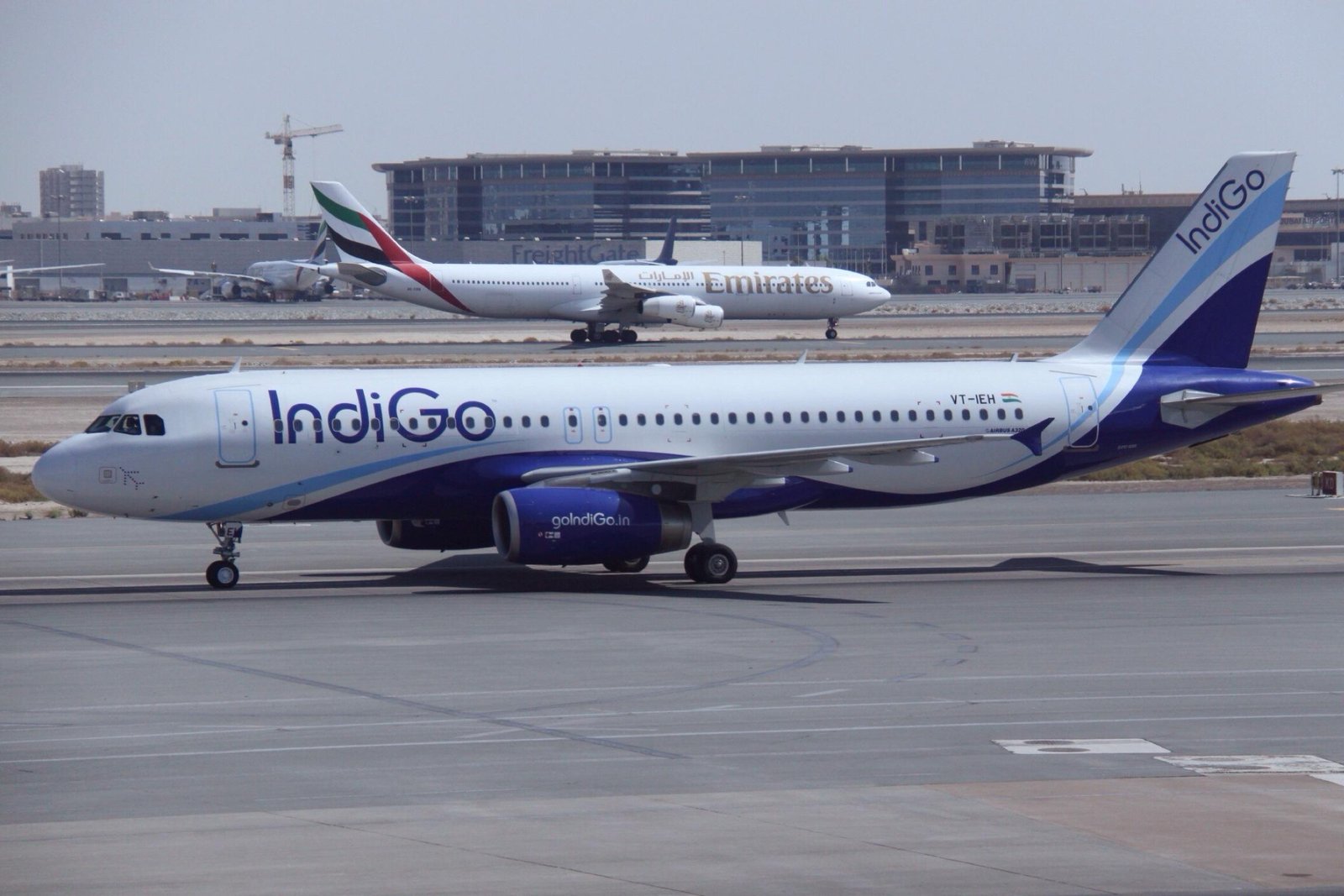
The V2500 is one of two engine options on the current-generation A320 family, holding roughly 45% of that segment and flying with about 190 airlines and lessors worldwide. It is not used on the newer A320neo family, which is powered exclusively by CFM LEAP-1A or Pratt & Whitney PW1100G-JM engines.
The Fix: Blade Replacement at the Next Shop Visit
Operators have two compliance paths. They can install a new 31-blade set, or install modified blades that carry a redesigned mid-span shroud with a new coating applied using a high-velocity oxygen fuel (HVOF) process, rather than the older detonation-gun (D-gun) coating used previously. Pratt & Whitney says the HVOF layer provides greater durability and vibration resistance than the coatings it replaces.
Because the replacement is tied to the next shop visit rather than a fixed calendar deadline, the pace of fleet-wide compliance will depend on each operator’s existing maintenance schedule. Engines already inducted for other work since October 2024 may already carry the updated blades.
Industry and Union Response
The FAA received comments from seven parties during the rulemaking process, including the Air Line Pilots Association (ALPA), American Airlines, United Airlines, IndiGo, Lufthansa Technik, SIA Engineering Company and the Citizens Rulemaking Alliance. ALPA supported the proposed rule without requesting changes.
Pratt & Whitney, which leads V2500 aftermarket support as part of the IAE consortium, framed the directive as consistent with work already underway. “The FAA action is consistent with IAE’s 2024 service bulletin,” the company said in a statement, adding that blade replacement is occurring during normal shop visits rather than as an emergency measure.
The European Union Aviation Safety Agency (EASA) adopted the FAA’s directive immediately, extending the mandate to V2500-powered aircraft operating under European certification.
What This Means for Passengers and Airlines
For passengers, the directive is not a reason for alarm. The FAA opted for a shop-visit-based compliance schedule rather than an immediate grounding or inspection mandate, which reflects an assessment that the risk, while real, does not require pulling aircraft from service today. Airlines have been managing this issue proactively since IAE’s 2024 service bulletin, and the AD formalizes what many operators were already doing.
For airlines and lessors, the directive adds a firm compliance requirement to fleet planning and MRO scheduling, particularly for major V2500 operators such as IndiGo, Lufthansa Group carriers, American Airlines and United Airlines, all of which weighed in during the comment period.
FAQ: FAA V2500 Airworthiness Directive
Which aircraft are affected by the FAA V2500 Airworthiness Directive?
The directive covers Airbus A319, A320 and A321 aircraft equipped with specific V2500-A5 engine variants, along with the Boeing MD-90 (V2500-D5) and the Embraer C-390 Millennium (V2531-E5). It does not affect the newer A320neo family, which uses different engines entirely.
Do airlines have to ground aircraft to comply?
No. The AD requires blade replacement at the next scheduled shop visit where the third-stage HPC blades are exposed, not an immediate grounding or unscheduled teardown.
When does the directive take effect?
AD 2026-17-03 becomes effective September 24, 2026. EASA has already adopted the FAA’s directive for European-registered operators.
Looking Ahead
The FAA V2500 Airworthiness Directive is a reminder that even a proven, decades-old engine program can carry unresolved durability issues that surface only after tens of millions of flight hours in service. With over 7,600 V2500 engines delivered and more than 200 million flight hours logged fleet-wide, the scale of compliance work ahead is significant, even with a shop-visit-based rather than emergency timeline.
The Aviation Diary will continue tracking FAA and EASA airworthiness directives, engine durability issues, and regulatory developments affecting the global commercial fleet.
Source
- Federal Register — AD 2026-17-03, International Aero Engines AG Engines
- Aviation Week — Regulators Order V2500 Compressor Blade Swaps