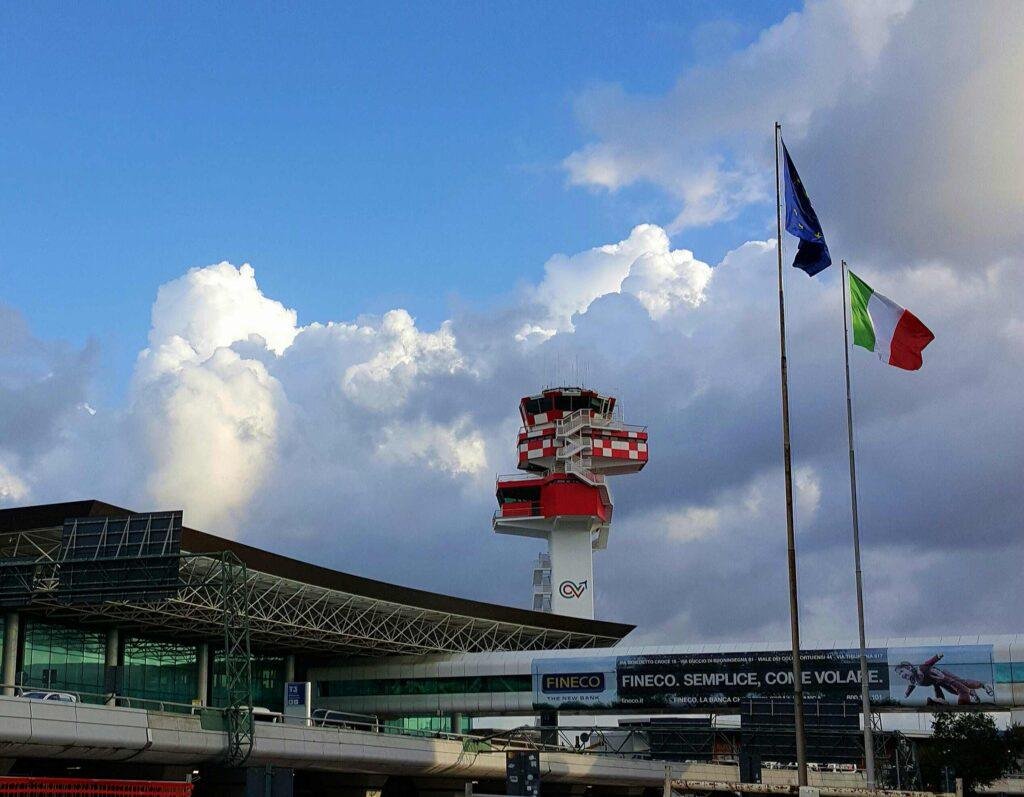
Italy air traffic operations returned to full management capacity on Oct. 16 after a nationwide data-network failure forced temporary restrictions, according to Italian air navigation service provider ENAV. The company said the primary data transmission network had been restored after technical interventions with its service providers, allowing it to lift the capacity limits introduced earlier in the day.
The restoration does not mean every affected flight instantly returned to its planned schedule. ENAV described traffic as progressively returning to normal, an important distinction after a morning when controllers could handle only a reduced share of demand. The operator did not provide a complete tally of disrupted flights in its restoration announcement.
The incident illustrates the difference between a limitation on the number of aircraft a control system can accommodate and a complete suspension of air traffic control. ENAV continued providing services while relying on its contingency network.
Table of Contents
Italy Air Traffic Restored After a Difficult Morning
ENAV first disclosed anomalies overnight in the nationwide data transmission network supporting its air traffic control services. Contingency systems initially allowed normal operations until 6 a.m. local time, according to the company’s morning account. As traffic increased, the persistent network problems required air traffic flow measures that reduced the capacity available to handle flights across Italian airspace.
A subsequent ENAV update put operating capacity at 50% while stressing that staff were working to accommodate as many morning departures as possible, including long-haul services. The capacity figure described the air traffic management system’s ability to handle demand, not the percentage of aircraft necessarily canceled.
As restoration work progressed, ENAV activated an alternative satellite-based data network. It later reported that the secondary network permitted handling 75% of normal traffic volume. The sequence shows how technical fallback systems can provide continuity while still imposing practical limits on throughput.
By the company’s final Oct. 16 update, the primary network had returned to service and the authority was again managing 100% of its operational capacity. ENAV said the temporary restrictions had been lifted. Its statements did not assign specific delays to individual airlines or airports.
How the Backup Network Maintained Control Services
ENAV’s announcements separated equipment operating properly from difficulties carrying data between supporting systems. In one update, it said all ENAV equipment and systems were functioning normally and that the anomaly was in the transmission network. This narrows what the operator publicly identified as affected without proving the precise technical fault.
The organization identified TIM among the outside providers involved in investigating and maintaining the network. It described technical work being undertaken in close cooperation with those providers, rather than attributing the outage to a named hardware component or particular human action.
ENAV also said malicious activity had been excluded as a possible cause. That is an operator statement about its investigation at the time, not a public technical forensic report. No broader cyberattack narrative should be inferred from the fact that a communications network failed.
For passengers, the distinction between safety and capacity matters. A restriction that reduces permitted flow may create holding, revised departure slots or knock-on scheduling effects, even when air traffic services continue to operate. ENAV’s official communications emphasized that its contingency arrangements preserved safety throughout the event.
What the Recovery Does and Does Not Establish
The final update establishes recovery of the primary transmission network and restoration of ENAV’s stated national air traffic management capacity. It does not establish the number of flights delayed or canceled, the duration of delays at any airport, or the final financial cost to airlines and passengers.
Airport or carrier-specific impacts should be attributed to those operators rather than extrapolated from the national capacity percentages. A complete assessment would also need to distinguish disruption occurring during the restrictions from later schedule recovery after full capacity returned.
For aviation infrastructure planners, the episode offers a practical example of why redundant systems matter while also demonstrating that a backup arrangement may not support normal maximum demand. Neither conclusion requires treating this disruption as an accident or making unsupported claims about aircraft separation.
Readers following other aviation airport coverage should use ENAV’s last dated update as the reference point instead of older headlines reporting 50% or 75% capacity as though they remain current.
FAQ: Italy air traffic
Is Italy air traffic operating at full capacity again?
Yes. ENAV announced on Oct. 16 that the primary network was restored and that its air traffic management capacity had returned to 100%.
Why was Italy air traffic restricted earlier?
ENAV reported anomalies in the data transmission network supporting its services and reduced capacity while operating with contingency systems.
Did Italian air traffic control stop working altogether?
ENAV said its services continued with alternative transmission systems, although those systems could not initially handle normal traffic volume.
Looking Ahead
ENAV has not announced in its restoration statement when it will publish a technical root-cause account or a final breakdown of airline disruption. Any subsequent operator report should be compared with the staged announcements released during the morning, particularly their different capacity figures.
Sources
- ENAV: full operational capacity restored
- ENAV: initial network anomalies
- ENAV: backup network achieves 75%