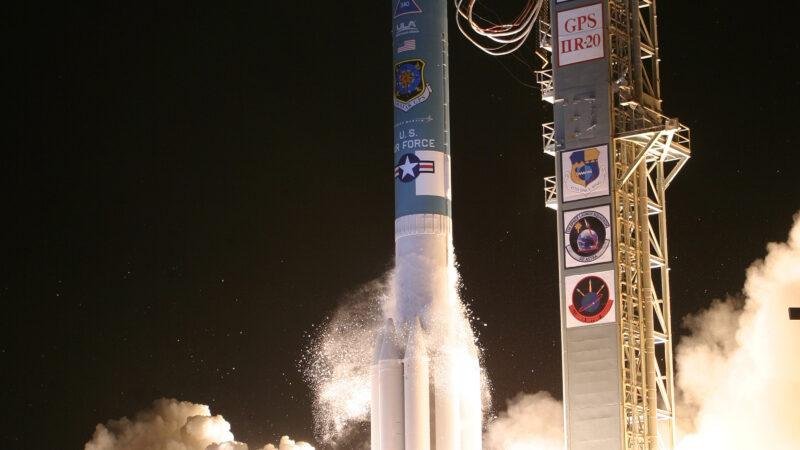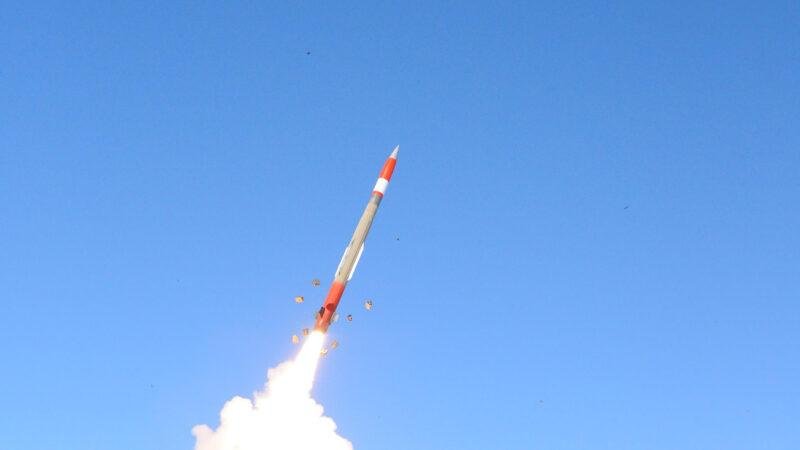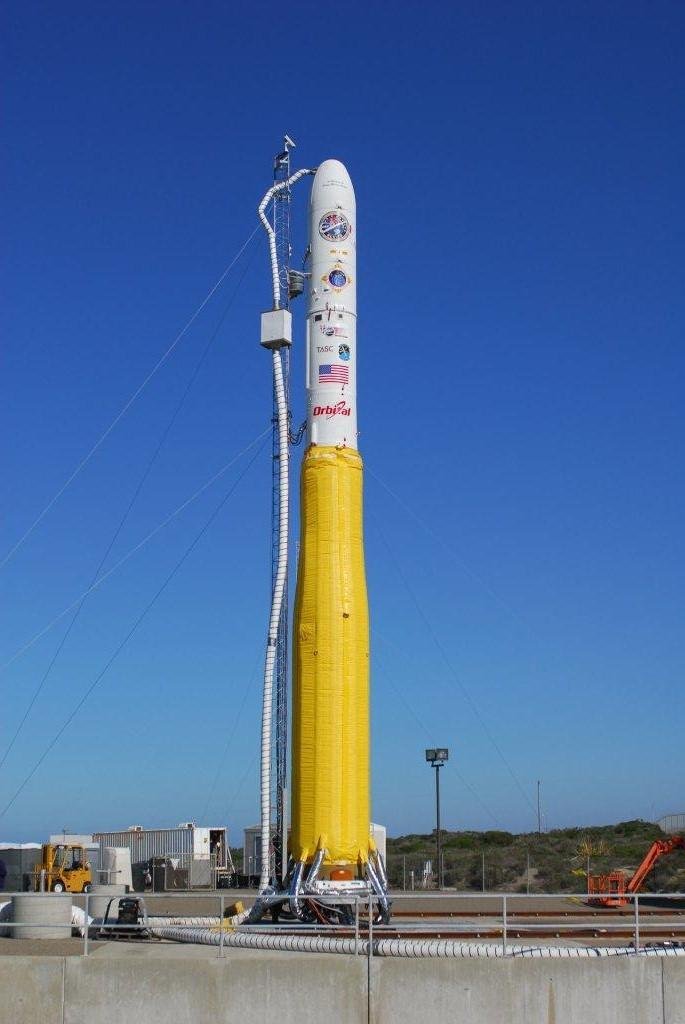
Mk21A reentry test activity continued on October 9, 2026, when the U.S. Air Force launched an unarmed developmental vehicle aboard a Minotaur I rocket from Vandenberg Space Force Base in California. The Air Force Nuclear Weapons Center called it an in-flight environmental test rather than a launch of the complete Sentinel missile.
The Mk21A is being developed by Lockheed Martin for eventual integration with a future U.S. intercontinental ballistic missile. The flight offered another opportunity to collect data in conditions that laboratory checks cannot fully reproduce.
The distinction is important: a successful launch of a test vehicle is not the same as certifying a nuclear weapon or declaring the new LGM-35A Sentinel missile operational. Detailed October test results have not been made public.
Table of Contents
Mk21A Flies on an Unarmed Minotaur I Rocket
The October 9 mission carried a test article without a nuclear warhead. A Minotaur I rocket provided by Northrop Grumman lifted it from Vandenberg, with the U.S. Space Force’s Rocket Systems Launch Program overseeing the launch. The mission was intended to expose the developmental vehicle to realistic flight conditions.
The Air Force Nuclear Weapons Center leads the Mk21A acquisition effort and coordinates its development with broader nuclear modernization work. The launcher, reentry vehicle and future operational missile are separate parts of the program.
This was not the first public Mk21A flight. An earlier unarmed developmental test took place at Vandenberg on June 17, 2024. Lockheed Martin said at the time that information gathered during that mission would inform subsequent design and testing. The October flight adds to the test history, but a full assessment has not been published.
The Mk21A reentry test used a separate launcher rather than the new Sentinel missile. The distinction allows a specific developmental component to be studied before the larger system is ready for its own flight trials.
Why Reentry Vehicle Testing Matters to Sentinel
A reentry vehicle is the portion of a ballistic-missile system designed to carry a payload through the demanding conditions of atmospheric reentry. In development, engineers study how the design responds to flight environments and whether its systems perform as intended. Such testing is part of engineering validation, not proof of operational deployment.
The Mk21A reentry test supports the Sentinel program, which is intended to replace the U.S. Air Force’s aging Minuteman III fleet. The design builds on the earlier Mk21 family, while the future system is expected to integrate with the modernized W87-1 warhead. The October test itself was unarmed.
In its official announcement, the Air Force characterized the mission as an environmental flight test. That narrow description is more precise than calling the event a complete Sentinel missile test, because the Mk21A flew on a separate Minotaur launcher rather than Sentinel’s intended propulsion system.
Maj. Gen. William Rogers, the Air Force’s portfolio acquisition executive for ICBMs, framed the Mk21A program as part of long-term deterrent modernization. That is the Air Force’s rationale, not an independent readiness assessment.
What the Test Does—and Does Not—Establish
The October Mk21A reentry test exposed a developmental component to flight conditions, but the announcement did not publish detailed measurements or operational certification. Reporting that the launch occurred should therefore be kept separate from claims about whether every engineering objective was met.
Sentinel also faces wider acquisition and schedule challenges. Air & Space Forces Magazine reported that the missile program remained in restructuring after cost growth triggered a Pentagon review. The vehicle demonstration does not resolve questions involving propulsion, basing and full-system integration.
The Mk21A reentry test is distinct from the first full Sentinel flight test. In September, Air & Space Forces Magazine reported that the Air Force was still targeting the new missile’s first test launch for 2027. Those plans are subject to change and should not be treated as a completed milestone.
For readers following the program, the most useful next evidence will be a detailed official evaluation, additional unarmed flight tests or published changes to Sentinel’s development schedule. Until those are available, the October 9 event is best described as a developmental launch that adds to the program’s test history.
FAQ: Mk21A Reentry Test
Was the Mk21A test nuclear-armed?
No. The Air Force identified the October 9, 2026, Mk21A test vehicle as unarmed. The launch was part of developmental flight testing, not an operational nuclear mission.
Was this the first Sentinel missile launch?
No. The Mk21A flew on a Minotaur I rocket, not a complete LGM-35A Sentinel missile. The two programs are related, but the launch configurations are different.
Where and when did the Mk21A test occur?
The Mk21A reentry test launched an unarmed vehicle from Vandenberg Space Force Base in California on the morning of October 9, 2026.
Looking Ahead
Further Mk21A testing and official Sentinel program updates will determine how this flight fits into the larger modernization schedule. Any future claims of technical success, operational readiness or deployment should be tied to specific Air Force findings rather than inferred from the fact of a launch.
Sources
- U.S. Air Force Nuclear Weapons Center — October 9, 2026 Mk21A Test
- Air & Space Forces Magazine — Air Force Tests New Sentinel Reentry Vehicle, October 13, 2026
- Vandenberg Space Force Base — June 2024 Mk21A Flight Test
- Lockheed Martin — June 2024 Unarmed Mk21A Flight Test
- Air & Space Forces Magazine — Sentinel Test Preparation, September 14, 2026