
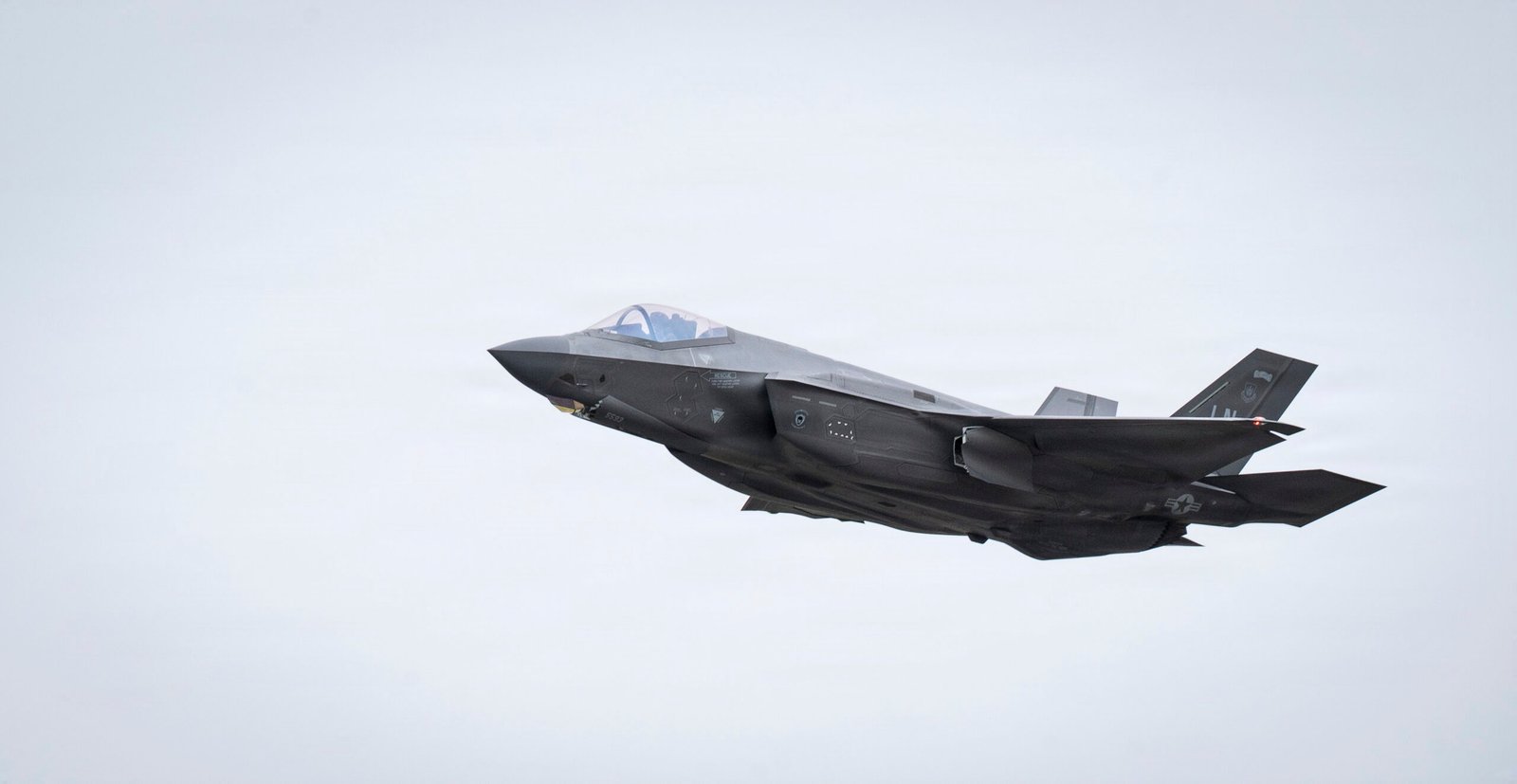
UK F-35 Fighter Program Faces Delays as Key Capabilities Slip Into the 2030s
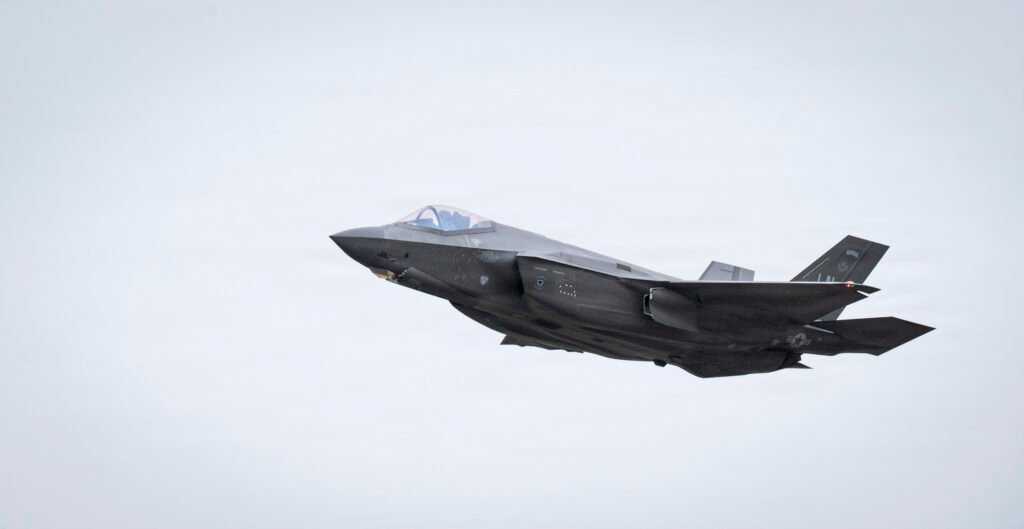
UK F-35 Program Faces Serious Challenges, Audit Finds
A new report from the UK National Audit Office (NAO) has found that the UK F-35 Program is facing significant challenges, with aircraft availability, personnel shortages, infrastructure delays, and rising costs preventing the Ministry of Defence (MoD) from delivering the combat capability originally planned.
The audit concludes that while the UK F-35 Program remains central to Britain’s future airpower strategy, the capability delivered so far falls well below expectations outlined in the MoD’s original business case. According to the NAO, approximately £11 billion has already been invested in the program, yet the watchdog says it has produced “a disappointing return so far compared with MoD plans.”
UK F-35 Program Faces Readiness Challenges
One of the report’s most significant findings concerns aircraft readiness.
The NAO found that during 2024 the UK’s F-35 fleet achieved a full mission capable rate of only around one-third of the Ministry of Defence’s target, while the broader mission capable rate reached only about half of the expected level.
According to the report, these shortfalls are largely the result of shortages of qualified F-35 maintenance personnel, delays in supporting infrastructure, and an ongoing global shortage of spare parts affecting the international F-35 enterprise.
Lower aircraft availability has also reduced pilot flying hours, limiting training opportunities and affecting operational readiness. The NAO noted that the UK’s availability targets are already lower than the overall targets established for the global F-35 program.
Costs Continue to Rise
The report also raises concerns about the long-term affordability of the UK F-35 Program.
While the aircraft itself is regarded as a major leap forward in combat capability, the overall program has become significantly more expensive than originally expected. Rising sustainment costs, delayed infrastructure projects, and ongoing modernization requirements have all increased the financial burden on the Ministry of Defence.
The NAO concluded that unless these issues are addressed, the UK may continue to receive less operational capability than originally planned despite the substantial investment already made.
Delays Push Key Capabilities Into the 2030s
The audit highlights continued delays affecting several major upgrades to the global F-35 program.
Technology Refresh 3 (TR-3), the Block 4 modernization package, and integration of advanced UK weapons such as the Meteor beyond-visual-range air-to-air missile and SPEAR 3 precision strike weapon have all slipped into the early 2030s.
These delays postpone important combat capabilities that were originally expected to become available much sooner, reducing the pace at which the Royal Air Force can fully exploit the aircraft’s advanced capabilities.
The UK Remains Committed to the F-35
Despite these challenges, the UK government continues to view the UK F-35 Program as a cornerstone of future national defense.
The United Kingdom has committed to acquiring 138 F-35 Lightning II aircraft over the life of the program.
According to the NAO, 48 aircraft are currently on contract, while 38 have been delivered, leaving 37 operational aircraft after one F-35B was lost during operations in 2021.
However, the report notes that there is currently no approved timetable for purchasing the remaining aircraft required to complete the planned fleet.
The F-35 continues to play a critical role in supporting both Royal Air Force and Royal Navy operations, particularly from the Royal Navy’s Queen Elizabeth-class aircraft carriers.
Why This Report Matters
Importantly, the NAO does not question the combat capability of the F-35 itself.
Instead, the watchdog concludes that the Ministry of Defence must improve program management, increase aircraft availability, address personnel shortages, and accelerate supporting infrastructure if it wants the UK F-35 Program to deliver the operational capability originally promised.
For Britain’s armed forces, improving readiness over the coming years will be essential as geopolitical tensions continue to increase and the demand for fifth-generation combat aircraft grows across NATO.
Key Takeaways
- The UK F-35 Program is delivering less capability than originally planned, according to the National Audit Office.
- Approximately £11 billion has been invested in the program so far.
- Aircraft readiness remains significantly below Ministry of Defence targets.
- Personnel shortages, infrastructure delays, and spare parts shortages continue to affect fleet availability.
- Block 4 modernization, Technology Refresh 3 (TR-3), Meteor, and SPEAR 3 integration have all slipped into the early 2030s.
- The UK remains committed to purchasing 138 F-35 aircraft, although no approved timetable exists for acquiring the remainder of the fleet.
Sources
- UK National Audit Office – The UK’s F-35 Capability.
- UK National Audit Office Press Release – MoD must address deficiencies in F-35 fighter jet programme to strengthen the UK’s warfighting capability.



One Comment