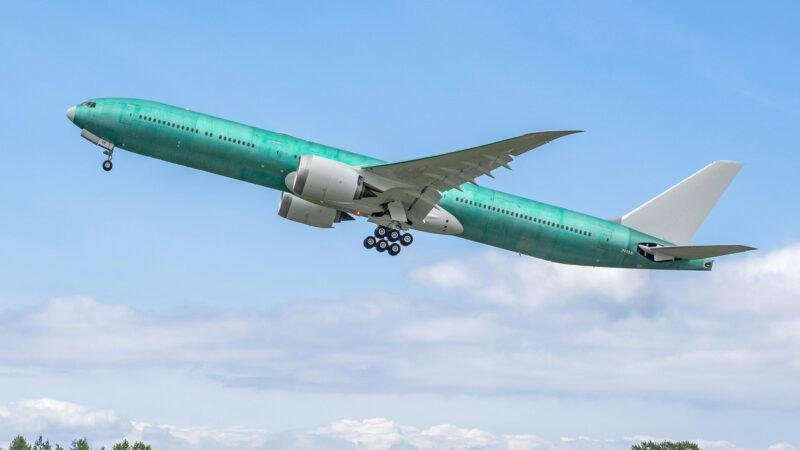
Lufthansa is preparing to reject some of the earliest Boeing 777-9 aircraft built for the German carrier, as years of delays in the 777X program leave Boeing and its customers weighing difficult decisions over airframes manufactured long before certification and entry into service. Lufthansa CEO Carsten Spohr confirmed the airline is in discussions with Boeing over the future of several early-production 777-9s, with some aircraft potentially rejected outright and others modernized before Lufthansa agrees to accept them.
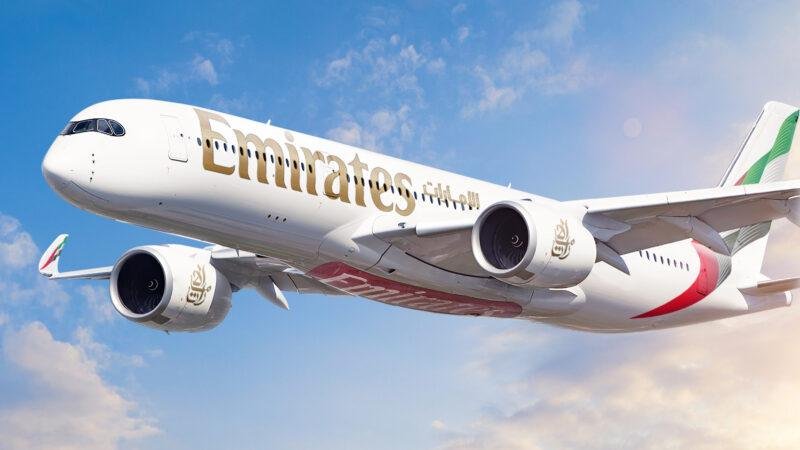
The move echoes a similar, more definitive decision by Emirates, which has said it will not take delivery of roughly 10 to 11 of the oldest 777-9s originally produced for its fleet. This story updates our earlier report on Lufthansa’s early-build 777-9 review with confirmation of the airline’s decision.
Table of Contents
Lufthansa Prepares to Reject Early Boeing 777-9 Jets
Lufthansa’s position on the Boeing 777-9 is more nuanced than a blanket refusal. The airline remains committed to introducing the aircraft into its long-haul fleet, but it is evaluating which of the earliest-built airframes actually make sense to accept in their current condition.
Speaking on the matter, Spohr said Lufthansa and Boeing are working through which airplanes the airline will decline for commercial service and which could instead be modernized, with Boeing contributing financially to the rework.
Years of Delays Created an Unusual Problem
The Boeing 777X program was originally expected to enter commercial service years ago. The first 777-9 flight-test aircraft flew in January 2020, and launch customers had planned to start receiving the new widebody around that time.
Instead, certification hurdles, engineering changes and repeated schedule slips have pushed entry into service well past those original projections. Boeing is now targeting the first 777-9 delivery in 2027 — meaning some customer aircraft were physically assembled years before the final certified configuration was even locked in.
As the design and certification effort evolved, those early airframes accumulated modification and rework requirements to bring them up to the latest production standard. For airlines expecting a newly built flagship jet with decades of service life ahead of it, accepting an airframe that has already spent years parked on the ground raises real technical and commercial questions.
- First 777-9 flight test: January 2020
- Boeing’s current target for first delivery: 2027
- Early-build aircraft require rework to match the certified configuration
An aircraft built years ahead of its own certification standard becomes a moving target — every design change made afterward is a change that airframe never received.
Lufthansa Is Negotiating With Boeing
Newer-production 777-9s remain firmly part of Lufthansa’s fleet plans. In May 2026, Boeing announced that Lufthansa’s first newly produced 777-9 had completed its first flight — and unlike the dedicated flight-test aircraft used during development, this airplane was already fitted out with Lufthansa’s passenger cabin.
That distinction matters: Lufthansa isn’t walking away from the 777X, it’s drawing a line between the early, pre-standard airframes and the aircraft now coming off the line closer to the configuration it originally ordered.
Emirates Has Gone Further
Emirates, the world’s largest 777X customer, has taken a tougher stance toward its oldest aircraft. Emirates President Tim Clark said during the 2026 Farnborough International Airshow that the airline would not accept roughly the first 10 to 11 777-9s built for its fleet, since those aircraft were manufactured years earlier and would need significant rework before delivery.
Despite rejecting those early airframes, Emirates remains heavily invested in the 777X program and still expects to eventually operate a large fleet of the new widebody. Neither Emirates’ nor Lufthansa’s decision represents a rejection of the 777X itself — instead, both highlight a unique consequence of a certification program that has stretched far beyond its original schedule.
What Happens to the Rejected 777-9s?
The fate of the aircraft turned away by their original customers is one of the more interesting open questions surrounding the 777X program. Boeing could potentially modify and remarket some of the airframes, repurpose others, or determine that bringing certain jets fully up to the latest production standard simply isn’t commercially worthwhile.
The situation illustrates why lengthy certification delays create problems that go beyond pushed-back delivery dates. An aircraft can physically exist on the ramp while the design around it keeps evolving, and every significant change introduced during certification can add fresh rework to airplanes already sitting in storage.
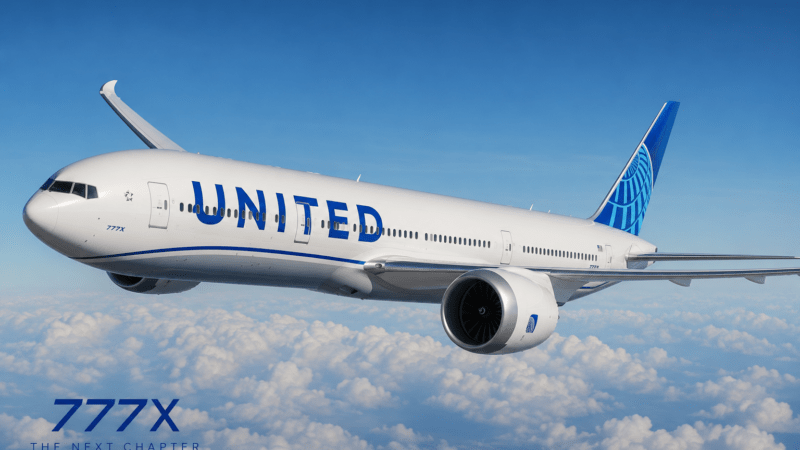
For Boeing, Lufthansa and Emirates alike, the question is no longer simply when the 777-9 will be certified — it’s which of the airframes built during the program’s long development period are still economically worth delivering at all. Remarketing is not purely hypothetical, either: United Airlines has reportedly been evaluating roughly 20 early-build 777-9s that Emirates declined, suggesting Boeing may find buyers for at least some of the rejected airframes.
The 777X Program Continues
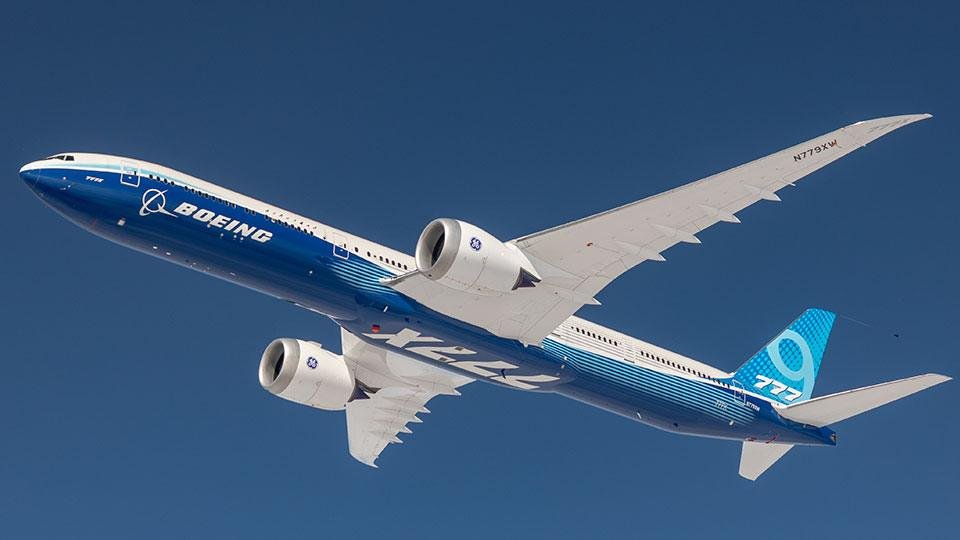
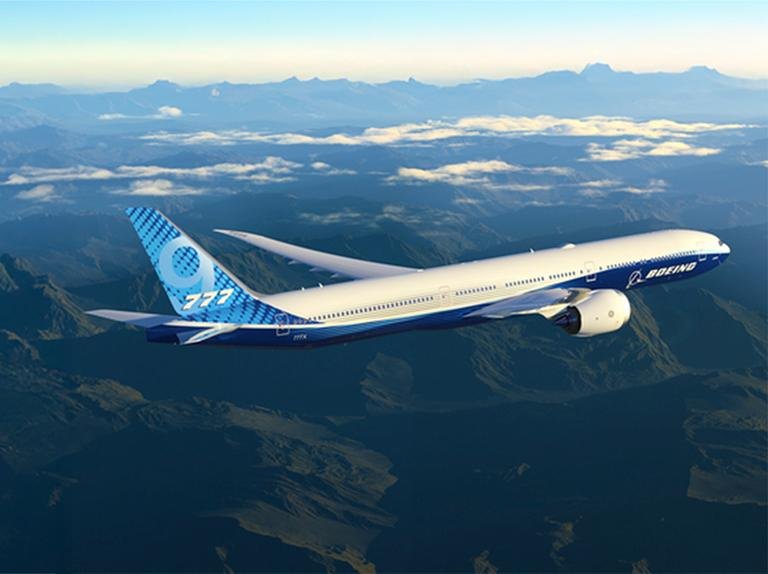
Boeing continues certification work on the 777-9 and maintains that customer demand for the aircraft remains strong. The 777-9 is the largest member of the new 777X family, combining a redesigned composite wing with folding wingtips, GE Aerospace GE9X engines, and a wider passenger cabin built on Boeing’s established 777 platform.
Boeing currently expects the first customer delivery in 2027. When that finally happens, some of the earliest 777-9s built for the program will have spent the better part of a decade waiting for the aircraft they were assembled for to enter commercial service.
FAQ: Boeing 777-9 Delivery Delays
Why is Lufthansa rejecting some Boeing 777-9 aircraft?
Some of the earliest 777-9s were built years before the 777X’s certified configuration was finalized. Lufthansa is deciding which of those airframes to decline for commercial service and which to accept after modernization work funded in part by Boeing.
How many 777-9s is Emirates refusing to accept?
Emirates has said it will not take delivery of roughly 10 to 11 of the oldest 777-9s built for its fleet, though the airline remains committed to the 777X program overall.
When will Boeing deliver the first 777-9?
Boeing currently targets the first customer delivery of the 777-9 in 2027, more than seven years after the type’s first flight-test flight in January 2020.
Looking Ahead
Lufthansa and Emirates rejecting early-build jets doesn’t signal trouble for the 777X itself — it reflects how an unusually long certification process can leave completed airframes stranded behind the design’s own progress. As Boeing works toward first delivery in 2027, how it resolves the fate of these early aircraft will be worth watching closely.
The Aviation Diary will continue covering developments in the Boeing 777X program, Lufthansa’s long-haul fleet plans, and other major commercial aviation stories.
Source
For additional information about this story:
- Aviation Week: Lufthansa Plans To Reject Early-Built 777-9s
- Aviation Week: Clark — Emirates Will Not Take Initial Batch Of 777-9s
- Aviation Week: Emirates Plans To Reject Early-Build Boeing 777-9s
- The Aviation Diary — Lufthansa Boeing 777-9: Why Airline Is Rejecting Early Jets (original report)