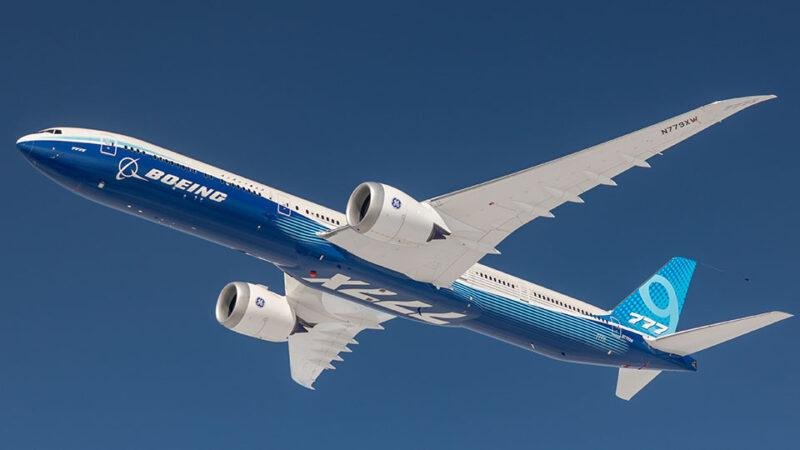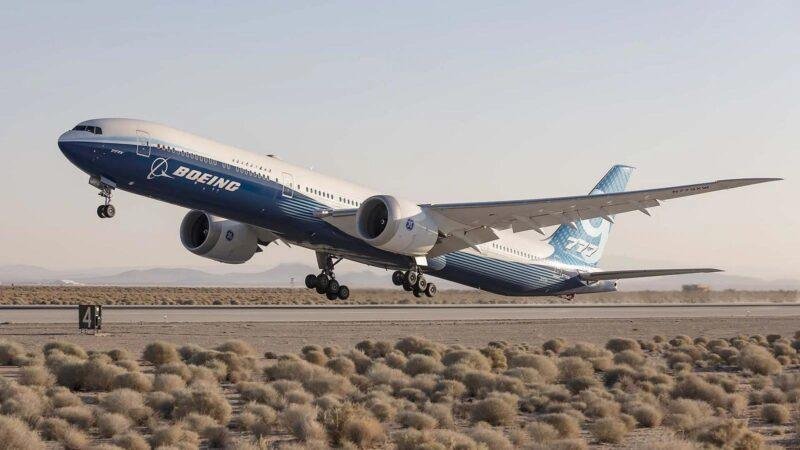
Lufthansa Boeing 777-9 deliveries are facing a new wrinkle after the airline confirmed it is negotiating with Boeing over whether to accept some of the earliest-built aircraft. The discussions come after Emirates announced it would reject several early production jets, citing concerns over their age and the extensive modifications required before entering commercial service.
Update: Lufthansa has since confirmed which early-build aircraft it will decline. Read our full coverage: Lufthansa Plans to Reject Some Early-Build Boeing 777-9s Amid Years of Program Delays.
The negotiations do not mean Lufthansa is canceling its Boeing 777-9 order. Instead, they focus on a small number of aircraft built years before the program’s expected certification.
Table of Contents
Lufthansa Boeing 777-9: Why the Airline Is Reviewing Early Aircraft
The Boeing 777-9, the largest member of the Boeing 777X family, was originally expected to enter service around 2020. However, certification delays and additional regulatory requirements pushed deliveries back by several years.
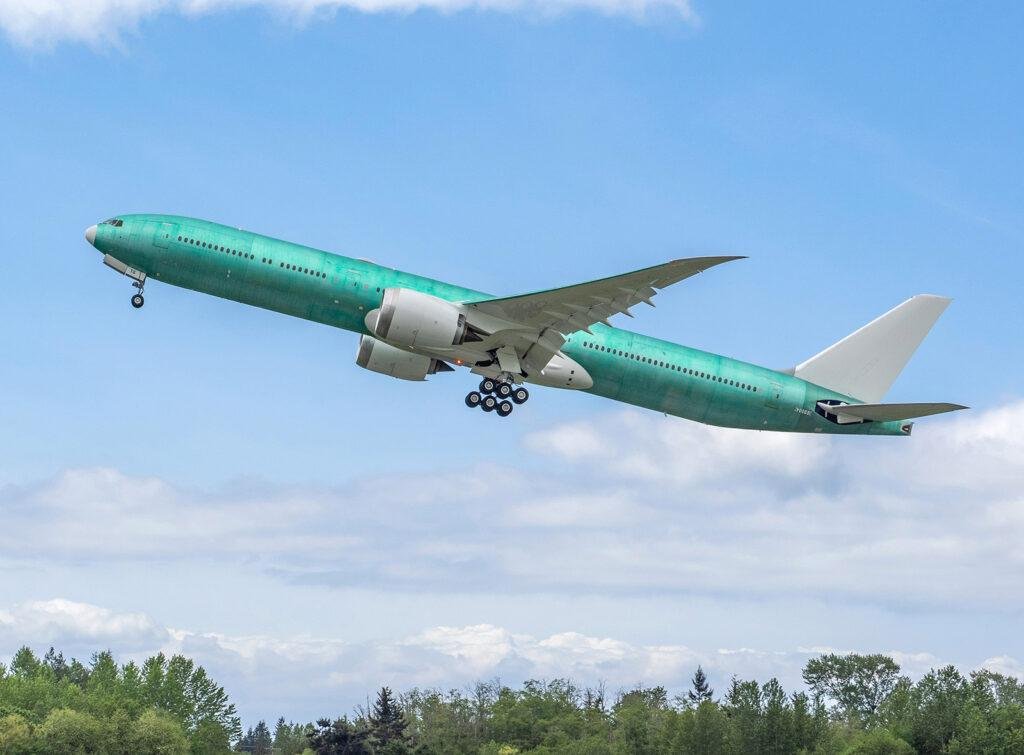
During that time, Boeing continued producing aircraft that have remained parked at its Everett, Washington, facility while engineers incorporated design improvements, software updates, and manufacturing changes required during the certification process.
Lufthansa CEO Carsten Spohr recently confirmed that the airline is discussing which early-built aircraft it may decline and which could still be accepted after Boeing completes the necessary modifications. The airline remains committed to introducing the Boeing 777-9 into its long-haul fleet once deliveries begin.
Lufthansa says it is working with Boeing to determine which early-production 777-9 aircraft it will accept and which it will decline, pending modernization work and financial concessions.
Emirates Already Rejected Early Boeing 777-9 Aircraft
Lufthansa is not the first airline to raise concerns.
Earlier this year, Emirates President Sir Tim Clark said the airline would not accept the first 10 Boeing 777-9 aircraft originally allocated to Emirates.
According to Clark, those aircraft would already be several years old by the time they were ready for delivery and would require significant retrofit work before entering service. Emirates instead wants aircraft built closer to the final certified production standard.
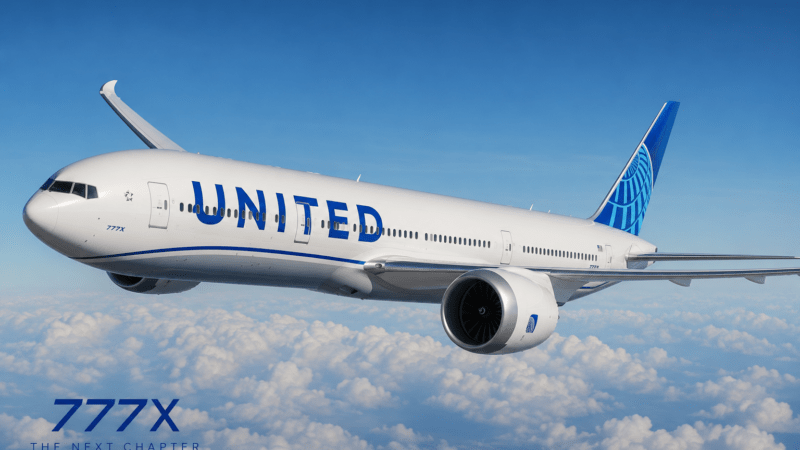
Lufthansa’s negotiations suggest other launch customers share similar concerns about accepting aircraft manufactured long before certification is complete — and Lufthansa and Emirates may not be the only ones stepping back. United Airlines has reportedly been evaluating roughly 20 of the early-build jets Emirates walked away from.
Why Early-Built Boeing 777-9 Aircraft Are Different
Although the aircraft have never entered airline service, some of the earliest Boeing 777-9 airframes have been in storage since 2019.
Throughout the certification process, Boeing has implemented numerous engineering updates, software improvements, manufacturing changes, and regulatory modifications. Every early-built aircraft must therefore undergo extensive retrofit work before it can be delivered.
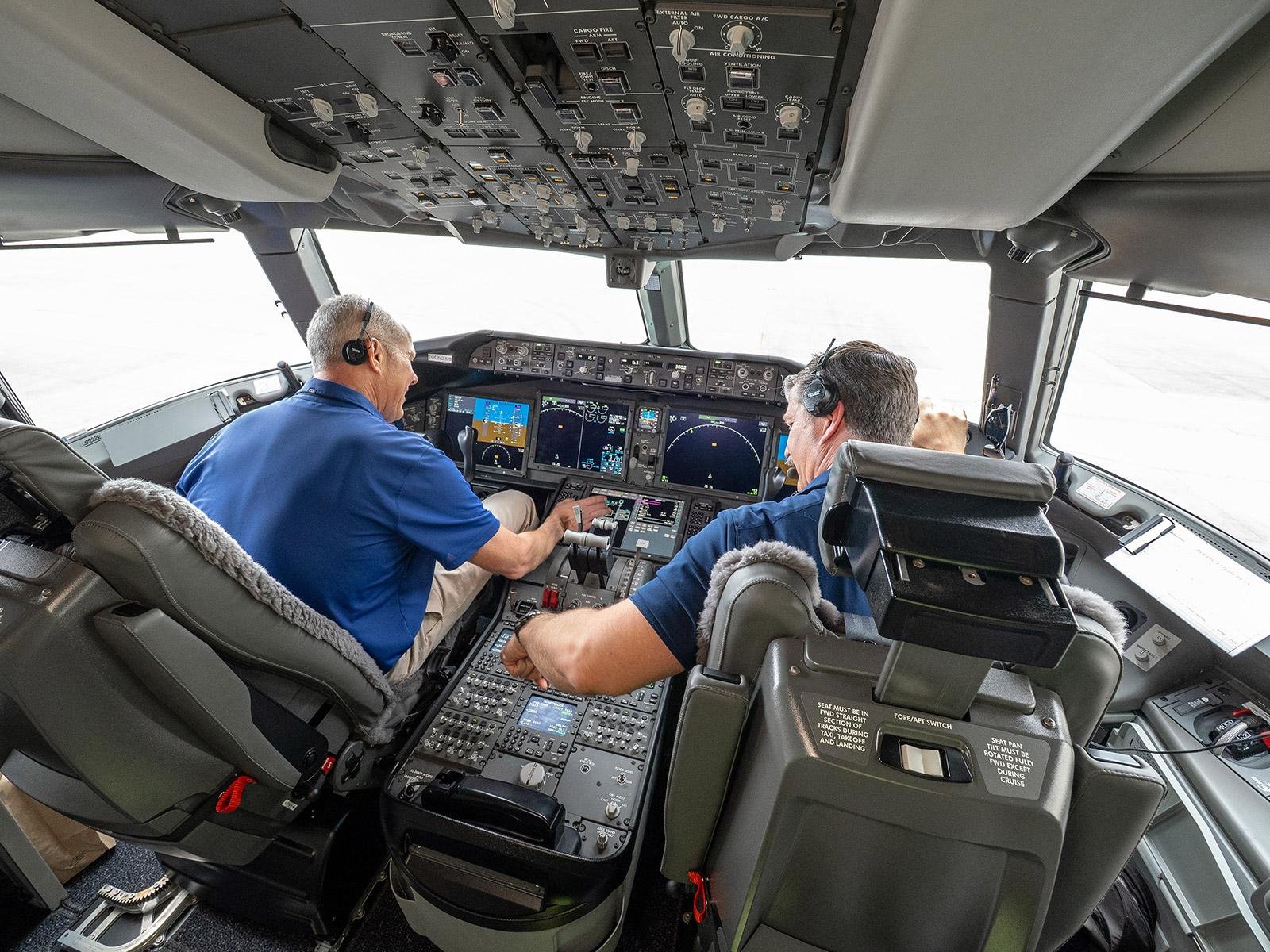
For airlines investing hundreds of millions of dollars in new widebody aircraft, receiving an airplane that has already spent years in storage may reduce long-term asset value compared to receiving a newly manufactured aircraft built to the latest production standard.
Importantly, this is considered a commercial and operational issue rather than a safety concern.
What This Means for Boeing
The discussions with Lufthansa and Emirates create another challenge for Boeing as it works toward certification of the Boeing 777-9. The manufacturer now has several possible options:
- Upgrade the earliest aircraft to the latest production standard
- Deliver the aircraft after completing extensive retrofit work
- Sell some aircraft to other customers willing to accept them
- Use certain airframes for testing or training if upgrades prove uneconomical
Boeing has previously acknowledged that dedicated teams are working to bring early-built aircraft into compliance with the final certified configuration.
Boeing 777-9 Program Continues Toward Entry Into Service
Despite the negotiations, Lufthansa is still expected to become the launch customer for the Boeing 777-9 once certification is complete. The discussions involve only specific early-built aircraft and should not be interpreted as a rejection of the Boeing 777-9 program itself.
For Boeing, however, the situation highlights the long-term consequences of certification delays. Aircraft originally intended for delivery years ago are now approaching a decade in age before entering commercial service, forcing both Boeing and its customers to balance retrofit costs with long-term fleet value.
FAQ: Boeing 777-9 Early Aircraft
Why is Lufthansa Boeing 777-9 delivery under review?
Those airframes were built years before certification and have sat in storage while Boeing made engineering, software, and manufacturing changes. Airlines want jets built to the latest, fully certified production standard instead of older units requiring extensive retrofits.
Is this a safety issue with the Boeing 777-9?
No. Airlines and Boeing describe this as a commercial and operational matter tied to asset value and retrofit costs, not a safety or airworthiness concern.
Does this affect Lufthansa’s overall Boeing 777-9 order?
No. Lufthansa remains committed to the program and is still expected to be the launch customer. The negotiations concern only a small number of the earliest-built aircraft.
Looking Ahead
The Lufthansa Boeing 777-9 negotiations, alongside Emirates’ rejection of early jets, show that launch customers are increasingly unwilling to absorb the cost of years-old airframes. How Boeing resolves the early-build aircraft will shape both the program’s delivery timeline and its relationship with its earliest customers.
The Aviation Diary will continue covering developments involving the Boeing 777X program, Lufthansa, Emirates, and other major commercial aviation stories.
Sources
For additional information about this story:
- Boeing 777X Program
- Aviation Week — Boeing 777X Coverage
- The Aviation Diary — Lufthansa Plans to Reject Some Early-Build Boeing 777-9s Amid Years of Program Delays